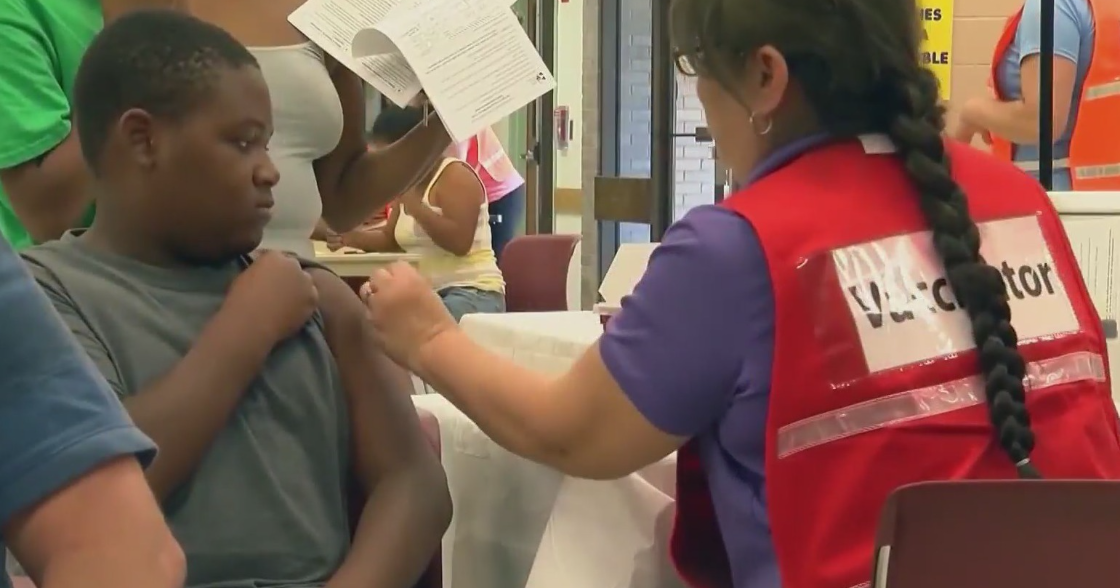
A surge in influenza cases in North Texas, driven by a new Subclade K variant nicknamed the "Super Flu," has sharply increased pediatric presentations—Children's Health recorded 673 cases the week of Dec. 14 (a 175% week‑over‑week rise) and 1,090 the week of Dec. 21 (a 63% rise), with Dallas County positivity at 12.8%. The CDC estimates about 7.5 million flu illnesses, 81,000 hospitalizations and 3,100 deaths nationally (including eight children) and reports 280 pediatric deaths in the 2024–25 season with 89% unvaccinated; clinicians warn the mutation may reduce vaccine effectiveness though current antivirals remain effective, straining pediatric ICUs and raising public‑health concerns.
Market structure: Rapid diagnostic manufacturers, reference labs and hospital acute-care providers are the immediate beneficiaries as testing and inpatient volumes surge; expect 10–30% near-term revenue bumps for exposed players if weekly ILI positivity stays above current 12% local levels. Vaccine manufacturers face mixed outcomes — reduced vaccine efficacy can compress upsell pricing power this season but may increase booster marketing spend; antivirals/providers with approved treatments gain negotiating leverage for replenishing inventories.
Risk assessment: Tail risks include antiviral resistance (low probability, high impact), supply-chain bottlenecks for test kits and reagents, and localized school/workplace closures causing a 0.1–0.3% GDP impulse if sustained >4 weeks. Immediate moves matter (days–weeks) for test-kit and hospital volumes, while vaccine/antiviral revenue and insurer loss trends play out over months; regulatory catalysts (FDA/CDC advisories within 7–30 days) can sharply re‑rate names.
Trade implications: Favor long exposure to rapid-diagnostics (QDEL) and diagnostic equipment (HOLX) and labs (LH) for 1–3 month plays; use 1–3 month call spreads to limit cash and vega exposure. Hedge macro risk by increasing 2–5y Treasury exposure by 3–5% and run a pair trade long diagnostics vs short travel (JETS) to capture relative flow.
Contrarian angles: Consensus may under-price structural uplift in routine respiratory testing — if weekly CDC ILI remains elevated >2 weeks, diagnostic demand normalizes higher Y/Y. Conversely, vaccine makers (SNY/GSK) could be oversold; consider selective 6–12 month recovery buys if shares drop >15% absent fundamental revisions.
AI-powered research, real-time alerts, and portfolio analytics for institutional investors.
Request DemoOverall Sentiment
moderately negative
Sentiment Score
-0.40
