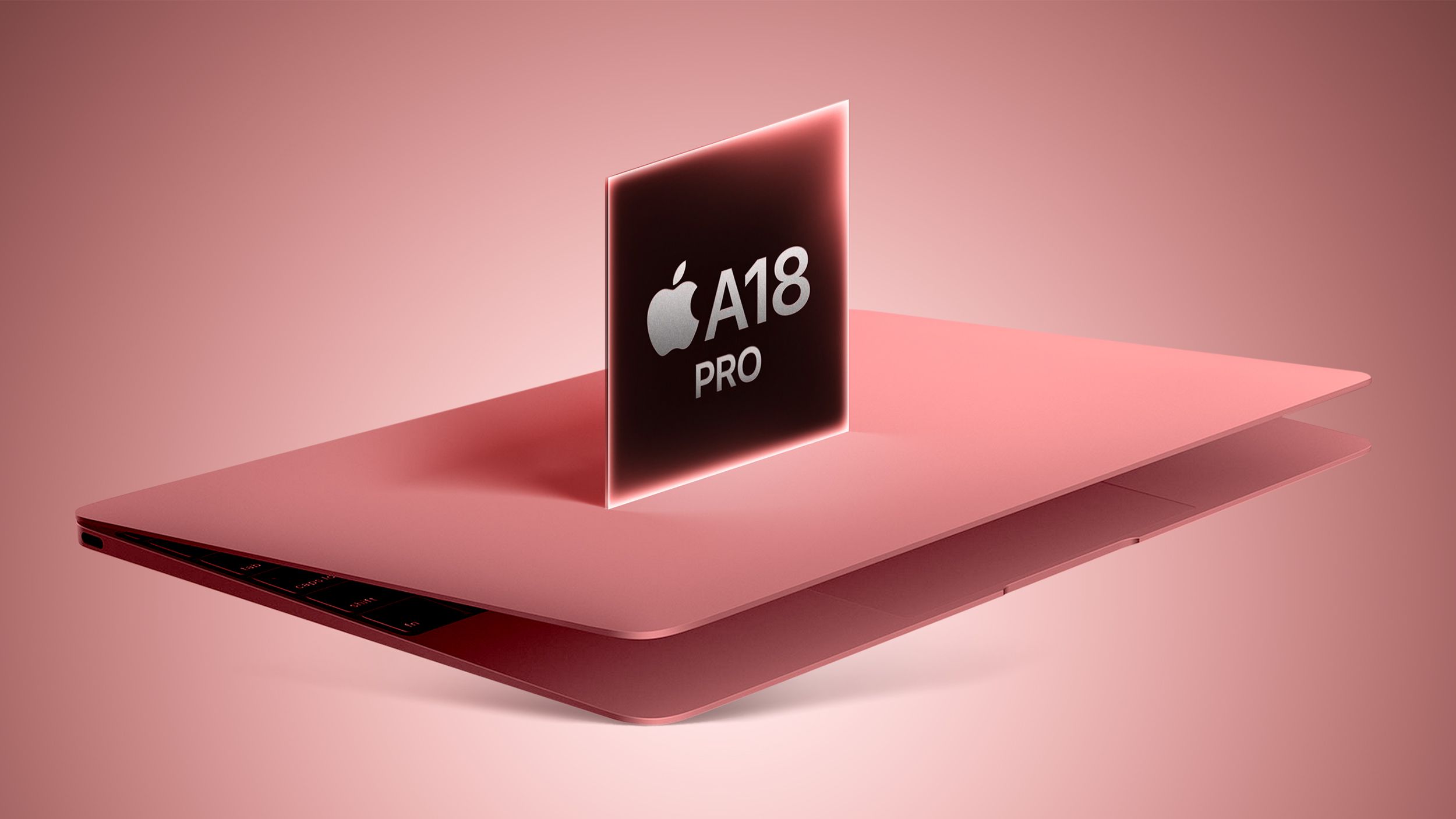
Apple will unveil an entry-level MacBook in March with volume shipments slated to begin next month and mass production shifted from late 2025 to Q1 2026, with Quanta as the primary assembler and Foxconn joining later. Rising component costs—particularly DRAM and NAND—may force the price above early $599 estimates to $699–$799 (with a $100 education discount), while the device will use an A18 Pro chip, likely 8GB RAM, a 12.9-inch display and standard USB-C, signaling a lower-spec, cost-sensitive model that has implications for Apple’s margin, competitive positioning in the low-end laptop market, and supply-chain cost pressures.
Market structure: Apple (AAPL) can expand unit share at the entry laptop tier by pricing this MacBook around $699–$799 (vs prior $599 target), which preserves ASP and limits cannibalization of MacBook Air. Primary winners: Apple, assemblers (Quanta; later Foxconn), and memory suppliers if DRAM/NAND stay elevated; losers: low‑end Chromebook/Windows OEMs and marginal Intel (INTC) consumer CPU share. Expect modest near‑term margin pressure per unit from higher memory costs but offset by volume and a $100 education discount that keeps effective price competitive for students.
Risk assessment: Near‑term tail risks include a supply delay (mass production slipping past Q1 2026) or a sudden soft review cycle on March 4 that dents demand — probability low but impact high. Time horizons: immediate (days around March 4 for sentiment/IV moves), short (weeks for sell‑through and channel checks), long (quarters for unit growth, margin normalization). Hidden dependency: A18 Pro allocation vs iPhone 16 Pro could constrain initial laptop supply; DRAM/NAND price trajectory is the key second‑order margin driver. Catalysts: hands‑on reviews March 4, shipment confirmations in March–April, DRAM/NAND spot price prints in next 2–6 weeks.
Trade implications: Tactical: event‑driven upside for AAPL but muted by press‑release format; implied volatility likely compressed so prefer defined‑risk option spreads. Structural: memory names should outperform if component tightness persists — trade horizon 3–6 months. Size positions to reflect execution risk (small, concentrated stakes around the event).
Contrarian angles: Consensus underestimates the long‑term monetization from expanding the Mac install base (services/Accessories) — a $100 education discount on a sub‑$800 device could add recurring revenue over 12–24 months. Conversely, the market may overstate the hit to Intel; consumer CPU volumes are a small part of INTC’s revenue mix, making a short only attractive as a pairs trade or sector reallocation. Watch for unintended cannibalization of higher‑margin Macs if Apple pushes aggressive promo intensity into H2 2026.
AI-powered research, real-time alerts, and portfolio analytics for institutional investors.
Request DemoOverall Sentiment
mixed
Sentiment Score
0.00
Ticker Sentiment
