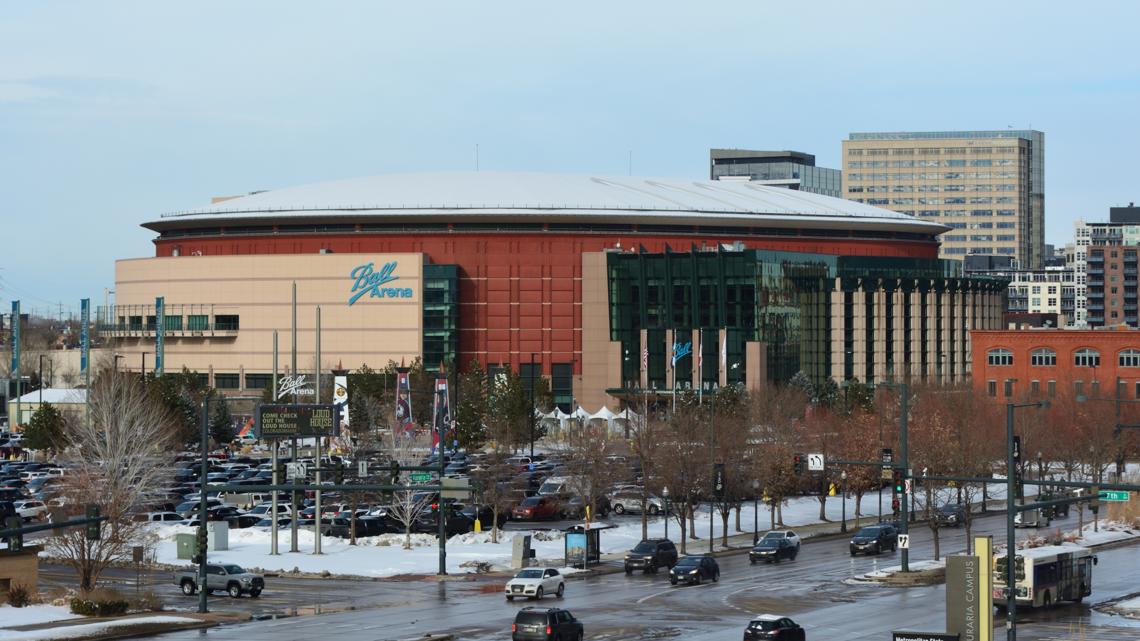
The Boring Co. picked Baltimore, Dallas and New Orleans as winners of its Tunnel Vision contest (chosen from 16 finalists) and said it will begin due diligence to build the tunnels — projects it had pledged to complete for free. The company also said it is pursuing potential work in Hendersonville, TN and San Antonio, TX; a proposed Denver Ball Arena tunnel was not selected.
The immediate market implication is not a wave of incremental tunneling demand but a high-optional-value signal: private capital and engineering boutiques can win discrete, high-visibility pilot work that may cascade into adjacent municipal RFPs. That means public engineering contractors and heavy-equipment suppliers get optionality exposure rather than durable, booked-revenue growth — imagine a few multi-year pilot programs that each represent <1-2% of a large contractor’s backlog but create outsized follow-on bid activity if pilots clear permitting.
Second-order effects are concentrated in supplier cadence and permitting risk. TBM and specialty tunneling suppliers (and their OEM partners) face lumpy order books: one or two confirmed projects can move capacity utilization from under 50% to 60-75% over 12–36 months, which would pull forward margin expansion for equipment OEMs but leave consumables and subcontractors exposed to stop/start procurement cycles.
Key tail risks are regulatory/legal delays, hydrogeology surprises, and the sponsor’s funding/attention shifting — any of which can flip optionality to headline downside and erase realized upside within 6–24 months. Near-term catalysts to watch are formal due-diligence updates (3–6 months), municipal permitting milestones (6–24 months), and TBM procurement notices (12–36 months).
Consensus is likely to overstate near-term industrial demand and underweight the political/permitting execution risk. That makes targeted, time-boxed exposure (call spreads or small, concentrated equity positions) the efficient way to capture upside while limiting drawdown if pilots stall.
AI-powered research, real-time alerts, and portfolio analytics for institutional investors.
Overall Sentiment
neutral
Sentiment Score
0.00
