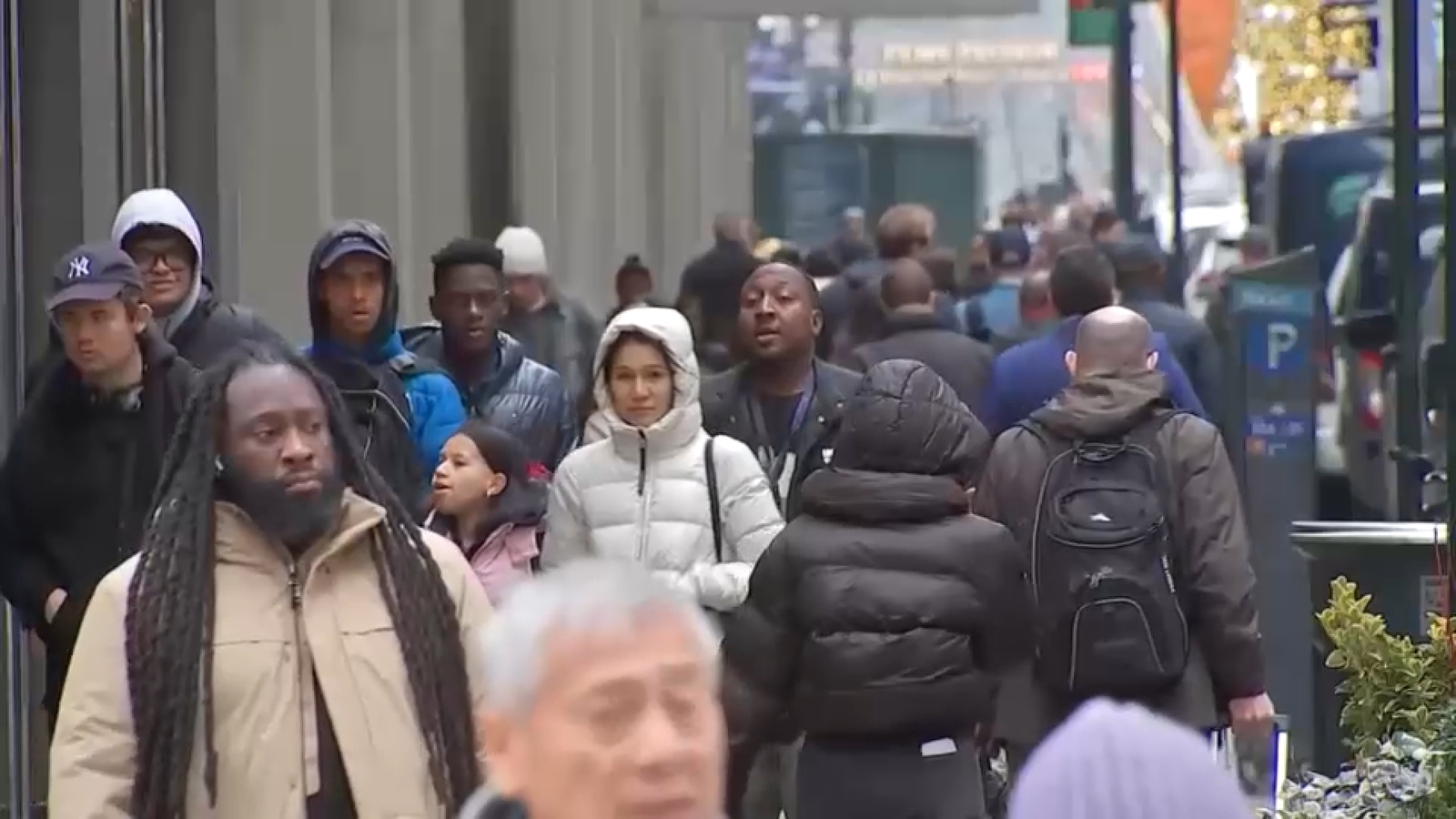
Emerging influenza subclade K, driving higher illness rates in the U.K. and Japan, is expected to reach the Tri-State area amid reduced vaccine participation and a summer-developed vaccine that may be mismatched, raising concerns about diminished vaccine effectiveness. CDC data show norovirus test positivity at 14%—double the rate from three months ago and approaching last December's 25% peak—indicating a likely near-term rise in sickness that could strain healthcare services and workforce availability.
Market structure: Short-term winners are diagnostics and hygiene plays (QuidelOrtho QDEL, Clorox CLX, Procter & Gamble PG, CVS CVS) as norovirus test positivity rose to 14% (vs ~7% three months ago) and flu subclade K creates a vaccine mismatch. Vaccine incumbents (Pfizer PFE, Moderna MRNA, Sanofi SNY, GSK GSK) face mixed outcomes — near-term demand may fall if perceived efficacy drops, but firms with rapid mRNA/update capability (MRNA, PFE) gain option value for an out-of-cycle reformulation. Supply is rigid for seasonally produced flu shots (manufacturing lead times ~3–6 months), so expect local shortages for updated doses and a temporary pricing/ procurement leverage for nimble suppliers.
Risk assessment: Tail risk is a high-severity winter wave causing hospital-capacity constraints and a policy response (school closures, travel advisories) that would knock 1–2% off short-term consumer discretionary revenue in affected metros; probability low-moderate (10–20%). Immediate (days) effects: absenteeism and localized demand spikes for OTC meds/tests; short-term (weeks–months): elevated test volumes, antiviral scripts, and potential FDA engagement on updated vaccines; long-term (quarters) implications hinge on strain incorporation into next season’s vaccine composition. Hidden dependency: public confidence (vaccination uptake) — a 5–10 percentage-point drop materially shifts demand from preventative vaccines to therapeutics/diagnostics.
Trade implications: Establish 1.5–3% long positions in QDEL (diagnostics) and 1–2% in CLX or XLP as defensive consumer staples for 1–3 months ahead of peak season; buy 3–6 month QDEL call spreads (e.g., buy 1.5x notional ATM, sell higher strike) to control cost if test volumes rise >15% month-over-month. Pair trade: long QDEL, short airline ETF JETS (0.5–1% allocation) for 1–8 week tactical window anticipating travel disruption; alternatively buy 2–3% protective puts on UAL or AAL with 1–2 month expiry if case counts accelerate. De-risk: trim 1–2% weights in leisure/restaurants (MCD exposure neutralize) and rotate into healthcare services (UNH +1%) and retail pharmacies (CVS +1%).
Contrarian angles: Market may overprice vaccine beneficiaries — consensus assumes updated-vaccine orders automatically boost PFE/MRNA revenue, but if uptake falls <60% this winter incremental revenue could be <20% of forecasts; the undervalued play is diagnostics (QDEL) and retail pharmacies (CVS) with direct transaction flow. Historical parallel: 2017–18 severe season produced outsized diagnostic and OTC demand for 2–3 quarters without sustained vaccine-maker windfalls. Unintended consequence: heightened sanitation reduces other seasonal illnesses, potentially reducing repeat-test volumes after 8–12 weeks — plan exits at that horizon or when weekly norovirus positivity <8%.
AI-powered research, real-time alerts, and portfolio analytics for institutional investors.
Request DemoOverall Sentiment
mildly negative
Sentiment Score
-0.25
