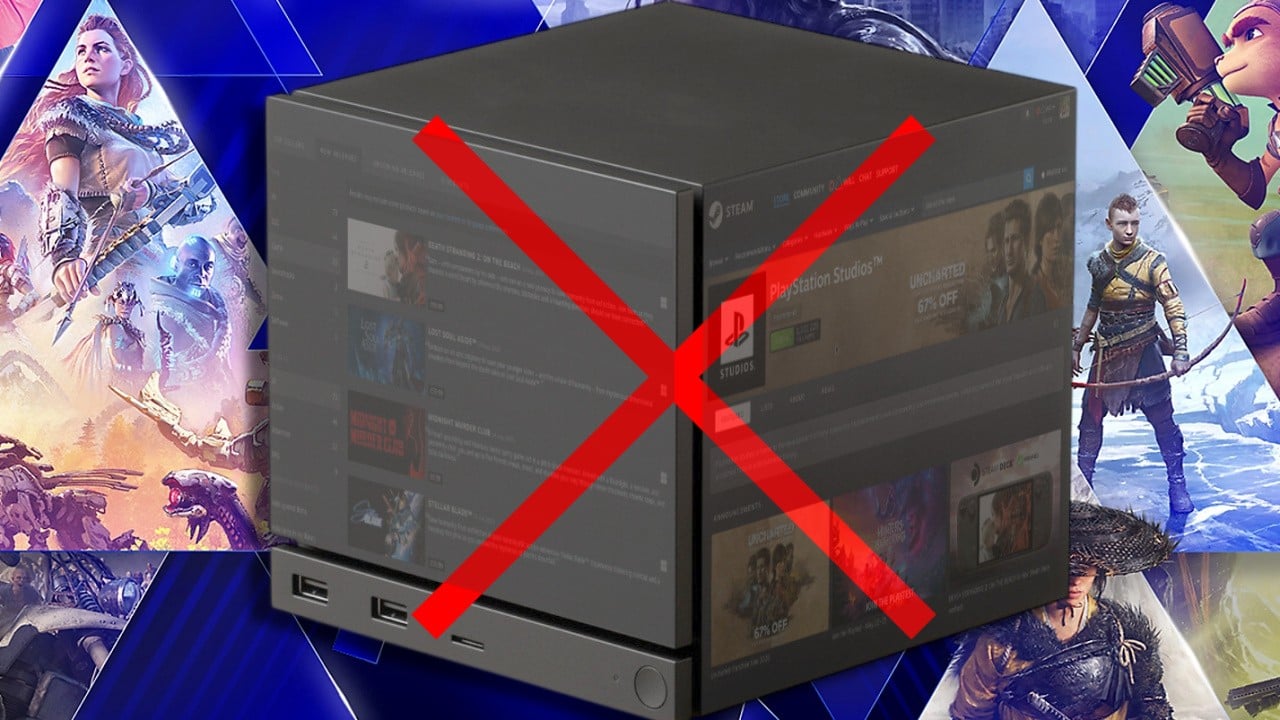
Sony is reportedly ending PC ports for new single-player PlayStation games, while continuing to release multiplayer titles on PC. The move would make future tentpoles like Ghost of Yotei PC-exclusives, reversing a six-year run that produced 14 major PC releases across Horizon, The Last of Us, Spider-Man, God of War and others. The article frames the decision as negative for PC gamers and porting studios like Nixxes and Iron Galaxy, but likely supportive of Sony's console exclusivity strategy.
Sony is effectively re-optimizing its content stack for scarcity economics. The market is underestimating how much of Sony’s premium console proposition now depends on keeping first-party narrative titles as true exclusives, especially as hardware BOM inflation from memory components compresses the upgrade funnel. In that context, the move is less about punishing PC and more about defending attach rates and pricing power on the next console cycle; that should be mildly supportive for SONY’s gaming margin mix over 12-24 months if it preserves willingness to pay for PS5 Pro/PS6.
The second-order loser is not just PC gamers, but the external ecosystem built around high-end PlayStation ports. Nixxes, Iron Galaxy, and adjacent QA/optimization vendors lose recurring, high-budget work, which can ripple into lower utilization and more aggressive pricing across the porting niche. That matters because the last several Sony PC releases also acted as de facto technical benchmarks for Windows gaming; removing that supply of polished ports reduces a quality signal for the PC ecosystem, but also removes a cost center for Sony that had become increasingly hard to justify if PC monetization was arriving late and with discounting pressure.
For MSFT, the impact is subtle but real: if Xbox’s next-gen strategy leans further into a PC-hybrid identity, Sony’s decision weakens the prospective content breadth available on that hardware class. That said, this is not an immediate earnings catalyst; it is a strategic framing issue that compounds over years, not days. The biggest reversal risk is if Sony’s exclusivity strategy starts to show up as slower software monetization or weaker ecosystem engagement on the back half of the PS6 cycle, at which point management could quietly reintroduce timed PC releases rather than abandon them entirely.
The contrarian take is that consensus is probably overstating the anti-consumer optics and underestimating how rational this is as a brand-defense move. Sony may be sacrificing a low-conviction PC revenue stream to preserve a much more important structural asset: the perception that its hardware is the only place to play marquee single-player titles at launch. If that perception sticks, the decision is marginally bullish for SONY’s medium-term console economics, even if it is negative for PC revenue optionality and third-party porting specialists.
AI-powered research, real-time alerts, and portfolio analytics for institutional investors.
Request DemoOverall Sentiment
moderately negative
Sentiment Score
-0.35
Ticker Sentiment
