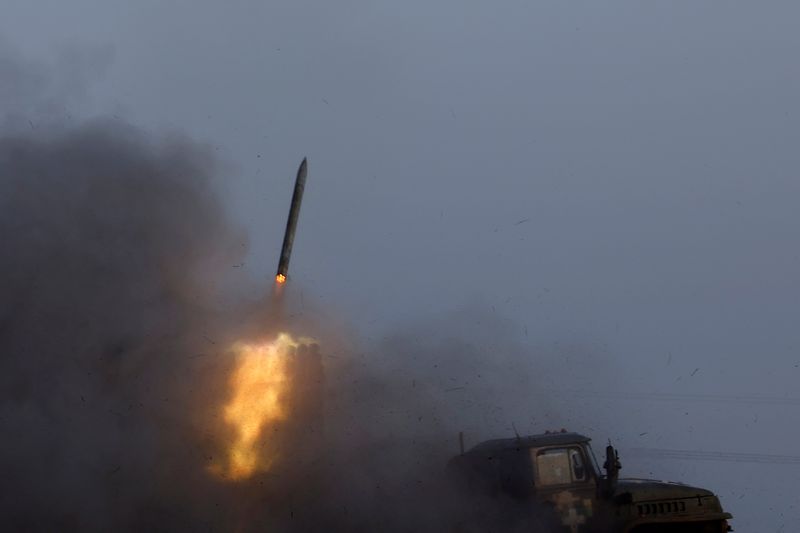
At least one person was killed and four seriously injured after a wave of Ukrainian drone and missile strikes hit southern Russia (Rostov and Samara regions), damaging a logistics warehouse in Taganrog and setting fires on a foreign-flagged dry cargo ship in the Sea of Azov. Large fires were reported near major chemical producers Tolyattikauchuk (synthetic rubber) and KuibyshevAzot (nitrogen fertilizers), and Samara airport operations were temporarily suspended, threatening regional grain and fertilizer export flows. Expect upward pressure on fertilizer and related commodity prices and higher shipping risk premia; monitor for escalation that could broaden market impacts.
The most durable market consequence will be input scarcity and higher risk premia, not just immediate physical damage. Disruption to high-value chemical and synthetic-rubber production combined with maritime friction produces inventory drawdowns and logistics rerouting that typically show up as price moves within 4–12 weeks and remain elevated for 3–9 months as replacement cargoes and feedstock contracts are rebalanced.
Second-order winners are firms that either control alternative supply or can capture higher logistics rents: large, liquid fertilizer producers/traders and specialty shipping/insurance providers. Conversely, intermediaries with concentrated exposure to the affected corridors or single-source feedstock contracts (e.g., tier-1 tire suppliers and regional port logistics operators) will face margin pressure from both input cost inflation and 20–40%+ short-term freight/insurance premium spikes.
Key catalysts to watch are (1) duration of outages at chemical complexes (a 2–6 week outage materially tightens spot markets), (2) measurable increases in war-risk insurance filings and charter rebookings (daily cadence), and (3) any sanctions escalation that restricts rerouting — the first two push prices up, the third could sustain them for quarters. A fast diplomatic de-escalation or rapid plant restart would reverse the pressure within 4–8 weeks, so timing matters for option structures and inventory plays.
Market positioning is currently priced as risk-off; that creates a clear asymmetric entry — buy options on priced-in beneficiaries and use tight-duration, capped-loss hedges into the next 6 months. Also expect volatility compression only after visible cargo manifests confirm alternative supply flows (3–6 weeks), which is the optimal window to take profits.
AI-powered research, real-time alerts, and portfolio analytics for institutional investors.
Request DemoOverall Sentiment
strongly negative
Sentiment Score
-0.65
Ticker Sentiment
