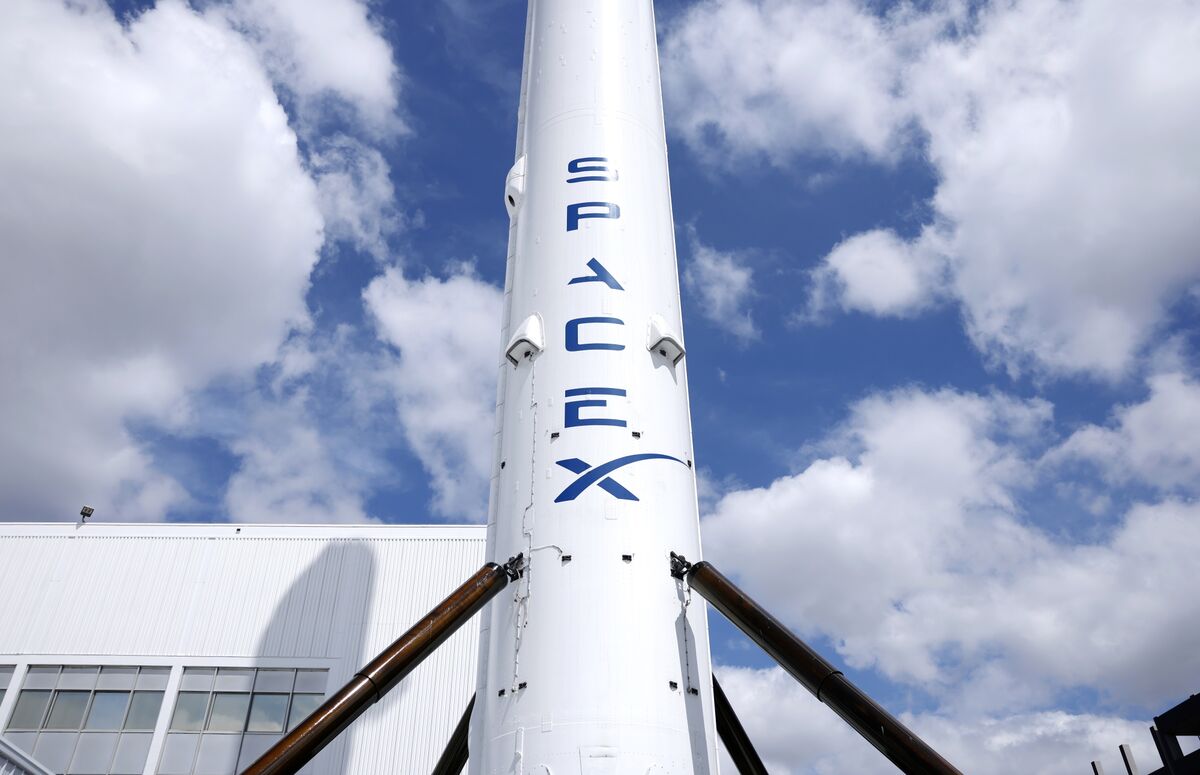
SpaceX is pursuing an IPO pitched around Elon Musk’s ability to “sell the dream,” with bankers set to begin meetings to pressure-test a targeted $2.0 trillion valuation — up from $1.75 trillion two weeks ago. The push comes about two months after SpaceX’s merger with xAI and is being positioned as a candidate for the largest-ever IPO, though bankers’ due diligence meetings signal significant investor vetting ahead of pricing.
A public listing of a vertically integrated rocket/satellite/AI business will reprice the entire space-supply chain toward scale and recurring-revenue narratives. Expect capital to flow to contractors and suppliers that can demonstrate stable cash conversion and government/defense sticky contracts, while small launch pure-plays face multiple compression as investors price in higher technical and order-book risk.
The path to durable public value is long and capital intensive: meaningful revenue inflection requires both higher ARPU from global connectivity and commercialized AI products, each on multi-year timelines subject to regulatory approvals and launch cadence. Near-term catalysts that can move the market within months include S-1 disclosure items (governance/lockup structure), FCC/DoD export or licensing decisions, and any high-profile launch failures; medium-term outcomes (12–36 months) hinge on ARPU scale and chip/satellite supply constraints.
Consensus excitement skews toward synergy capture between space assets and AI, but integration frictions and unit-economics dilution are underappreciated risks. Second-order implications: increased orbital congestion raises insurance and regulatory costs, pushing more business to incumbent defense contractors and satellite manufacturers with deep government relationships rather than to speculative commercial entrants.
AI-powered research, real-time alerts, and portfolio analytics for institutional investors.
Overall Sentiment
mildly positive
Sentiment Score
0.30
