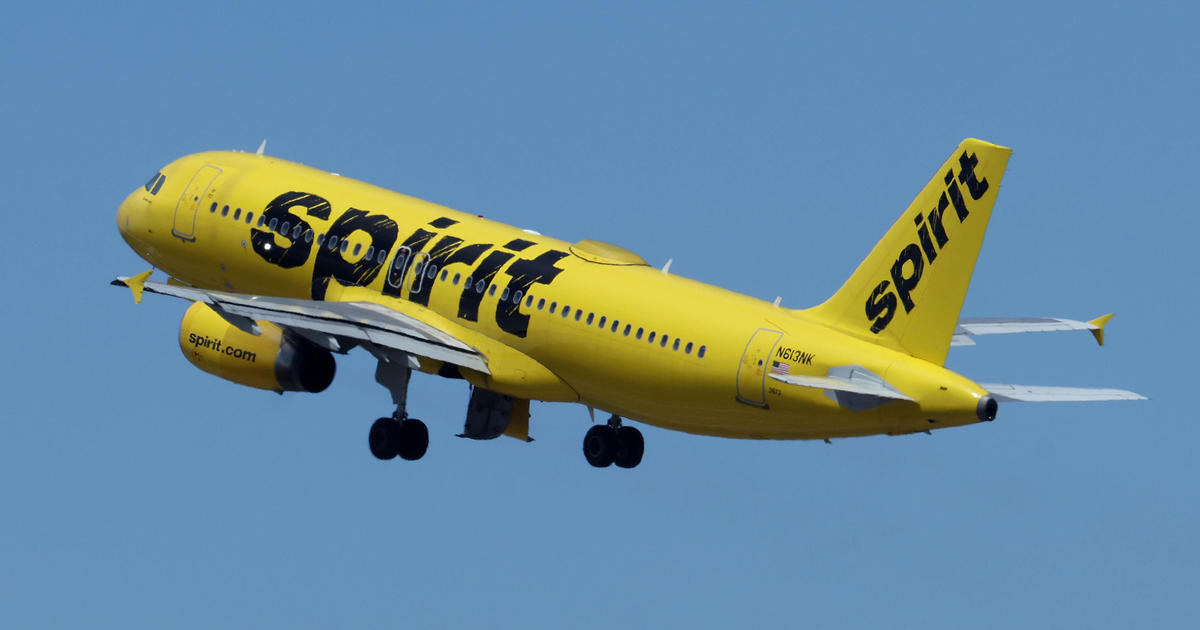
The White House is considering a federal bailout structure for Spirit Airlines, including a potential $500 million loan, creditor priority, and a warrant for up to 90% of the company after bankruptcy. Spirit has already filed for bankruptcy twice in two years, and officials say liquidation remains a real risk if government support is not approved. The proposal could also involve Pentagon use of Spirit capacity for military transport, while the airline is likely to be sold to another carrier if rescued.
The market is underestimating how sharply this shifts the bankruptcy waterfall: a government loan with seniority and a 90% warrant effectively socializes downside while capping upside for common equity and most unsecured claims. If this proceeds, the near-term winner is not Spirit shareholders but creditors positioned to accept a federal takeout, while the loser set expands to any airline assuming distressed capacity will disappear on schedule. In practice, the government would be manufacturing a quasi-public airline balance sheet and preserving fleet/slot value for a later strategic sale, which reduces liquidation probability but also delays industry capacity rationalization.
For UAL, the immediate read is mixed but skewed negative near term: the bid for Spirit's slots and aircraft is no longer a clean consolidation path, and a subsidized rescue keeps low-end capacity in the system longer than the market expects. That matters because Spirit’s disappearance would have tightened ULCC supply and improved pricing power across domestic leisure routes within 1-2 quarters; a bailout stretches that relief into a longer, messier window. The second-order effect is that incumbents may have to defend share with fare compression just as fuel costs rise, which is a worse setup than a simple liquidation scenario.
The real catalyst risk is political, not operational. If the administration frames this as a jobs/defense move, the tradeable event is not the loan itself but the credibility of a broader pattern of intervention in distressed transport assets, which could temporarily compress airline risk premia and tighten credit spreads for weaker carriers. Conversely, if creditors or a court block the structure, the stock reaction should flip quickly toward a liquidation path and a more constructive supply backdrop for legacy carriers over the next 3-6 months.
The contrarian point is that the market may be too focused on Spirit survival and not enough on the warrant economics: a 90% government take means the private equity option value is being stripped out, so this is economically closer to an organized wind-down than a rescue. That makes the announcement less bullish for the sector than headline optics suggest, because preserving assets today can still end in a sale to a larger carrier at a time of the government’s choosing, not when pricing is most favorable for competitors.
AI-powered research, real-time alerts, and portfolio analytics for institutional investors.
Request TrialOverall Sentiment
strongly negative
Sentiment Score
-0.62
Ticker Sentiment
