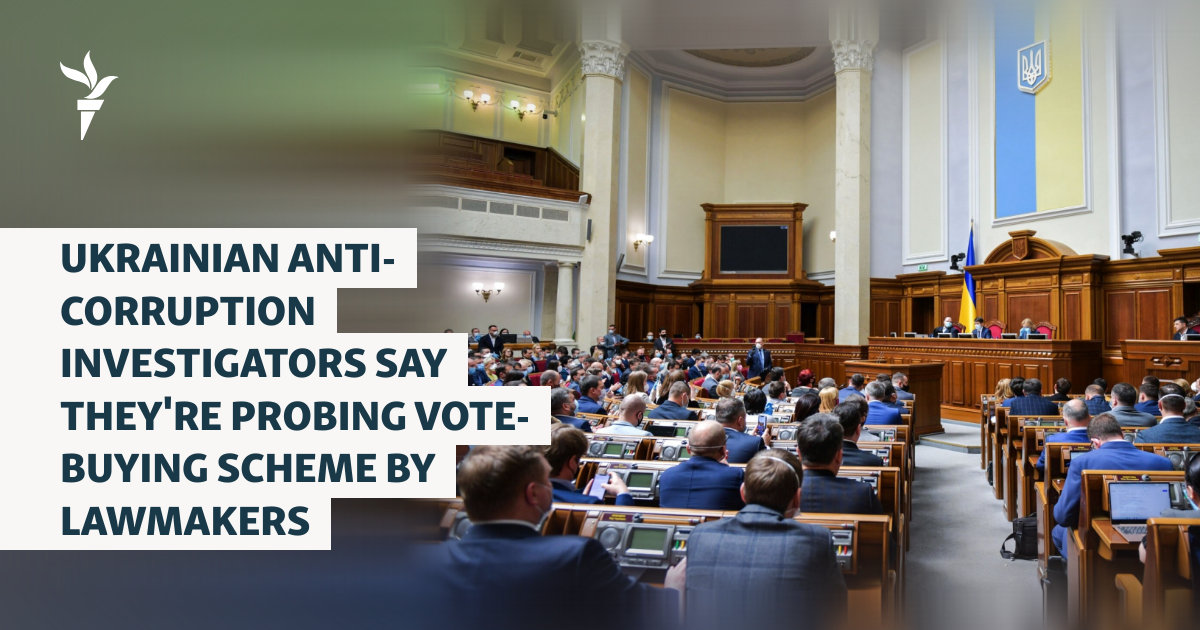
Ukraine's Specialized Anti-Corruption Prosecutor's Office (SAPO) and the National Anti-Corruption Bureau (NABU) announced probes into alleged vote-buying by current MPs, saying investigators identified an organized criminal group receiving illegal benefits for parliamentary votes and that security services initially hindered searches. The investigations follow a separate energy-sector kickbacks probe that prompted high-profile raids and the dismissal of presidential chief of staff Andriy Yermak, further damaging President Zelenskyy's domestic standing and increasing political uncertainty amid martial law and Russia's war.
Market structure: Political probes into MPs and interference with anti-corruption agents increase short-term political risk in Ukraine and raise sovereign funding and counterparty risk. Near-term winners are Western defense/A&D suppliers (higher probability of sustained aid and procurement) and safe-haven assets; losers are Ukrainian sovereign and local corporate credit, domestic energy/infrastructure contractors, and any Europe-exposed banks financing Ukraine (likely -100–300bp wider spreads). Cross-asset: expect UAH weakness, Ukraine USD bond yields to jump, EM equity/credit underperformance and modest upward pressure on gas/defense-related commodity prices.
Risk assessment: Tail risks include donor freeze/default (low probability, high impact) or rapid escalation of domestic instability opening military exploitation by Russia; either could move sovereign CDS +300–500bps within weeks. Immediate (days) = volatility spikes and FX moves; short-term (1–3 months) = spread repricing and funding gaps; long-term (6–24 months) = reforms trajectory altered, changing access to IMF/EU support. Hidden dependencies: Western political will, timing of tranche disbursements, winter energy flows and battlefield events — any can accelerate or reverse market moves.
Trade implications: Tactical plays include rotating 1–3% into defense ETFs/large-cap contractors (ITA, LMT, RTX) over 3–6 months while hedging EM downside; hedge EM equity exposure with 1–2% notional 3-month EEM put spreads funded by selling nearer-dated calls. Reduce Ukraine-specific credit exposure now (trim 50% of direct sovereign/corporate positions) and buy 1–2% portfolio tail protection (GLD or 1–3m VIX calls) for contagion risk.
Contrarian angles: Consensus assumes donor pullback; markets may underprice the probability of accelerated Western fiscal support (which would tighten spreads and lift defense names). Also, stronger anti-corruption enforcement over 12–24 months would materially improve investor sentiment for Ukrainian assets — create a watchlist to reenter after a 200–400bp retracement in CDS or a 25–35% rally in local equities. The immediate political noise may therefore present both short-term hedging needs and medium-term opportunity.
AI-powered research, real-time alerts, and portfolio analytics for institutional investors.
Request DemoOverall Sentiment
moderately negative
Sentiment Score
-0.40
