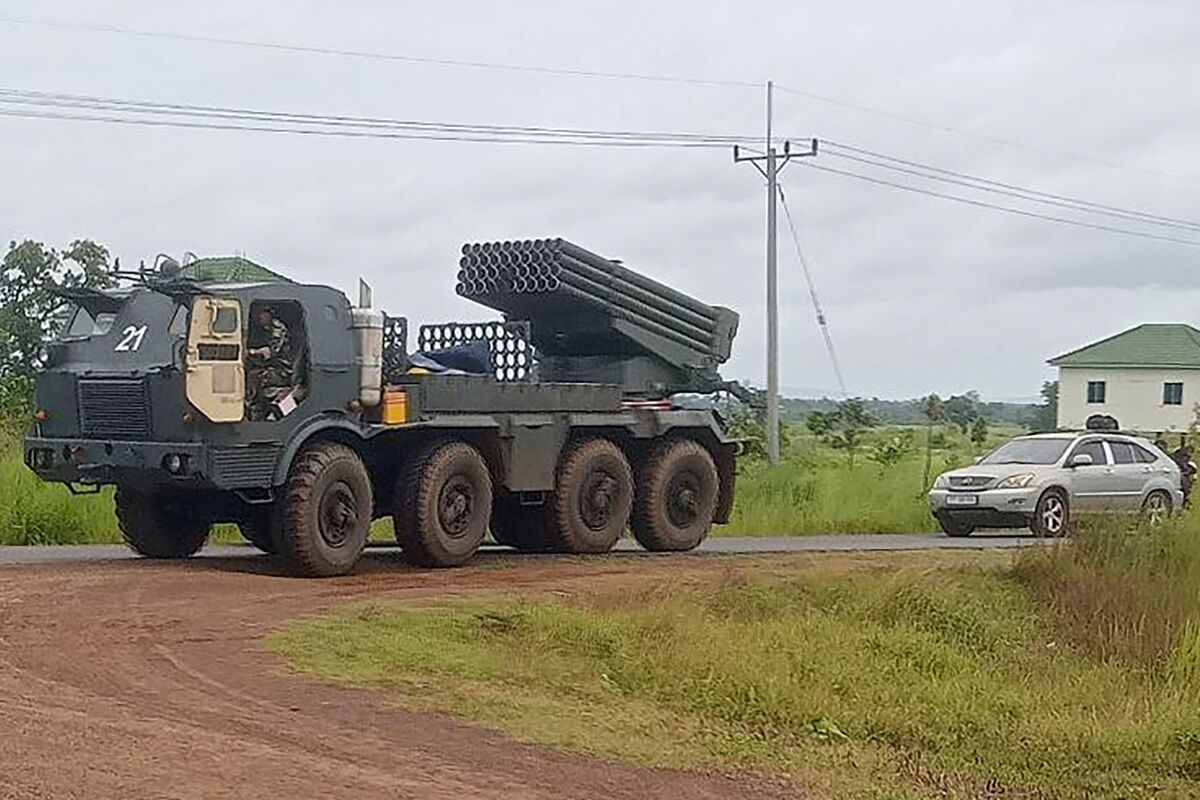
Long-standing tensions between Thailand and Cambodia escalated into five days of deadly military clashes along their 800-kilometer shared border, commencing July 24. The conflict, characterized as the deadliest in recent history, resulted in nearly four dozen fatalities and displaced over 300,000 people, with both sides claiming the other initiated aggression in contested areas. The engagement saw significant military action, including artillery shelling and the deployment of Thai F-16 and Gripen fighter jets, highlighting severe regional instability.
A severe military escalation occurred between Thailand and Cambodia along their 800-kilometer border, marking the deadliest conflict in recent history with nearly four dozen fatalities and over 300,000 people displaced. The five-day clash, which began on July 24, involved significant military assets, including artillery and the deployment of Thai F-16 and Gripen fighter jets, indicating a substantial level of armed engagement. The conflict stems from long-simmering tensions over contested territories, suggesting that the root cause is structural and carries a risk of future flare-ups. Despite the strongly negative sentiment associated with the violence, the event is assessed to have a low market impact score (0.3), implying that while it represents a serious source of regional instability, its direct contagion effect on broader financial markets is currently viewed as limited.
AI-powered research, real-time alerts, and portfolio analytics for institutional investors.
Request DemoOverall Sentiment
strongly negative
Sentiment Score
-0.70
