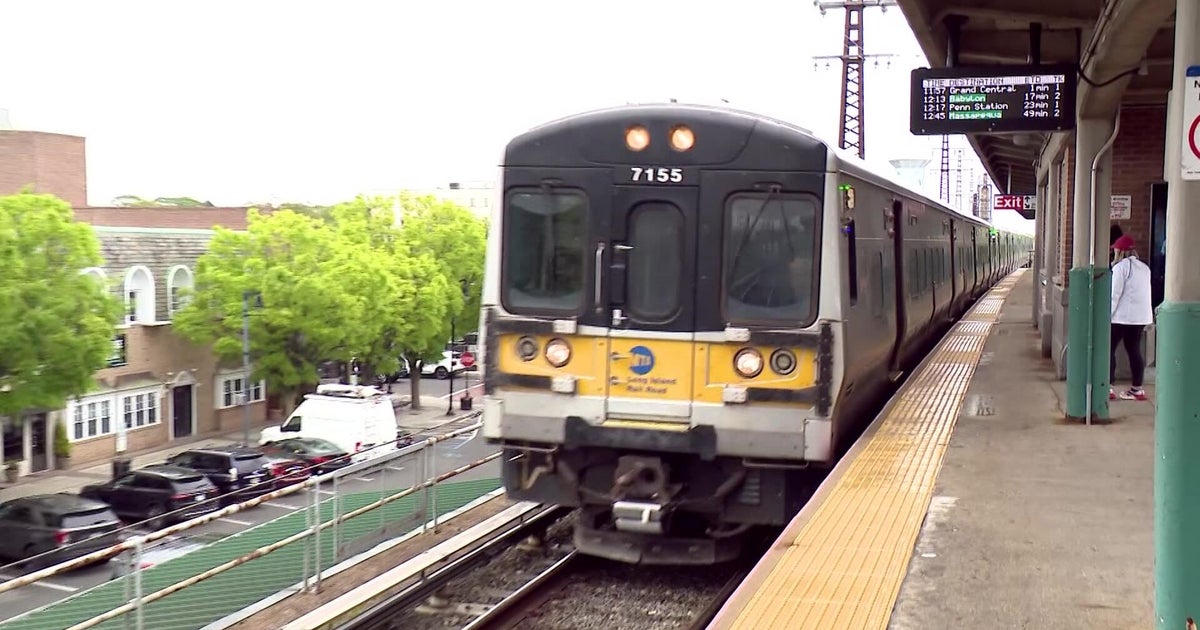
No deal was reached after hours of negotiations between the MTA and LIRR unions, leaving a potential strike set for midnight Saturday. The dispute centers on the fourth year of a wage deal: both sides agreed to 9.5% raises over three years, but the MTA's proposed 4.5% lump-sum in year four was rejected. A strike would halt LIRR service, affecting about 300,000 riders and weekend Citi Field traffic, while business owners near stations brace for losses.
The market is underpricing the asymmetry around a short, high-visibility labor shutdown: the first-order hit is local transit disruption, but the second-order effect is a confidence shock to any asset tied to New York City weekday mobility. The cleanest relative winners are non-rail alternatives with spare capacity—ride-hailing, car-rental, parking, and even select bus operators—because a 2-5 day strike forces immediate modal substitution, while rail revenue losses are not easily recaptured afterward. For MTA-linked risk, the bigger issue is not one strike but precedent. If management concedes materially on the final year, the wage reset can bleed into the next round of public-sector bargaining and widen wage expectations across transit agencies already facing sticky labor costs. That raises the probability of recurring margin pressure, fare increases, or political subsidies over the next 6-18 months, which is more relevant to credit spreads and muni sentiment than the headline weekend disruption. The contrarian view is that the damage may be front-loaded and brief if the parties calibrate to avoid being blamed for a Subway Series weekend outage. That means the best trade is not a blanket “sell transit” call, but a volatility expression around the strike deadline and immediate post-resolution mean reversion. If a deal lands, relief can be sharp because the market has already priced in enough stress to create a crowded hedge unwind. A useful second-order read-through is inflation optics: a visible commuter wage victory can re-ignite local service-price stickiness narratives even if the macro impact is tiny. That matters because municipal wage settlements tend to influence expectations more than GDP, and it can bleed into future contract negotiations in transportation, sanitation, and public safety.
AI-powered research, real-time alerts, and portfolio analytics for institutional investors.
Request DemoOverall Sentiment
moderately negative
Sentiment Score
-0.35
Ticker Sentiment
