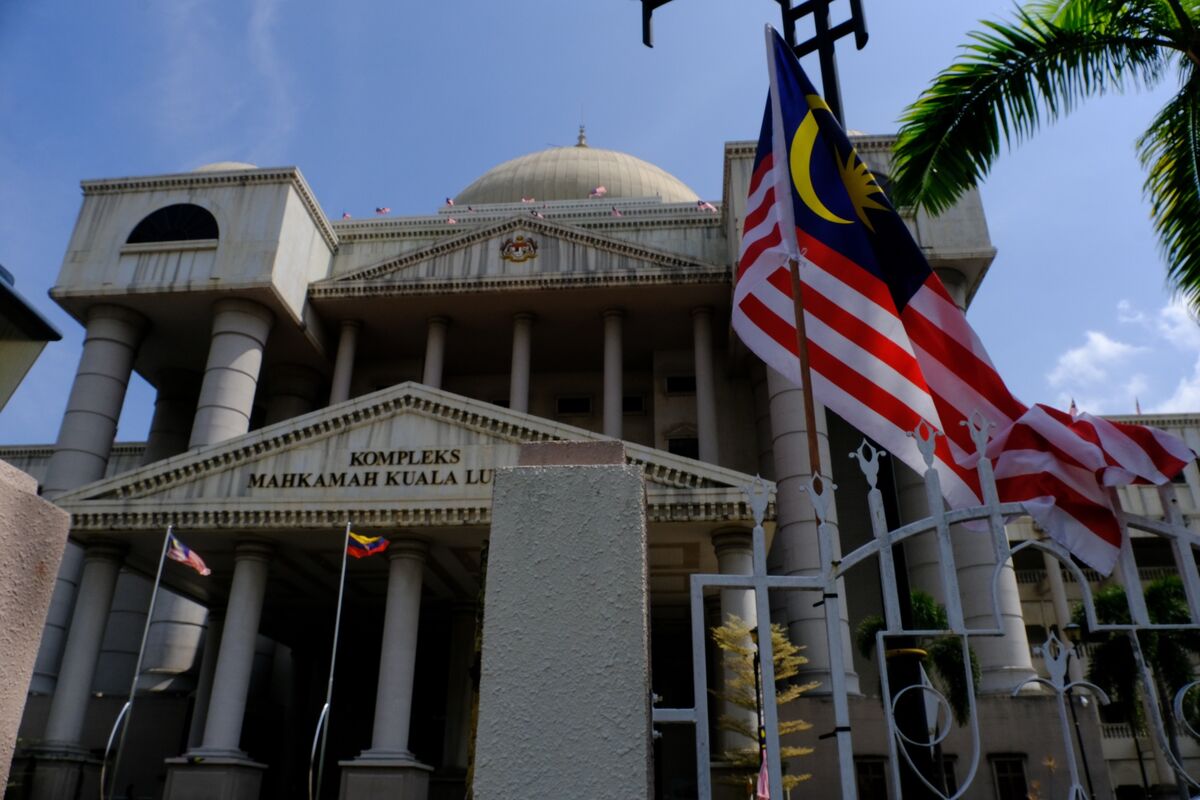
Malaysian Prime Minister Anwar Ibrahim’s former aide Shamsul Iskandar Mohd Akin, 51, was charged at the Kuala Lumpur Sessions Court with four counts of corruption for allegedly accepting cash, furniture and electrical goods worth 176,829 ringgit (~$42,933) from Tei Jiann Cheing between November 2023 and March 2024 to assist firms in obtaining mineral exploration licences in Sabah. The case heightens governance and regulatory risk around Malaysia’s resource licensing process and could prompt closer scrutiny of companies and officials involved, though the direct market impact is likely limited absent wider political fallout.
Market structure: This corruption charge is a negative idiosyncratic shock concentrated on Sabah-focused mineral exploration juniors and politically-connected contractors; expect immediate weakness in small-cap Malaysia materials names while large cap exporters/majors (state-linked or diversified miners) are largely insulated. License delays from heightened scrutiny will reduce near-term new project flow, squeezing discovery-led small-cap share values but likely only nudging physical commodity supply curves (1–3% impact) over 6–12 months for niche minerals. FX/bond flows: modest risk-off pressure on MYR and short-end MGS yields for days–weeks as offshore holders re-price governance risk.
Risk assessment: Tail risk is escalation into a broader political probe that triggers a >5% MYR sell-off and 50–150bp MGS spread widening — low probability (<10%) but high impact for Malaysian assets. Near-term (0–30 days) main risk is reputational contagion to any firm with Sabah ties; medium-term (1–6 months) risk is regulatory tightening of permit processes that can impair exploration cashflows. Hidden dependencies: local banks providing project financing, stamp-duty or retrospective audits that could crystallize losses; catalysts include court disclosures, charge expansions, and parliamentary inquiries within 30–90 days.
Trade implications: Tactical opportunities favor short/hedge positions on Sabah-exposed small-cap materials versus long positions in global diversified miners (GDX, BHP) to capture safe-haven commodity exposure. Use USD/MYR FX trades as an efficient hedge: buy USD/MYR on >1.5% MYR weakness with 1–2% NAV sizing and 3–8 week duration. Options: implement 3-month put spreads on broad Malaysian exposure (EWM) if index drops >3% intraday; size 1–2% NAV.
Contrarian angles: Consensus may overestimate system-wide contagion — if prosecutions are limited, governance improvement could shorten risk premia and create mean-reversion in beaten down Malaysian financials/blue-chips (e.g., MAYBANK, TNB) within 60–120 days. Historical parallels (localized graft probes in EM) show initial -8–15% small-cap drawdowns with 30–90 day rebounds once investigations remain narrow; set triggers (no new charges in 30 days) to re-enter selectively.
AI-powered research, real-time alerts, and portfolio analytics for institutional investors.
Request DemoOverall Sentiment
mildly negative
Sentiment Score
-0.30
