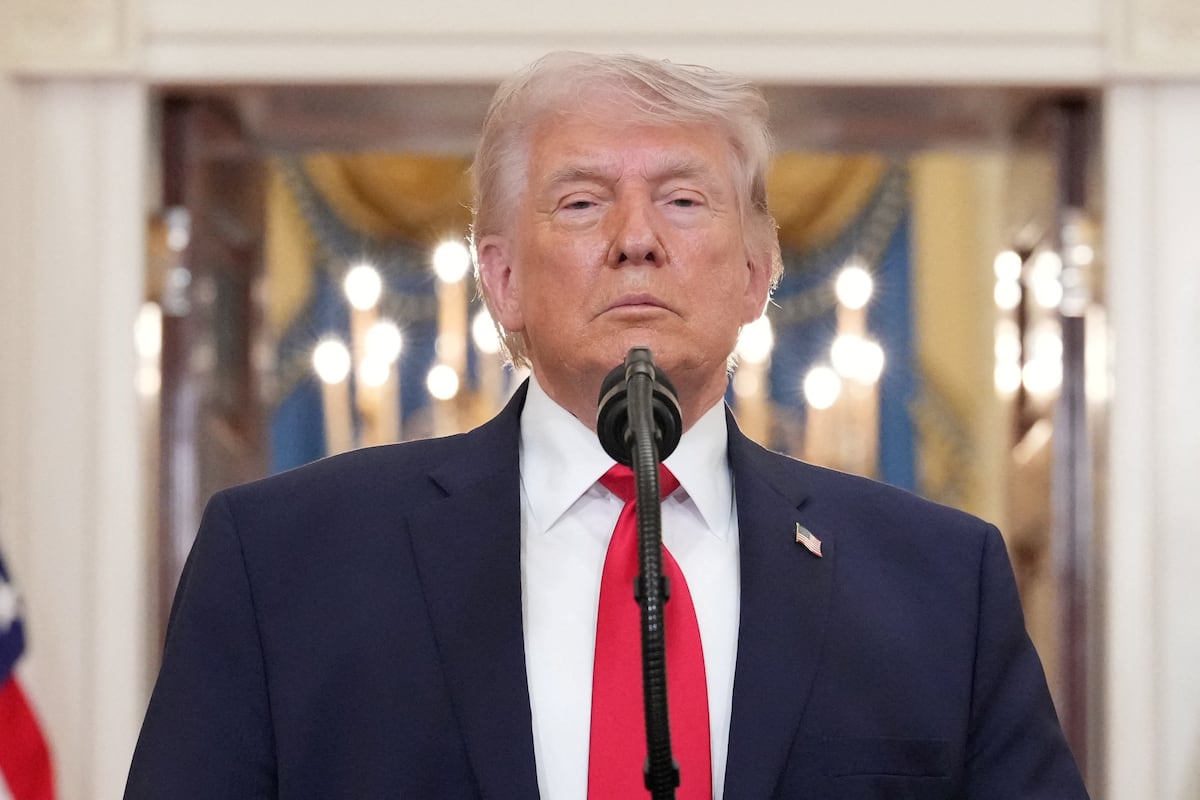
President Trump threatened to walk away from the 32-nation NATO alliance amid fallout from the U.S.-Israeli offensive on Iran, while Iran’s effective blockade of the Strait of Hormuz is affecting roughly one-fifth (≈20%) of global oil flows. Legal and procedural constraints limit immediate U.S. withdrawal (a 2023 law vests withdrawal power in Congress and NATO rules impose a one-year notice), but the rhetoric raises geopolitical risk and could push energy and defense assets higher. NATO leaders from Germany, the U.K. and Poland reiterated commitment to the alliance; NATO Secretary General Mark Rutte is expected to meet Trump in Washington next week.
The immediate market lever is defense demand: political fracturing rhetoric accelerates the likelihood of sustained European rearmament planning and U.S. congressional support for allied contingency programs. If Europe moves even 10–20% higher on defense budgets over 12–36 months, ballpark incremental procurement flows of $20–60bn would disproportionately benefit primes with long lead-time platforms, MRO suppliers and systems integrators (software/cyber) rather than commodity subtiers.
Energy and maritime second-order effects are near-term and non-linear: a credible risk to the Strait of Hormuz functionally lifts an oil risk premium that can translate into $5–15/bbl of realized upside and a multi-week jump in tanker time-charter rates and war-risk insurance (which can double for certain routes). That dynamic favors U.S. LNG exporters, large carrier owners, and commodity trading desks but hurts energy-intensive industrials and airlines through higher operating costs and squeezed margins over the coming quarters.
Market structure and sentiment: headlines will drive short-duration safe-haven flows into Treasuries and gold, compressing yields for days–weeks while raising equity volatility. The longer horizon (months–years) is dominated by whether rhetoric produces policy action; legal and institutional constraints make an abrupt NATO exit unlikely, so some of the immediate risk premia are candidates for mean reversion when political dust settles — but procurement cycles and capex decisions already begun will lock in winners for 12–36 months.
AI-powered research, real-time alerts, and portfolio analytics for institutional investors.
Request DemoOverall Sentiment
mildly negative
Sentiment Score
-0.35
