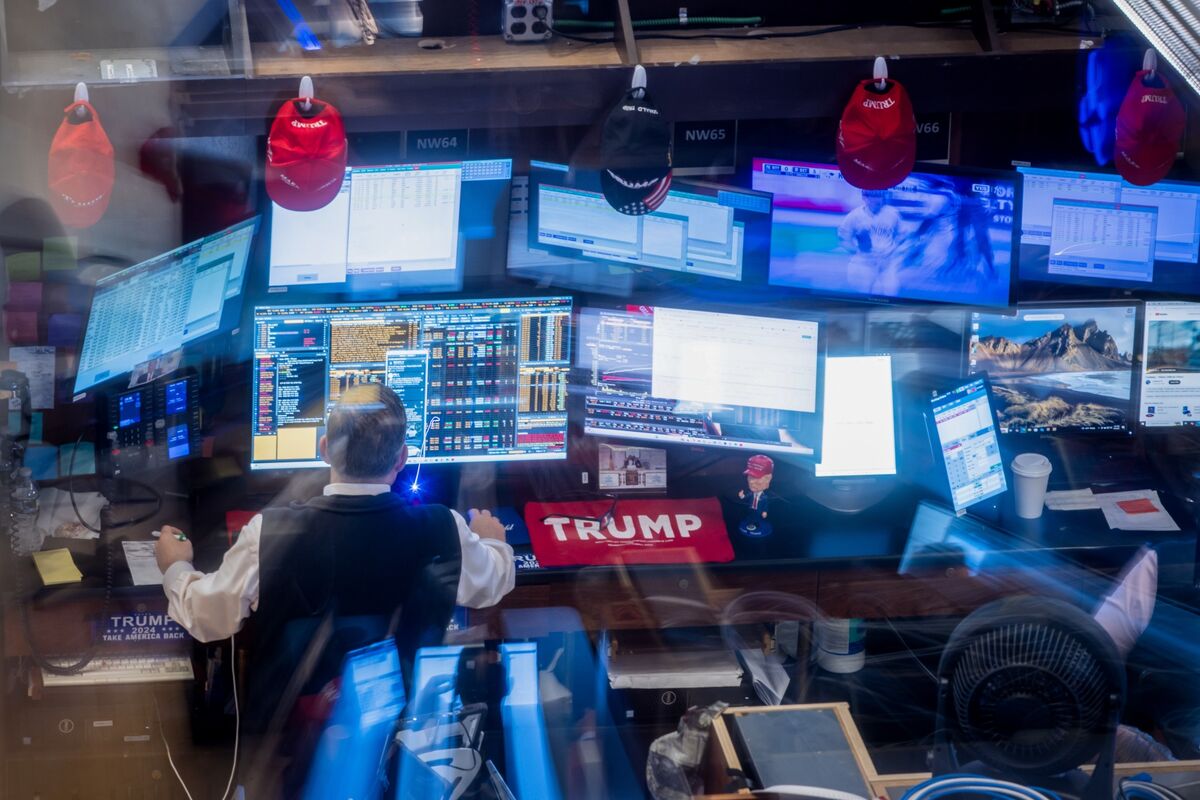
Major Wall Street banks, including JPMorgan Chase & Co. and Citigroup Inc., leveraged market volatility driven by Donald Trump's tariff policies to achieve exceptional second-quarter trading results. JPMorgan's stock traders recorded their best Q2 ever, while Citi's trading division saw its strongest Q2 in five years, collectively surpassing analyst expectations and demonstrating how market dislocations can boost financial sector performance, even improving investment banking revenues.
Market volatility, directly linked to U.S. tariff policies, served as a significant tailwind for Wall Street's largest banks during the second quarter. JPMorgan Chase & Co.'s stock trading division achieved its best second quarter on record, while Citigroup Inc.'s trading unit posted its strongest Q2 performance in five years. Both institutions substantially surpassed analyst expectations, signaling a material positive earnings surprise. Notably, the heightened volatility did not stymie deal-making as feared; instead, investment banking businesses also exceeded forecasts. This performance underscores how sophisticated trading operations can effectively monetize macroeconomic uncertainty, converting market dislocations into record or near-record revenue and demonstrating resilience even in otherwise turbulent conditions.
AI-powered research, real-time alerts, and portfolio analytics for institutional investors.
Request DemoOverall Sentiment
strongly positive
Sentiment Score
0.75
Ticker Sentiment
