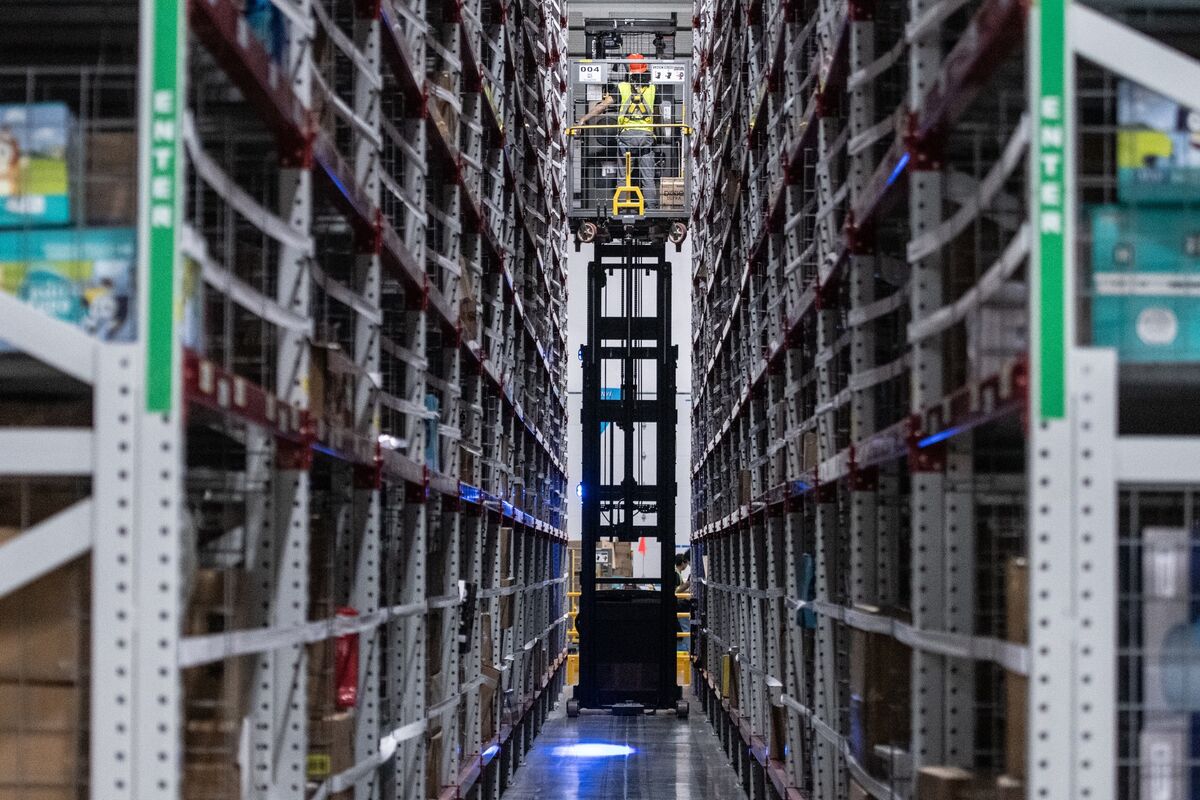
Prices for $2.7 billion of bonds tied to warehouse leases have declined, signaling emerging stress within the industrial real estate sector. This development is notable as industrial properties were previously considered a resilient segment of commercial real estate, raising concerns among institutional investors about the stability of underlying lease payments and property valuations.
A material price decline in a $2.7 billion portfolio of bonds backed by warehouse leases indicates emerging stress in the industrial real estate sector. This development is significant as industrial properties have been widely regarded as a resilient and outperforming segment within the broader commercial real estate (CRE) landscape. The falling bond prices reflect growing investor concern regarding the stability of underlying lease payments and the durability of property valuations, challenging the sector's 'safe-haven' status. This signal of weakness in a previously strong market segment warrants close attention, as it may foreshadow a broader repricing of risk across industrial real estate assets.
AI-powered research, real-time alerts, and portfolio analytics for institutional investors.
Request DemoOverall Sentiment
moderately negative
Sentiment Score
-0.50
