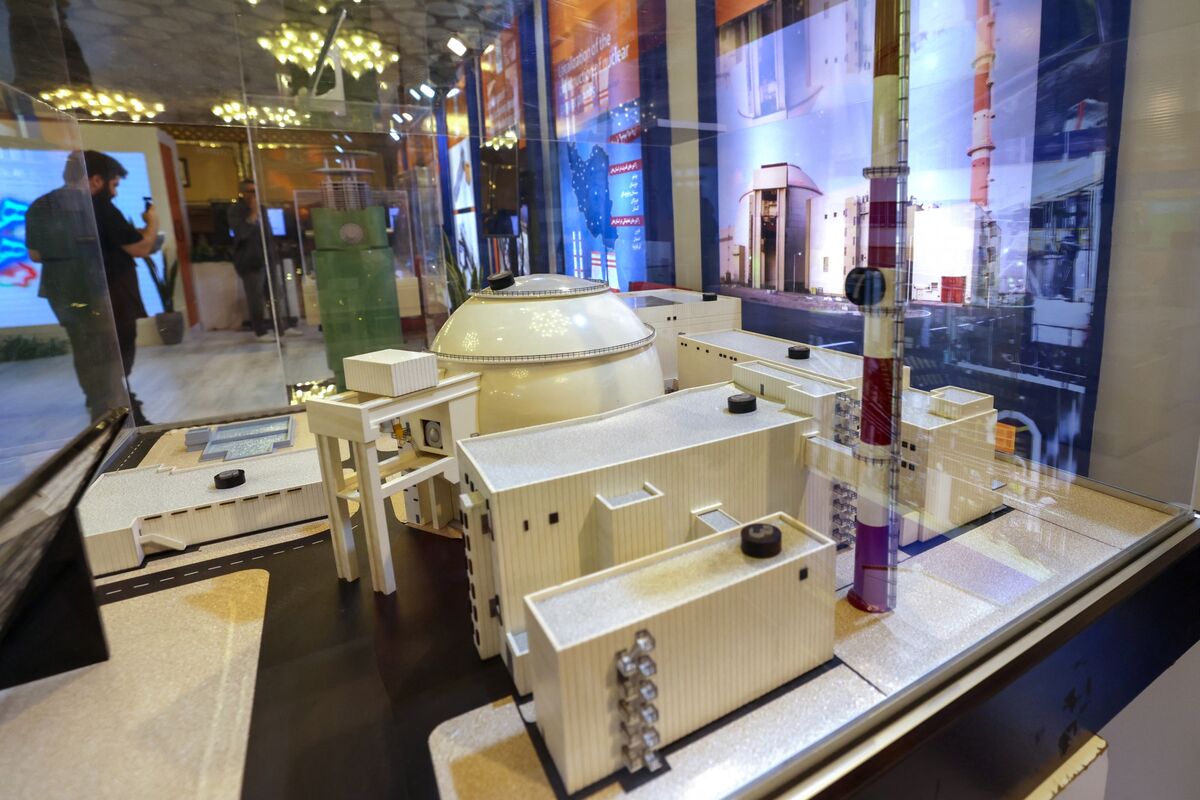
The Trump administration presented a 15-point plan (roughly a dozen demands plus three concessions) requiring Iran to dismantle its main nuclear facilities and limit missiles to self-defense; the proposal was delivered to Tehran via mediators in Pakistan. The plan was rejected, increasing regional escalation risk that could lift oil risk premia and benefit defense/sanctions-sensitive sectors; monitor oil prices, regional risk spreads, and defense contractors for moves.
Markets will re-price a risk-premium across defense, energy and logistics in two distinct waves: an immediate liquidity shock (days–weeks) that shows up in oil, tanker insurance and freight spreads, and a multi-quarter re-allocation into defense contractors as governments refresh procurement priorities and accelerate bridge funding. Expect defense primes to see a 10–25% bid if political signals harden within 2–8 weeks, but real cashflow upside for subcontractors and specialty suppliers will arrive unevenly over 6–24 months as award timing and supply-chain bottlenecks play out.
A modest oil shock (we think $3–8/bbl on headline risk, $5–15 if shipping in the Gulf is disrupted) is likely within days; refined product cracks will widen and depress airline margins for 1–3 quarters, pressuring carriers with weak hedges. US tight oil can blunt a sustained structural move, but the response is 3–9 months and capital-constrained, so short-duration winners are shale equities and energy storage providers, while long-duration inflationary pressure benefits commodity-heavy real assets.
Sanctions and secondary sanctions enforcement impose second-order costs: higher marine insurance and P&I premiums, rerouted longer voyages lifting container and dry-bulk rates, and elevated AML/KYC burdens on banks with EM payments flows. This creates tactical opportunities in insurance re-rating and select small-cap defense/supply-chain names that are often missed in headline plays.
Contrarian read: the market often overestimates full-scale escalation. Political frictions, coalition constraints and the cost of occupation keep the true probability of a widescale conflict below the binary-risk pricing implied by a >20% rally in defense or oil. Use convex instruments and relative-value pairs rather than outright directional leveraged exposure — volatility will spike on headlines but mean-revert if diplomatic channels stay open within 30–60 days.
AI-powered research, real-time alerts, and portfolio analytics for institutional investors.
Request DemoOverall Sentiment
mildly negative
Sentiment Score
-0.35
