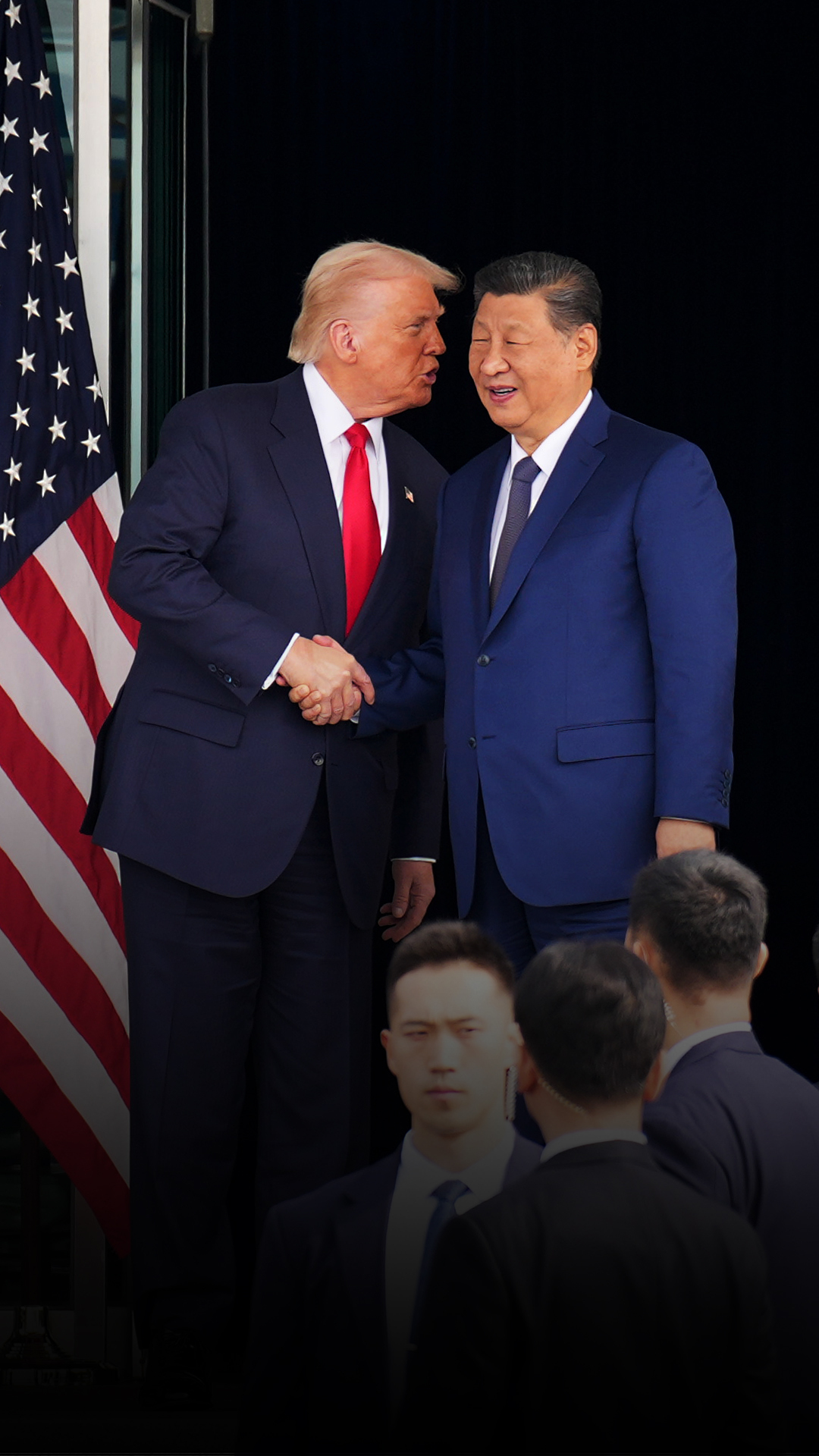
US President Donald Trump and Chinese President Xi Jinping agreed to extend a tariff truce, roll back export controls, and reduce other trade barriers during their landmark summit in South Korea, signaling a significant de-escalation in trade tensions between the two nations.
The landmark summit between US President Donald Trump and Chinese President Xi Jinping in South Korea yielded a significant de-escalation of trade tensions. Both leaders agreed to extend the existing tariff truce, roll back export controls, and reduce other trade barriers, signaling a constructive shift in bilateral relations. This outcome carries an "extremely positive" sentiment score of 0.85, reflecting market optimism.
This agreement directly addresses key areas of contention that have previously hindered global trade and supply chain stability. The commitment to reduce trade barriers and export controls implies a more predictable operating environment for multinational corporations. The high market impact score of 0.8 suggests this development will be a material catalyst for global markets.
The extension of the tariff truce alleviates immediate pressures on industries heavily reliant on US-China trade. While specific details on the extent of these rollbacks are pending, the overall "optimistic" tone indicates a potential for renewed confidence in international trade. This could foster increased cross-border investment and economic activity.
AI-powered research, real-time alerts, and portfolio analytics for institutional investors.
Request DemoOverall Sentiment
extremely positive
Sentiment Score
0.85
