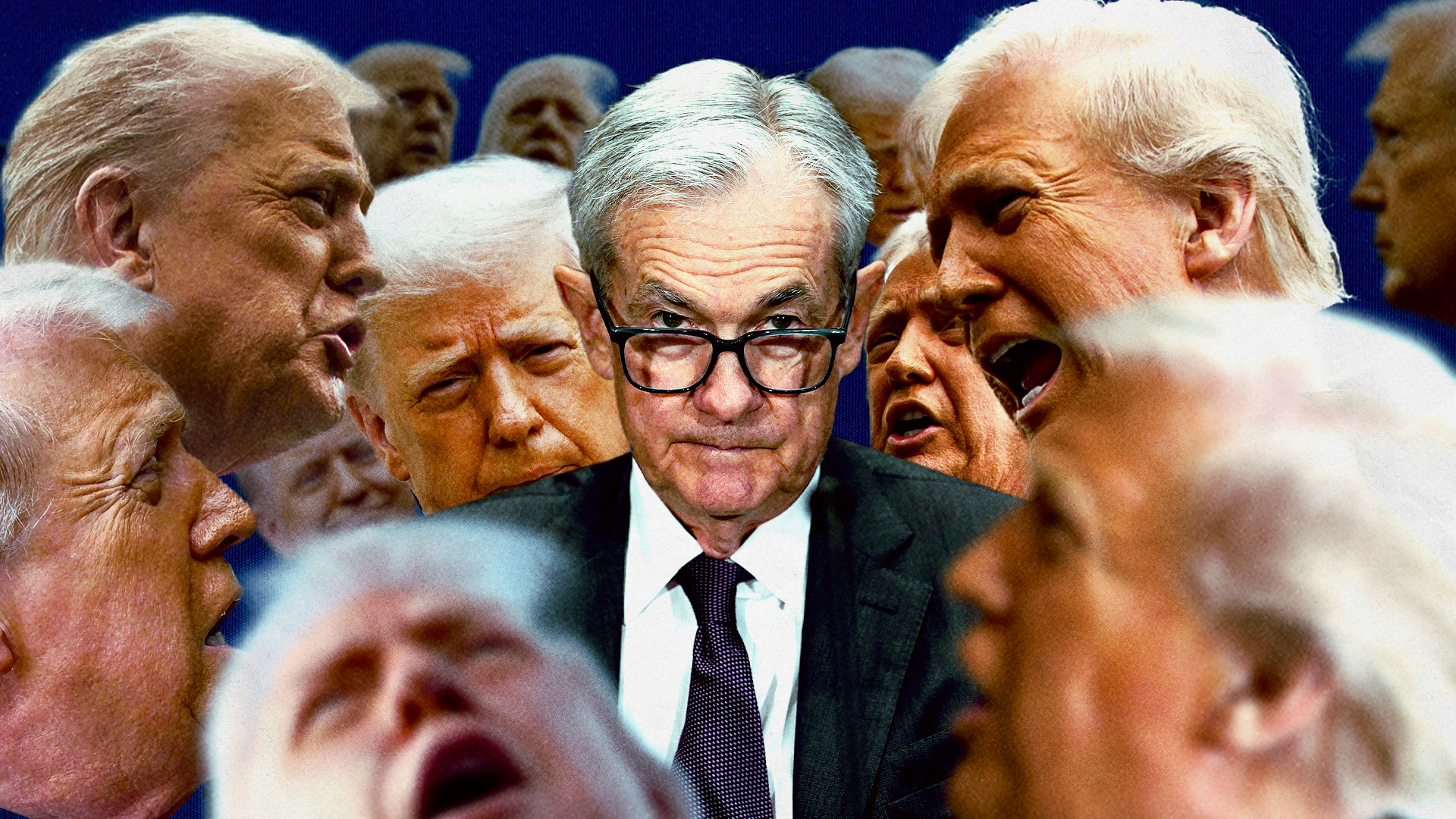
The US Federal Reserve's independence is facing unprecedented pressure from President Trump, notably through his unique attempt to fire one of its governors. While the Fed's established economic principles advocate for resisting political interference, the article highlights that market reactions will ultimately determine the central bank's ability to maintain its autonomy. This situation represents a critical test for the Fed's historical independence and its implications for financial stability.
The independence of the U.S. Federal Reserve is facing a significant and historically unique challenge from political pressure, specifically highlighted by President Trump's attempt to dismiss a governor. While the central bank is guided by established economic principles to maintain its autonomy, the article posits that the ultimate determinant of its success will be the reaction from financial markets. This situation creates a high-impact (market impact score: 0.7) scenario where the intersection of monetary policy and domestic politics introduces substantial uncertainty. The moderately negative sentiment and uncertain tone underscore the risk that political interference could undermine the Fed's credibility, with market responses acting as the final arbiter of its operational freedom and, by extension, financial stability.
AI-powered research, real-time alerts, and portfolio analytics for institutional investors.
Request DemoOverall Sentiment
moderately negative
Sentiment Score
-0.40
Ticker Sentiment
