The UK government has unveiled a plan to significantly reduce and eventually phase out animal testing, aiming to replace some major safety tests by the end of 2025 and cut the use of dogs and non-human primates in human medicine testing by at least 35% by 2030. This initiative will be supported by increased funding, including a £30 million research hub, and will accelerate the adoption of alternative methods such as stem cell-derived tissues, AI, and 'organ-on-a-chip' technologies. While creating opportunities for companies developing these advanced testing solutions, the policy presents potential disruptions for traditional pharmaceutical and biotech research, with some scientific experts raising concerns about the feasibility and safety implications for complex biological studies.
The UK government has outlined a new policy to significantly reduce animal testing, targeting the replacement of some major safety tests by the end of 2025 and a minimum 35% reduction in dog and non-human primate use for human medicine tests by 2030. This initiative aims to re-ignite a previously plateaued decline in animal experiments, which fell from 4.14 million in 2015 to 2.88 million by 2020. The plan includes an unspecified increase in funding, notably a £30 million research hub, to accelerate the development and validation of alternative methods.
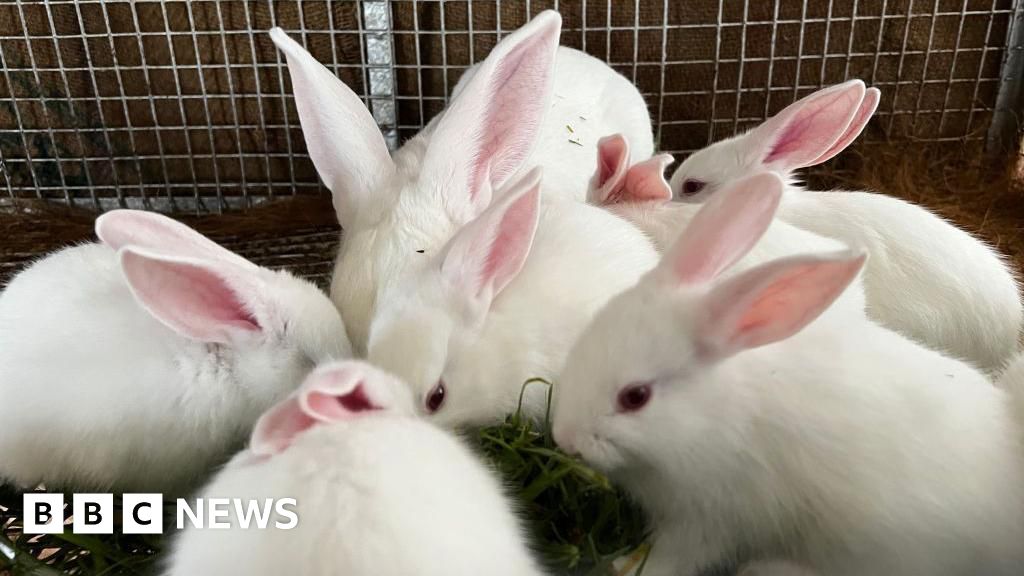
The strategy emphasizes a shift towards advanced non-animal techniques, such as stem cell-derived tissues, AI, computer simulations, and "organ-on-a-chip" technology. Specific immediate replacements include the pyrogen test for drugs, which will transition from rabbits to human immune cells, and germ checks using cell and gene technologies. This regulatory push creates a significant market opportunity for companies specializing in these innovative in-vitro and computational testing solutions.
Despite the government's ambitions, the plan faces skepticism from some scientific experts regarding the feasibility and safety of completely phasing out animal models, particularly for complex biological studies like cancer or neurological research. Concerns exist about the ability of current non-animal methods to replicate the complexity of whole organisms. This policy introduces both regulatory tailwinds for alternative testing providers and potential R&D challenges or increased costs for traditional pharmaceutical and biotech firms reliant on established animal models.
AI-powered research, real-time alerts, and portfolio analytics for institutional investors.
Request DemoOverall Sentiment
mixed
Sentiment Score
0.00
