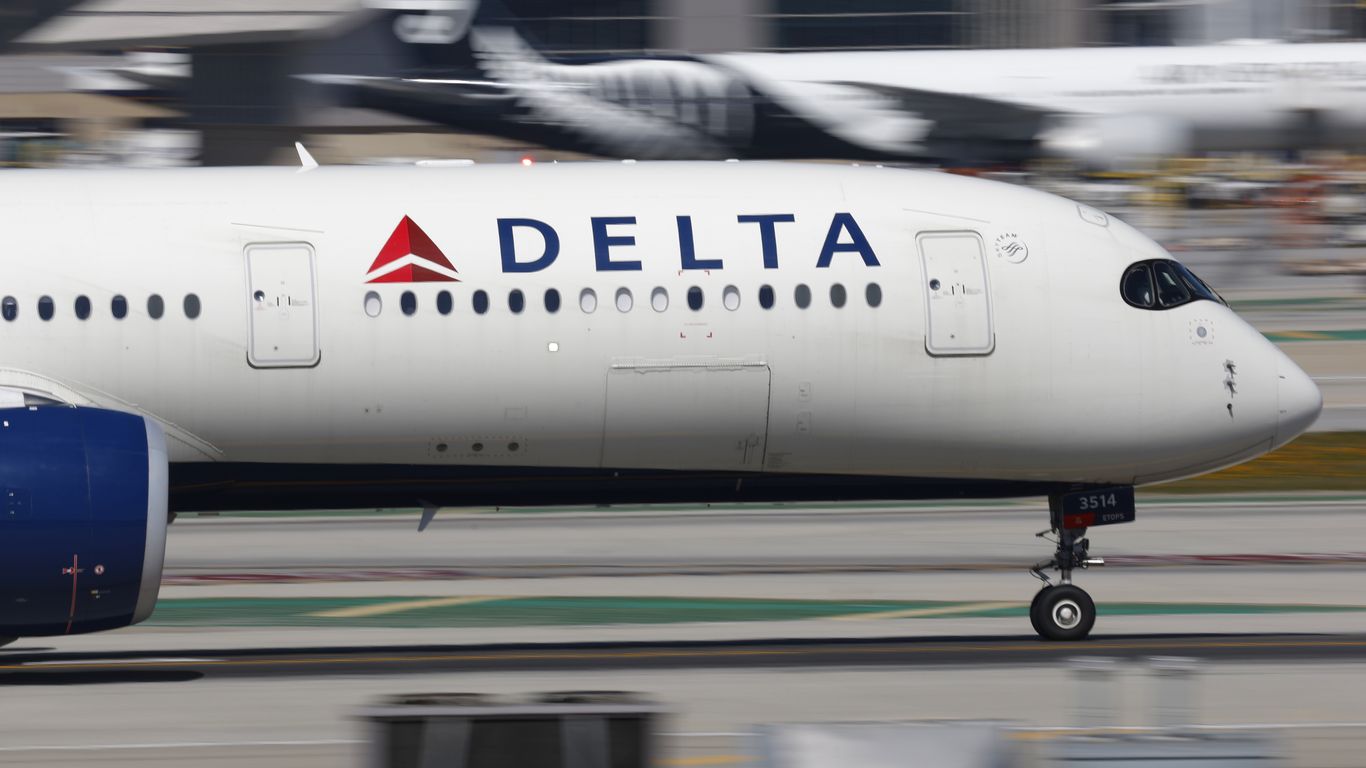
Delta is raising checked-bag fees by $10: first bag to $45, second to $55, and the third bag from $150 to $200 for bookings made Wednesday and beyond. The move follows an ~88% jump in jet fuel prices in major U.S. cities since late February amid the Iran conflict and comes after similar recent fee hikes at United and JetBlue. Long-haul international baggage fees remain unchanged and elite members, active-duty military, eligible cardholders and premium-cabin passengers retain free checked bags. Monitor potential modest revenue upside for carriers offsetting fuel costs versus consumer backlash and possible broader industry follow-through.
Legacy carriers are using ancillary pricing as a fast, high-margin lever to protect unit revenue while headline fares remain politically and competitively sensitive. A modest uptick in ancillary take rates captured from an estimated 20–40% of non-exempt passengers converts into low-to-mid hundreds of millions in run-rate EBITDA for a large network carrier within 6–12 months, with near-100% margin on the incremental amount because it avoids fuel and distribution step-ups.
The competitive second-order effect will pressure incumbents who market “free bag” propositions: carriers that continue to include checked bags (or whose loyalty/credit-card cohorts get exemptions) gain a clearer product differentiation, which can pull share among price-sensitive leisure travelers over a 3–12 month window. Meanwhile, more carry-on traffic will raise gate and turn costs (longer boarding, more gate-checks), subtly eroding some of the ancillary gains through operational friction — expect a measurable increase in buffer-required block times and modestly higher ground-handling costs in the coming peak seasons.
Key catalysts that can reverse the current pass-through are: (1) a quick fall in jet fuel or a diplomatic de-escalation compressing fuel volatility (weeks–months), (2) a visible demand softening where consumers push back and force fare reductions (quarterly to seasonal), or (3) regulatory or corporate procurement reactions that curb ancillary pricing power (6–18 months). The most relevant earnings inflection points are next two quarterly reports and the summer travel season: monitor ancillary revenue per ASM and corporate/non-exempt passenger mix disclosures closely as early indicators of elasticity and share shifts.
AI-powered research, real-time alerts, and portfolio analytics for institutional investors.
Request DemoOverall Sentiment
neutral
Sentiment Score
0.00
Ticker Sentiment
