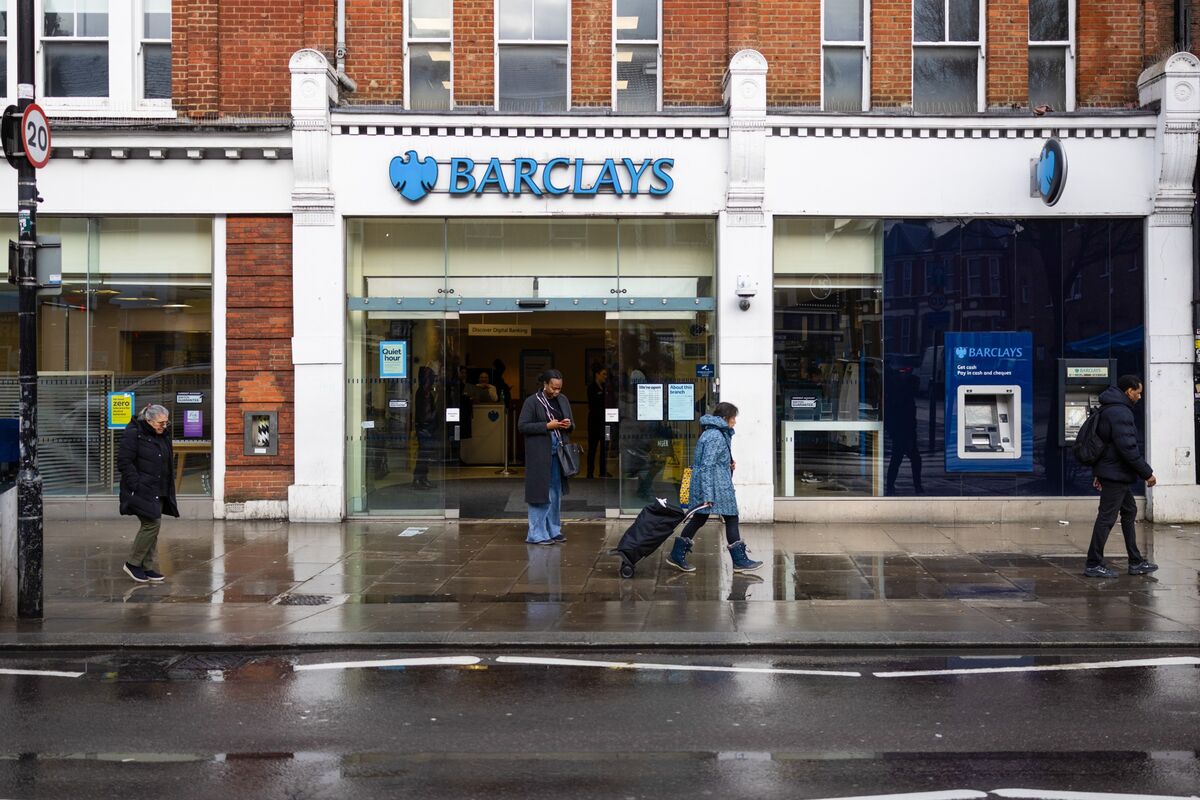
Barclays rehired Nick Fall from Goldman Sachs to become co-head of its US leveraged finance capital markets business alongside Alex Ranson, with Fall starting at the end of June and based in New York. He will report to Ben Burton, Barclays’ global head of leveraged finance capital markets. The hire pairs experienced senior bankers from Goldman and UBS, bolstering Barclays’ US leveraged finance leadership and capacity for deal coverage.
Senior lateral moves in leveraged finance tend to shift mandate flow faster than traditional market-share models predict because sponsor relationships and access to CLO pipelines are sticky; a realistic outcome is low‑to‑mid‑hundreds of basis points move in US leveraged finance wallet share within 6–18 months, which translates into a mid-single-digit percentage swing to a US capital markets P&L depending on fee capture and syndication economics. To win mandates, a bank will usually trade off fee margins for increased deal flow and warehousing, raising RWA and short‑term capital usage even as origination volumes boost trading and secondary market activity.
Second‑order effects: greater origination aggressiveness feeds CLO demand and trading inventory, amplifying mark‑to‑market sensitivity to high‑yield and leveraged loan spreads; this increases earnings volatility and can rapidly swing CET1 consumption if warehoused paper isn’t syndicated promptly. Competitors can respond by matching pricing or by strategically retreating from lower‑margin deals; either reaction reshapes the fee pool and compresses industry‑wide margins, creating a window for active balance‑sheet management to net outsize returns.
Key risks and catalysts are macro‑driven: a deterioration in sponsor M&A appetite, widening CLO spreads, or a 3–6 month uptick in high‑yield defaults would quickly reverse any market‑share gains and force markdowns on held paper; conversely, a clustered set of large LBO mandates over the next 3–12 months is the clearest catalyst for meaningful revenue catch‑up. Watch quarterly guidance on pipeline commitments, syndicated loan primary calendars, and bank commentary on RWA and syndication velocity as 30‑90 day readouts that will reprice expectations.
AI-powered research, real-time alerts, and portfolio analytics for institutional investors.
Overall Sentiment
neutral
Sentiment Score
0.05
Ticker Sentiment
