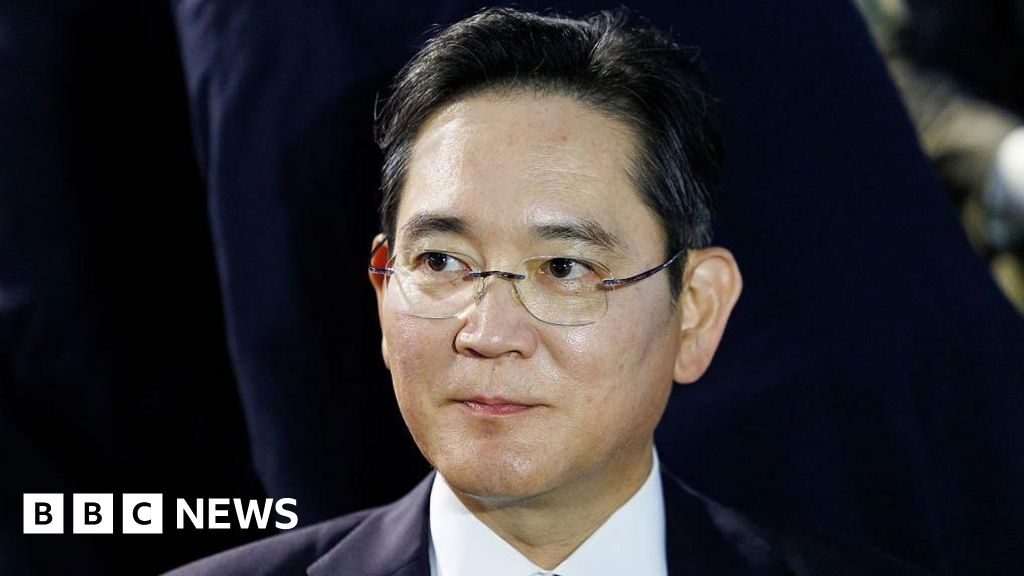
Samsung’s founding family has completed payment of a record 12 trillion won ($8bn) inheritance tax bill, the largest settlement of its kind in South Korea. The tax was paid in six installments over five years following Lee Kun-hee’s death in October 2020, and the family said paying taxes is a natural duty of citizens. The article also notes the family’s wealth has more than doubled over the past year, supported by AI-driven demand for Samsung Electronics chips.
The most important market implication is not the tax payment itself but the signaling effect: the Lee family has de-risked the succession overhang that has historically discounted Samsung equities versus global peers. That matters because conglomerate governance discount in Korea is partly about capital allocation uncertainty; once a multiyear estate liability is fully wrapped, the family has more flexibility to support strategic decisions around semicapex, cross-subsidiary coordination, and shareholder returns without the same balance-sheet or reputational drag. Second-order, this strengthens the probability that Samsung Electronics can stay aggressive in AI-related memory investment even if near-term margins wobble. In semis, the winners are the firms with the deepest pockets and longest duration—capex discipline becomes a competitive weapon only after the cycle turns; right now, balance-sheet capacity to overinvest through a downcycle is more valuable than near-term FCF optimization. Suppliers to advanced packaging, lithography, and HBM-related equipment could benefit if Samsung uses the clean slate to close technology gaps versus the market leader, while less-capitalized domestic rivals risk being squeezed if Samsung chooses to defend share rather than harvest cash. The contrarian read is that the headline may slightly overstate “better governance” as an investable catalyst; tax finalization does not automatically imply reform. The real tradeable variable is whether this reduces the family’s incentive to extract value and increases pressure to unlock the conglomerate discount through buybacks, restructuring, or a clearer holding-company architecture. If that follow-through does not emerge within 1-2 quarters, the market may fade the story and refocus on execution risk in memory and foundry. Tail risk is that any renewed regulatory scrutiny around chaebol governance or succession can re-penalize the stock, but the larger medium-term catalyst is AI memory demand and Samsung’s response function. Over 6-12 months, the path of least resistance is higher if Samsung continues to gain credibility on capex and product roadmap; the reverse case is a failed technology catch-up that turns this into a neutrality event rather than a rerating.
AI-powered research, real-time alerts, and portfolio analytics for institutional investors.
Request DemoOverall Sentiment
neutral
Sentiment Score
0.08
