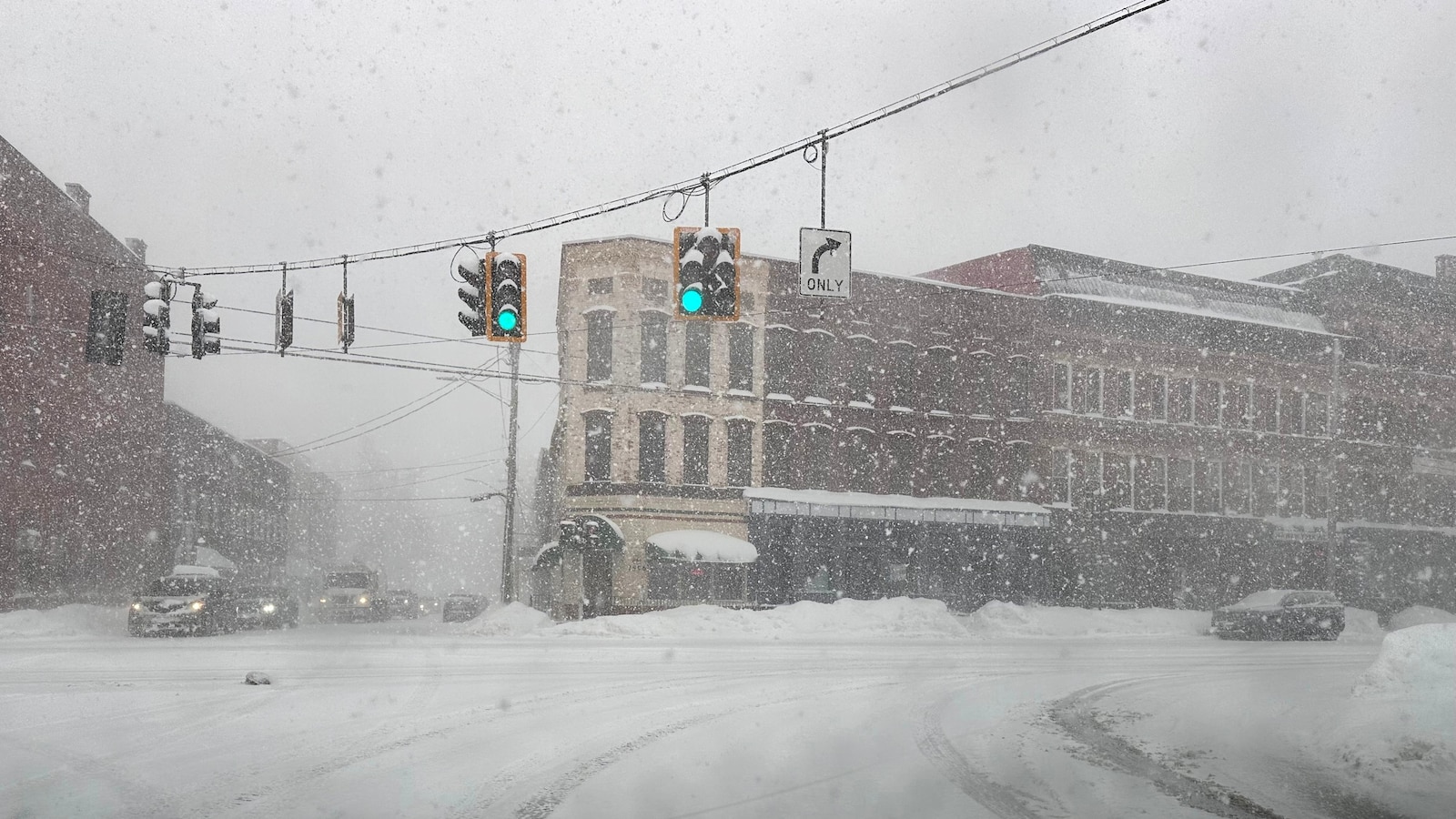
A multi-day winter storm is triggering widespread flight disruptions and cancellations, with American Airlines canceling more than 1,200 departures for a single day while adding over 3,200 extra seats at Dallas-Fort Worth. U.S. carriers must provide full refunds (even for nonrefundable tickets) and refund unused ancillaries; the DOT requires refunds within seven business days for credit-card purchases and 20 calendar days for cash/check. Airlines may waive change fees and rebook passengers, but are not required to cover meals or lodging for weather-related (uncontrollable) disruptions; the situation increases short-term operational costs and customer-service strain for airlines though it is unlikely to be materially market-moving.
Market structure: Weather-driven cancellations create a short, concentrated revenue hit for hub-dependent carriers (American Airlines - AAL worst hit; >1,200 cancellations cited) while point-to-point low-cost carriers (Southwest LUV) and alternative modes (rail/car) see relative demand resilience. Expect 1–3% weekly RASM downside for heavily affected carriers in the impacted regions and localized seat scarcity followed by a quick demand rebound once ops normalize; ancillary fees and unused upgrades create direct cash refunds and margin pressure this week.
Risk assessment: Tail risks include regulatory escalation (DOT could extend compensation rules within 3–6 months), cascading operational shocks from crew-duty and maintenance bottlenecks, and credit-spread widening; weaker airline credit spreads could move +50–150bps over 1–8 weeks if cancellations amp. Hidden dependencies: interline rebooking limits and partner availability can amplify load-factor losses; catalyst timeline hinges on storm duration and follow-on crew/aircraft displacement over 7–21 days.
Trade implications: Near-term implied volatility for airline equities will spike; actionable plays favor short, short-dated directional and relative-value trades versus buying long-term recovery exposure. Prefer short AAL via 2–6 week put-spreads and a pair trade long LUV/short AAL to capture share-shift; consider buying 1–3 month protection in high-yield airline bonds if spreads gap out >75bps.
Contrarian angle: Market often overstates transitory weather as structural demand loss — historical storms saw equity drawdowns recover within 4–8 weeks as pent-up travel resumed. If AAL equity falls >10% on storm news, consider staging a 3–6 month call-calendar or buying discounted unsecured debt selectively; monitor DOT guidance over next 30–60 days as the binary catalyst that could permanently reprice airline economics.
AI-powered research, real-time alerts, and portfolio analytics for institutional investors.
Request DemoOverall Sentiment
mildly negative
Sentiment Score
-0.25
Ticker Sentiment
