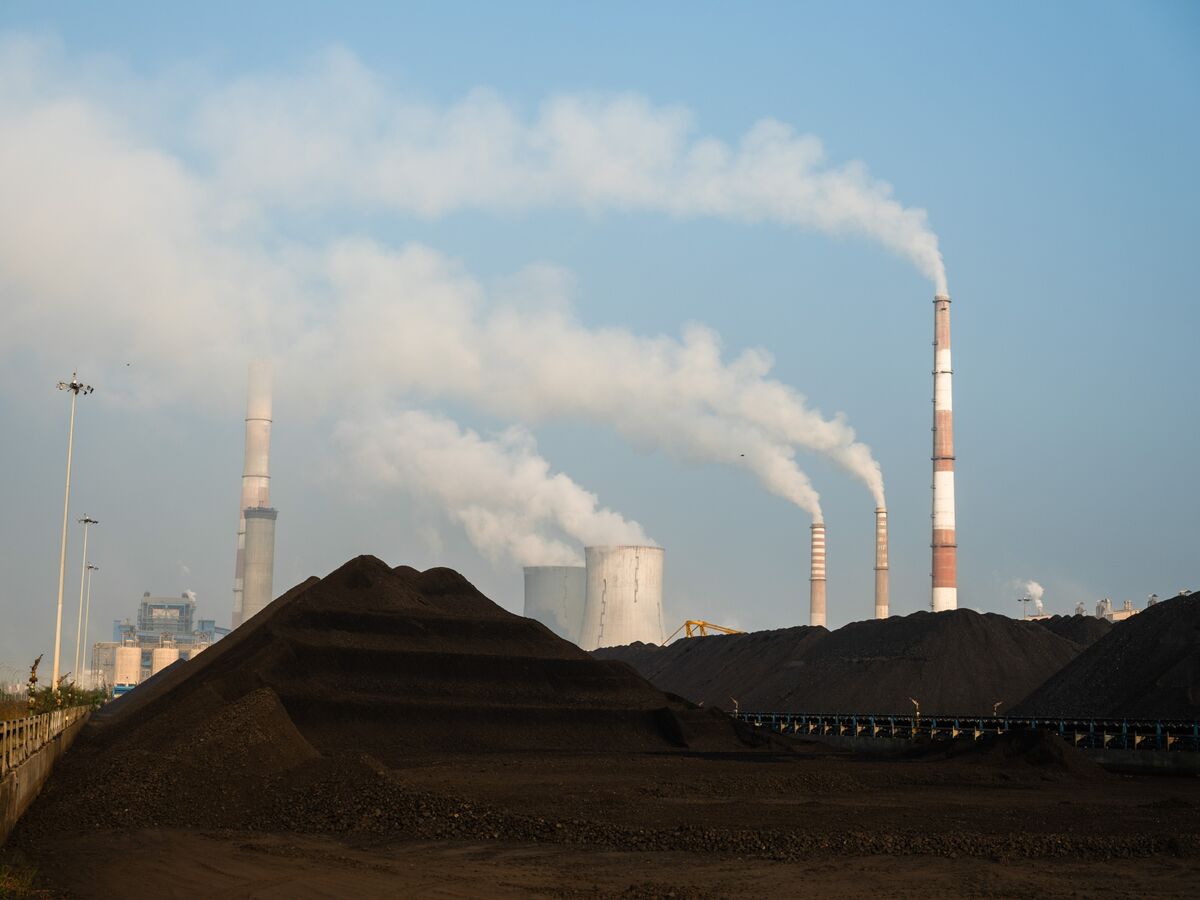
A deepening conflict in the Persian Gulf has disrupted oil and gas supplies, prompting top consumers—especially in Asia—to increase coal use and reversing progress on decarbonization. The supply shock is likely to push oil and gas prices higher and materially boost coal demand, raising emissions and exacerbating energy-security and supply-chain risks. Domestic self-reliance trends and faltering transition programs are amplifying the shift back to dirtier fuels.
The immediate market mechanic is a fuel-switch shock: when gas availability or price dislocations remove the marginal kilowatt, thermal coal — with idled supply chains and short restart cycles in miners and rail — becomes the fallback. Given existing seaborne logistics constraints, even a modest incremental Asian thermal demand (order-of-magnitude: single-digit Mt/month) can amplify Newcastle spot by multiples within 1–3 months because freight and port capacity create a supply-inelastic bottleneck.
Secondary beneficiaries extend beyond miners. Higher thermal volumes raise dry-bulk freight and rail carload utilization, boosting carriers' pricing power and free cash flow within a single seasonal cycle; meanwhile, utilities with long-term coal-fired baseload and firms owning coal stockpiles realize outsized margin improvement, compressing working capital risk. Conversely, gas-centric generators and LNG buyers face margin squeeze and potential demand destruction, which feeds back into shorter-term gas contract re-negotiations and price volatility.
Catalysts that can reverse the trade cluster by time-horizon: days–weeks for geopolitics (shipping lane incidents or ceasefires), months for LNG supply additions and Chinese policy pivots (LNG imports, coal release policies), and 6–24 months for structural policy responses (accelerated renewables procurement, carbon-market interventions). The market is underpricing logistics/regulatory risk: miners can show large incremental cash conversion quickly, but regulatory clampdowns or fast-track renewables procurement could cap upside within 6–12 months, creating a skewed payoff that favors tactically capped long exposure rather than open-ended carry positions.
AI-powered research, real-time alerts, and portfolio analytics for institutional investors.
Overall Sentiment
mildly negative
Sentiment Score
-0.35
