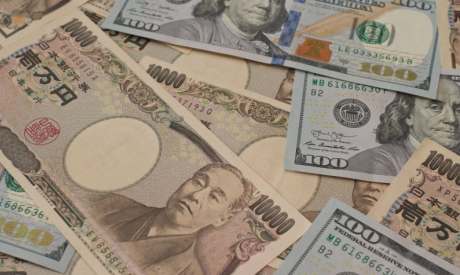
The dollar finished firmer after a stronger-than-expected US nonfarm payrolls print, but gains were pared as a Nasdaq-led risk-off move pressured commodity FX (AUD, NOK) and US yields reversed. Market attention is on today’s US CPI (consensus core YoY 2.5% vs prior 2.7%) which, if showing slowing core inflation, could preserve scope for Fed cuts later this year despite pared-back near-term cut expectations. In Japan the yen has rebounded (USD/JPY fell to 152.27) and ultra long JGBs recovered after election-driven fiscal fears eased, while hawkish BoJ comments and pricing for ~18bp of April hikes keep upside on rates possible. Reports that the US administration may roll back some steel/aluminium tariffs could further ease inflationary pressures and influence currency and rate trajectories.
Market structure: Near-term winners are safe-haven JPY and long-duration bonds if US CPI comes in softer than recent NFP-driven repricing; losers are cyclical commodity FX (AUD, NOK) and US tech names sensitive to real-rate moves. Tariff rollback signals lower input-price inflation over H2, increasing pricing power for US retailers and import-heavy consumer discretionary while compressing margins for domestic producers protected by tariffs. Cross-asset flows: a soft CPI → lower US yields (-20–40bp), weaker USD (~2–4%), equity multiple expansion in cyclicals, and reduced realised vol in FX; a hot CPI produces the opposite and re-prices Fed cuts out of H1.
Risk assessment: Tail risks include sudden tariff reversals or escalation (high-impact consumer price shock), unexpected BoJ rapid normalization (JPY gap risk), and US political shocks ahead of midterms that could amplify volatility. Immediate (days) hinge on the CPI print and option skew; short-term (weeks-months) is dominated by Fed pricing and tariff policy headlines; long-term (quarters) by structural wage/productivity trends. Hidden dependencies: currency positioning is crowded (large short-JPY) and US tech concentration means equity volatility can cascade into FX and rates. Catalysts: CPI <2.5% YoY and whitehouse signals on tariff exemptions accelerate USD weakness; BoJ comments or intervention can trigger JPY squeezes.
Trade implications: Implement asymmetric FX exposure: buy JPY via options to limit carry costs while being long duration Treasuries if CPI softens. Pair trades: short AUD/USD vs long JPY; rotate equity exposure from high-P/E tech to retailers/industrials that benefit from lower import tariffs (WMT, HD). Options: use 3-month USD/JPY put spreads and CPI-event straddles on US rates to monetize skew and limit downside. Time entries around CPI release (24–72h window) and size conservatively given crowded positioning.
Contrarian angles: Consensus tightens Fed cuts — overlooked is tariff rollback which materially lowers H2 inflation and reopens path for multiple cuts, implying USD downside is underpriced beyond 3 months. JPY short-covering remains a structural squeeze risk: if BoJ signals a faster hike cycle, USD/JPY can move 6–10% quickly; current positioning suggests this move is under-anticipated. Finally, tech-driven risk-off days that lower nominal yields can paradoxically support growth cyclicals via cheaper financing — a non-linear repricing to exploit with pair trades.
AI-powered research, real-time alerts, and portfolio analytics for institutional investors.
Request DemoOverall Sentiment
mixed
Sentiment Score
0.08
