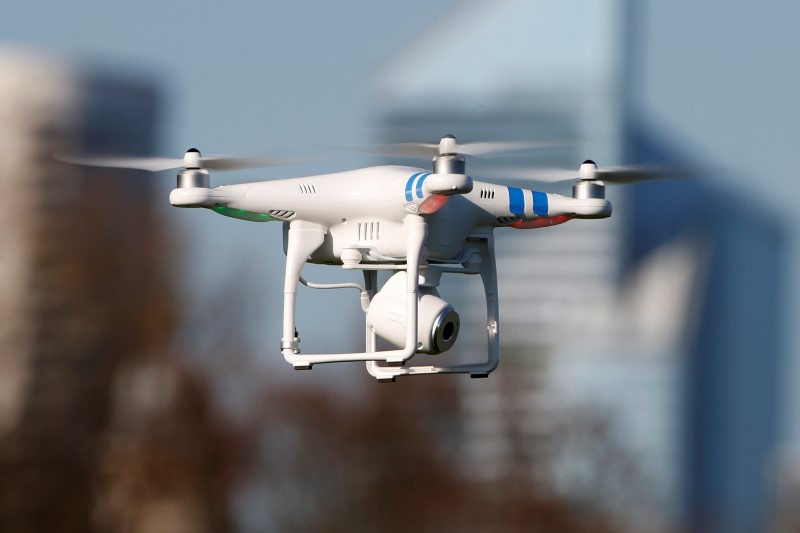
An Amazon Prime Air MK30 delivery drone severed an internet cable in Waco, Texas on Nov. 18 while ascending after a delivery; video shows the drone shearing the line before executing what Amazon termed a safe contingent landing. The FAA has opened a probe and the NTSB is aware but not investigating; Amazon said there were no injuries or widespread outages, paid for repairs and apologized. The incident, coming after a separate Prime Air crash probe in Arizona, raises incremental regulatory and operational risk for Amazon's drone program and could temper near-term optimism about autonomous delivery rollouts.
Market structure: The direct loser is AMZN’s logistics/robotics narrative — OEMs and operators of last-mile drones face higher compliance costs and insurance premiums; incumbents in traditional parcel delivery (UPS, FDX) stand to gain pricing power for ground delivery in the near term. Expect localized demand shift away from experimental drone deliveries for 3–12 months while capital deployment to Prime Air is re-evaluated; component suppliers (motors, guidance) may see order deferrals reducing near-term revenue by mid-single digits for small suppliers. Cross-asset: expect a modest rise in AMZN equity implied volatility (IV +20–40% intraday) with limited sovereign bond or FX impact; short-dated tech puts and skew should widen, pushing higher option spreads.
Risk assessment: Tail risks include an FAA directive grounding Prime Air or a multistate civil suit that triggers a 5–15% hit to AMZN market cap; probability low but impact concentrated within 30–90 days. Immediate reaction (days) is headline-driven; short-term (weeks–months) risk is regulatory scrutiny and insurance repricing; long-term (quarters–years) risk is slower drone adoption, shifting CAPEX from deployment to compliance. Hidden dependencies: AMZN’s logistics moat partially rests on operational reliability and regulatory goodwill—repeat incidents materially raise cost of capital for drone projects and third-party partner contracting.
Trade implications: Tactical plays: 1) a hedged directional short on AMZN equity via a 3-month 5–10% wide put spread sized to 0.5–1.0% portfolio risk to capture IV and headline downside; 2) relative value long UPS (1–2% overweight) vs short AMZN (equal notional) for 1–3 month horizon to capture re-routing of volume; 3) buy short-dated ATM puts if AMZN gaps down >2% within 5 trading days or if FAA opens formal investigation — exit on resolution or after 90 days. Rotate modestly out of drone/robotics small-caps into defensives until regulatory clarity arrives (re-balance after FAA/NTSB statements).
Contrarian angles: The market may over-penalize AMZN: AWS and e‑commerce revenue streams are insulated and would require sustained regulatory action to justify deep cuts; a 3–7% pullback could be an asymmetric buying opportunity for patient capital. Historical parallels (early autonomous vehicle incidents) show intense short-term scrutiny followed by normalized adoption and stock recovery within 6–18 months; downside is overstated if no grounding order occurs. Unintended consequence: heavy-handed regulation could entrench UPS/FDX and large integrators, accelerating consolidation in logistics and benefiting established carriers.
AI-powered research, real-time alerts, and portfolio analytics for institutional investors.
Request DemoOverall Sentiment
mildly negative
Sentiment Score
-0.25
Ticker Sentiment
