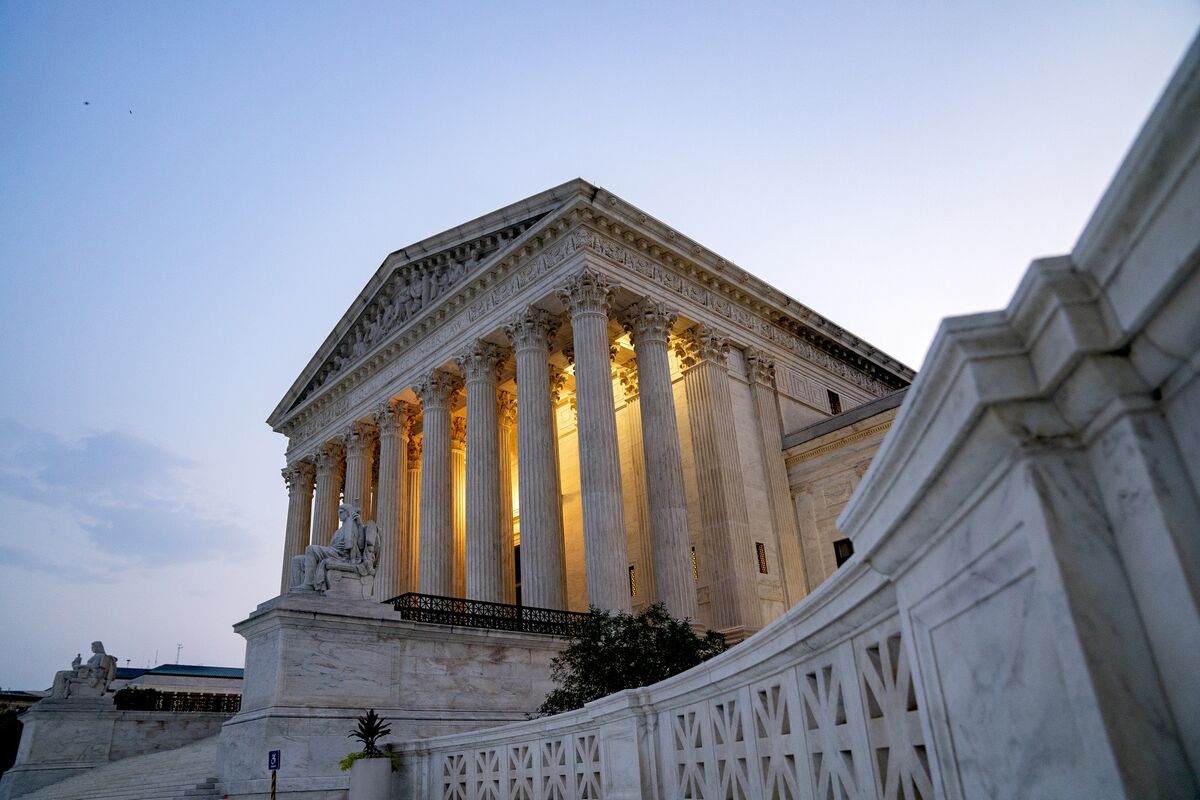
The U.S. Supreme Court, which has previously accommodated Donald Trump's assertions of broad presidential power by temporarily lifting numerous rulings, is set to face significant tests in its new term. The court will address fundamental legal questions concerning the president's authority on global tariffs, control over independent regulatory bodies such as the Federal Reserve, and efforts to restrict birthright citizenship, potentially redefining executive power and influencing economic and regulatory policy.
The U.S. Supreme Court is positioned to deliver rulings that could significantly redefine the scope of executive power, creating substantial uncertainty for markets. While the conservative-majority court has previously accommodated the Trump administration by temporarily lifting approximately 20 lower court rulings, the upcoming term will address the fundamental legality of these executive actions. The key cases involve presidential authority to impose global tariffs, exert control over independent regulatory agencies like the Federal Reserve, and alter birthright citizenship rules. The outcomes of these legal challenges, particularly those concerning trade and central bank independence, carry a high market impact score of 0.7, signaling the potential for significant disruption to global trade policy, supply chains, and the stability of U.S. monetary policy. The current situation is one of heightened political and legal risk, with the court's decisions poised to establish new precedents for executive authority with direct economic consequences.
AI-powered research, real-time alerts, and portfolio analytics for institutional investors.
Request DemoOverall Sentiment
neutral
Sentiment Score
0.00
