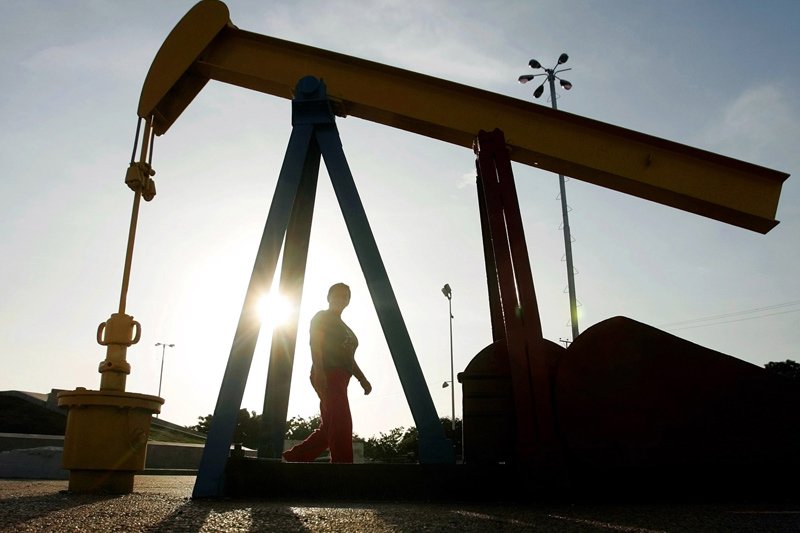
John Addison, Vitol’s top U.S. gasoline trader, plans to retire after leading the firm’s refined products trading in the Americas. Addison negotiated deals that helped Vitol sell over $1 billion of Venezuelan oil and left the firm with billions more to market following U.S. licensing; Vitol reported $343 billion in trading turnover last year, up 3.6% from 2024. He is expected to be succeeded by deputy gasoline trader Jean-Marc Monrad and will focus on politics and energy policy post-retirement.
Leadership turnover at a top physical trading house will transmit into the market via shorter-term liquidity and wider bilateral basis volatility rather than a sustained supply shock. Expect regional gasoline/diesel cracks to move in 4–10 $/bbl ranges (roughly 10–25¢/gal) intra-month as counterparties reprice counterparty and freight risk, creating near-term P&L opportunities for refiners with direct sourcing and flexible runs.
Second-order winners include large integrated refiners and those with long-term shipping charters: they can monetize wider product-crude spreads immediately, capturing on the order of $0.5–2M per day for a 100–400kbpd complex if cracks widen 5–10 $/bbl. Conversely, smaller independent refiners, bunkering brokers, and trade finance providers face higher collateral needs and working capital strain — expect margin calls and slower rollouts of sanctioned-origin barrels to amplify differential dynamics.
Key catalysts and time horizons: expect volatile spreads and counterpart re-contracting over days–weeks; market-share shifts and renegotiated long-term offtakes play out over 3–9 months; and a rapid policy/legal clarification (e.g., expanded licenses or diplomatic normalization) could compress spreads sharply within 30–90 days. Operational/credit events (a counterparty default or a major bank pulling trade lines) are low-probability but high-impact tail risks that could cause 20–40 $/bbl swings in stressed regional pockets.
Contrarian angle: the market will likely overshoot structural disruption claims — large trading houses historically re-staff and re-deploy capital quickly, capping the multi-quarter benefit to refiners. Tactical option-based plays to harvest elevated volatility are preferable to long-duration directional equity bets until bilateral flows and trade financing normalize.
AI-powered research, real-time alerts, and portfolio analytics for institutional investors.
Request DemoOverall Sentiment
neutral
Sentiment Score
0.00
Ticker Sentiment
