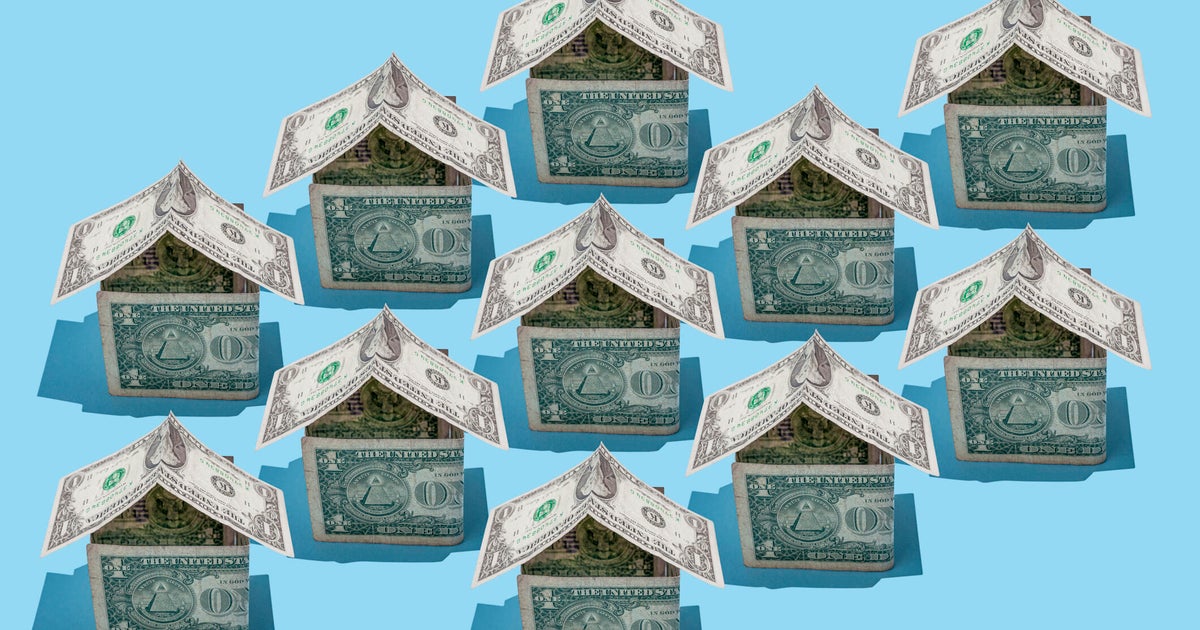
The Fed’s December rate cut—its third of the year—lowered the funds rate to 3.50%–3.75% and helped push average mortgage rates down to roughly 6.00% for a 30‑year fixed and 5.50% for a 15‑year fixed; markets repriced quickly and 30‑year loans are materially cheaper than earlier in 2025. On a $500,000 mortgage the current monthly principal-and-interest payments are about $2,997.75 (30‑year) and $4,085.42 (15‑year), vs. $3,339.96 and $4,292.57 in January 2025—roughly $342/month (≈$4,106/year) saved on a 30‑year loan—freeing household cash flow and likely supporting housing demand. Looking ahead, markets price roughly one additional cut in 2026 but the outlook is uncertain: inflation remains above target, data flow has been disrupted, Chair Powell has signaled a “wait and see” stance and his term ends in May 2026, any of which could alter the path for rates and mortgage affordability.
The Federal Reserve's December rate cut — the third of 2025 — brought the federal funds rate to a 3.50%–3.75% range and contributed to a rapid repricing in mortgage markets; average 30‑year fixed rates are now ~6.00% and 15‑year fixed ~5.50%. For a $500,000 loan the article cites monthly principal-and-interest payments of $2,997.75 (30‑year) and $4,085.42 (15‑year), materially lower than January's $3,339.96 and $4,292.57 respectively.
Compared with January 2025, a borrower locking today would save roughly $342 per month (≈$4,106 annually) on a 30‑year loan and $207 per month (≈$2,486 annually) on a 15‑year loan; savings versus August 2024 are smaller but still meaningful (≈$172/month on a 30‑year). Those cash‑flow improvements are likely to support housing demand and relieve pressure on household budgets that faced 7%+ mortgage peaks earlier in the year.
Outlook remains conditional: markets price roughly one additional cut in 2026 but the Fed signaled a “wait and see” stance, inflation remains above the 2% target, recent data flow was disrupted by a government shutdown, and Chair Powell’s term ends in May 2026. Any persistence or resurgence of inflation, or a change in leadership/stance, could pause or reverse rate easing and quickly erode the current affordability gains and related asset repricing.
AI-powered research, real-time alerts, and portfolio analytics for institutional investors.
Request DemoOverall Sentiment
mildly positive
Sentiment Score
0.35
