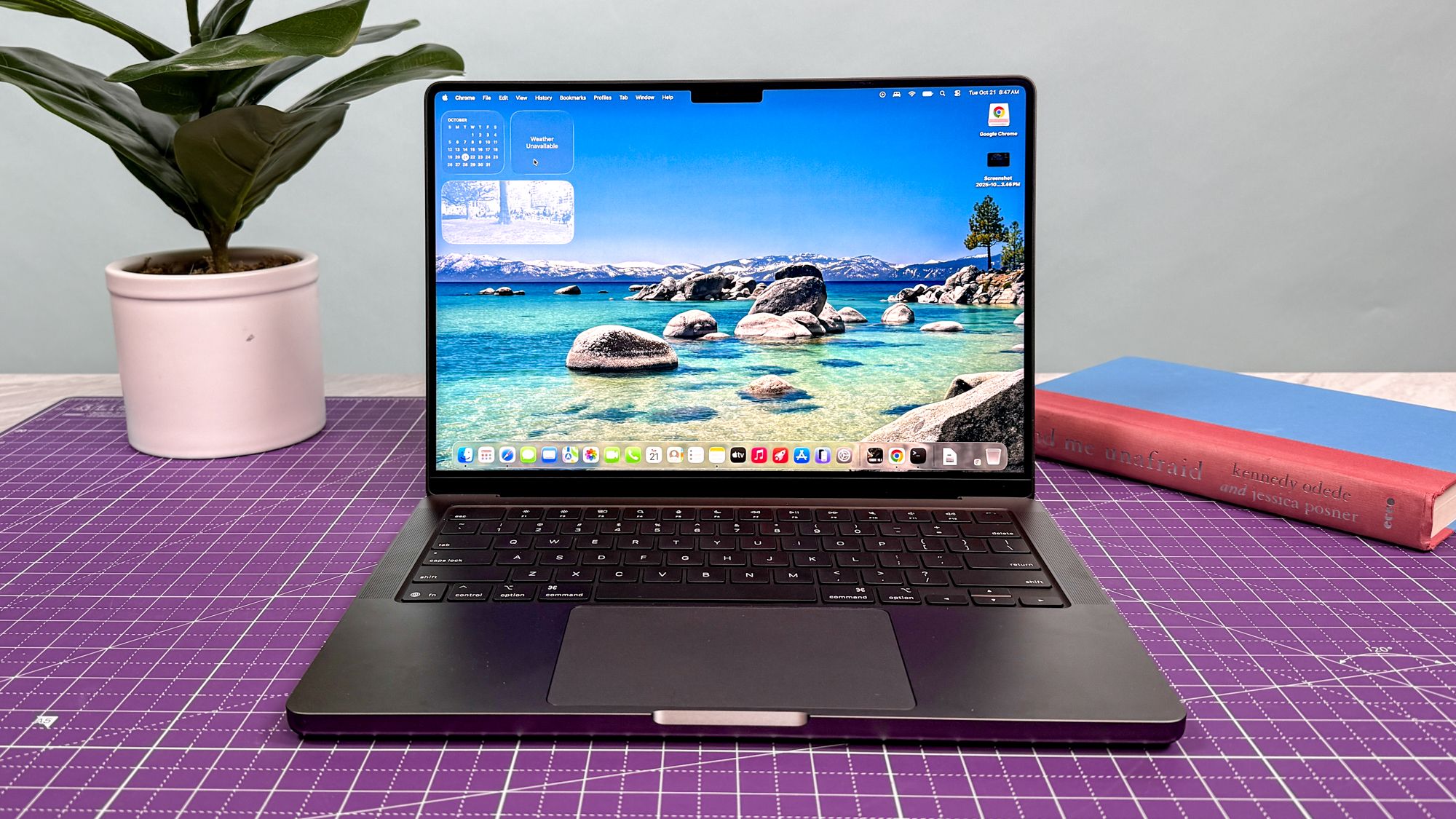
Apple is expected to refresh MacBook Pro models with M5 Pro and M5 Max as early as the week of March 2, likely tied to the public release of macOS Tahoe 26.3, alongside an M5 MacBook Air and updated Mac Studio/Studio Display products. The writer forecasts a cheaper MacBook using the A18 Pro chipset to headline WWDC in June and an M6 MacBook Pro with OLED in the fall, noting existing tight supply of M4 Pro MacBook Pros; these product cycles could lift hardware demand, affect component suppliers and channel inventory dynamics, and intensify competition with lower‑cost Windows laptops and premium Chromebooks.
Market structure: Apple (AAPL) is the primary beneficiary — March M5 Pro/Max launches plus a cheaper A18 Pro-based MacBook in June should boost unit volumes, ecosystem lock‑in and services ARPU; expect a 3–8% seasonal lift in sell‑through vs a flat quarter if supply holds. PC OEMs (HPQ, DELL) and Chromebook makers face margin pressure at the low end while OLED panel suppliers (Samsung Display) and foundries (TSM) stand to gain from higher ASP component orders. Short-term inventory tightness (M4 Pro backorders) implies demand > supply for core SKUs, supporting vendor leverage on lead times and near‑term pricing.
Risk assessment: Tail risks include Taiwan/TSMC geopolitics or OLED yield issues delaying the A18 MacBook (low probability, high impact) and antitrust scrutiny in US/EU that could constrain bundling/service monetization. Immediate (days) risks are event‑driven IV spikes and order‑flow volatility; short term (weeks/months) hinges on WWDC messaging in June; long term (quarters) depends on M6/OLED rollout and margin mix as cheaper units scale. Hidden dependencies: Apple’s launches are synchronized to macOS releases (Tahoe 26.3) and component allocation — a supplier miss cascades to multiple SKUs.
Trade implications: Tactical directional: AAPL should outperform peers into March and again into WWDC; consider concentrated but size‑controlled exposure ahead of those dates while using defined‑risk options to cap drawdowns. Relative value: long AAPL vs short HPQ/DELL to capture channel share shift; thematic longs: TSM (foundry) and Samsung Display suppliers for H2 2026 OLED and A18 demand. Volatility strategies: sell premium into post‑event IV crush or buy debit call spreads to limit theta loss around launches.
Contrarian angles: Consensus ignores ASP compression risk — a sub‑$700 A18 MacBook could cannibalize M3/M4 Air sales and compress quarterly gross margin by 100–200bps if scaled rapidly. Conversely, the market may underprice component winners (TSM, panel makers) where revenue upside is multi‑quarter and less correlated to Apple’s stock moves. Historical parallel: iPhone SE drove units but lowered handset ASPs; expect similar unit growth + temporary margin hit here. Unintended consequence: stronger Mac unit growth could materially lift services retention, offsetting hardware margin pressure over 4–8 quarters.
AI-powered research, real-time alerts, and portfolio analytics for institutional investors.
Request DemoOverall Sentiment
mildly positive
Sentiment Score
0.35
Ticker Sentiment
