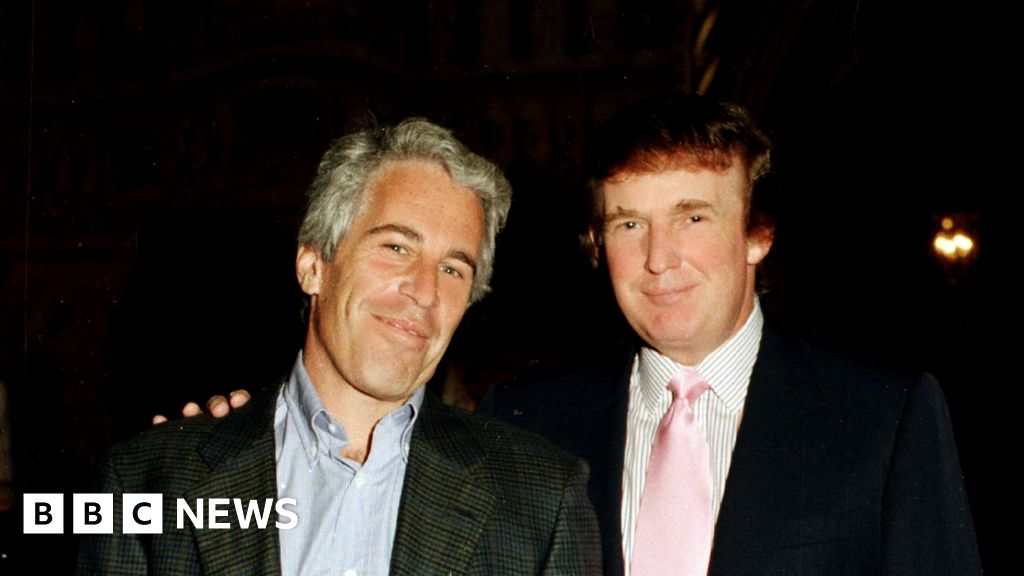
The Department of Justice's release of heavily redacted Jeffrey Epstein-related files failed to satisfy key segments of the MAGA coalition, prompting public backlash from influencers and some Republican figures worried about Trump’s fragile new-voter base. Congressional pressure is mounting — Rep. Thomas Massie and Rep. Ro Khanna are pushing for greater transparency and potential contempt actions against Pam Bondi — while the DOJ's deputy attorney general has pledged hundreds of thousands more documents before year-end, creating a politically volatile backdrop that could heighten election- and policy-related risks ahead of the 2026 cycle.
Market structure: The redacted Epstein release increases demand for alternative narratives while reducing supply of decisive evidence, concentrating eyeballs and ad dollars toward platforms that can reliably monetize controversy. Winners: large, diversified ad platforms (GOOGL, META) and legacy cable news (FOXA) that capture reallocated political ad spend and engagement; losers: niche/social-native outlets (SNAP, X-equivalents) that depend on influencer-driven, volatile traffic. Cross-asset: expect short-lived VIX upticks around document drops, small USD-softening and marginal gold inflows (GLD) if midterm uncertainty rises by 10–30 bps in risk premium.
Risk assessment: Tail risks include a high-impact DOJ or congressional revelation that reignites large-scale advertiser boycotts or legal action against public companies’ executives (low probability, high impact). Time horizons: immediate (days) — VIX and social-media sentiment spikes; short-term (weeks–months) — ad revenue reallocation and engagement shifts; long-term (quarters) — durability of a fractured MAGA base affecting 2026 political ad markets. Hidden dependency: advertisers’ sensitivity to platform safety metrics (CTR, brand-safety blocks) will accelerate reallocations faster than political polling.
Trade implications: Tactical plays: 1) establish a 2–3% long position in GOOGL and 2–3% long in META for 3–6 months to capture ad-share gains, funded by a 1–2% short in SNAP; 2) buy 1–3 month VXX or VIX call exposure (size 0.5–1% portfolio) ahead of promised DOJ drops to hedge event risk; 3) add 1–2% GLD as tail-risk hedge if DOJ revelations expand political uncertainty >20 bps. Use 3–6 month call spreads on GOOGL/META to cap downside while keeping upside exposure.
Contrarian angles: The market underestimates reallocation to FAAMG; if X/influencer monetization falters, ad dollars will disproportionately benefit GOOGL/META — consensus is underweight that flow. Reaction may be overdone on SNAP/X sensitivity; short positions should be size-limited and paired with protective options. Historical precedent (2016–20 platform controversies) shows incumbents regain displaced ad spend within 3–9 months; cap risk with options and 1–3% position sizing.
AI-powered research, real-time alerts, and portfolio analytics for institutional investors.
Request DemoOverall Sentiment
moderately negative
Sentiment Score
-0.30
