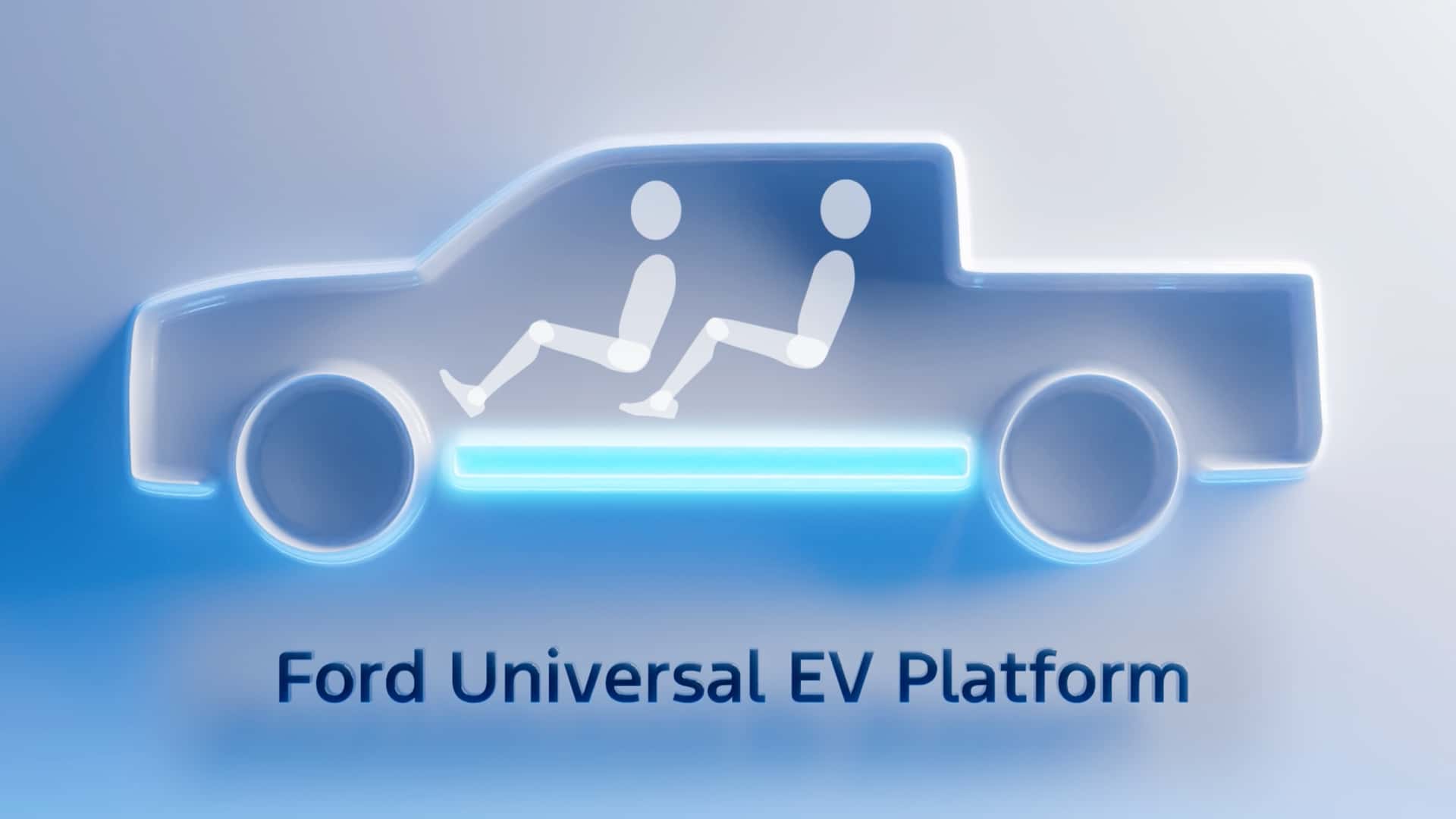
Ford plans to launch a $30,000 electric midsize pickup truck in 2027, a strategic move aimed at disrupting the U.S. auto market by introducing an affordable EV. This initiative is underpinned by a new "Universal EV Platform" and "Universal EV Production System," designed to radically cut costs and enhance manufacturing efficiency through innovations like U.S.-made lithium-iron phosphate (LFP) batteries and a novel "assembly tree" production technique. CEO Jim Farley emphasizes a focus on reinventing assembly lines and localizing battery production, signaling a significant pivot towards scalable, profitable, and domestically-sourced electric vehicles.
Ford's announcement of a $30,000 midsize electric pickup truck slated for a 2027 launch represents a significant strategic pivot toward mass-market EV adoption and manufacturing efficiency. This initiative is underpinned by a new, modular "Universal EV Platform" designed to reduce parts by 20% and a novel "assembly tree" production system intended to cut factory workstations by 40%. These a a_id="1">innovations, explicitly benchmarked against Tesla and Rivian's successes in reducing wiring complexity and simplifying assembly, signal a fundamental overhaul of Ford's approach to EV production. Critically, the plan includes vertically integrating the supply chain by producing lithium-iron phosphate (LFP) batteries in the U.S. at its Michigan facility, a move aimed at controlling costs and mitigating reliance on imports. This strategy directly targets a gap in the U.S. market for affordable electric trucks, positioning the new vehicle to compete on price with popular internal combustion models like Ford's own Maverick and on space with top-sellers like the Toyota RAV4, thereby posing a direct threat to established market segments.
AI-powered research, real-time alerts, and portfolio analytics for institutional investors.
Overall Sentiment
strongly positive
Sentiment Score
0.75
Ticker Sentiment
