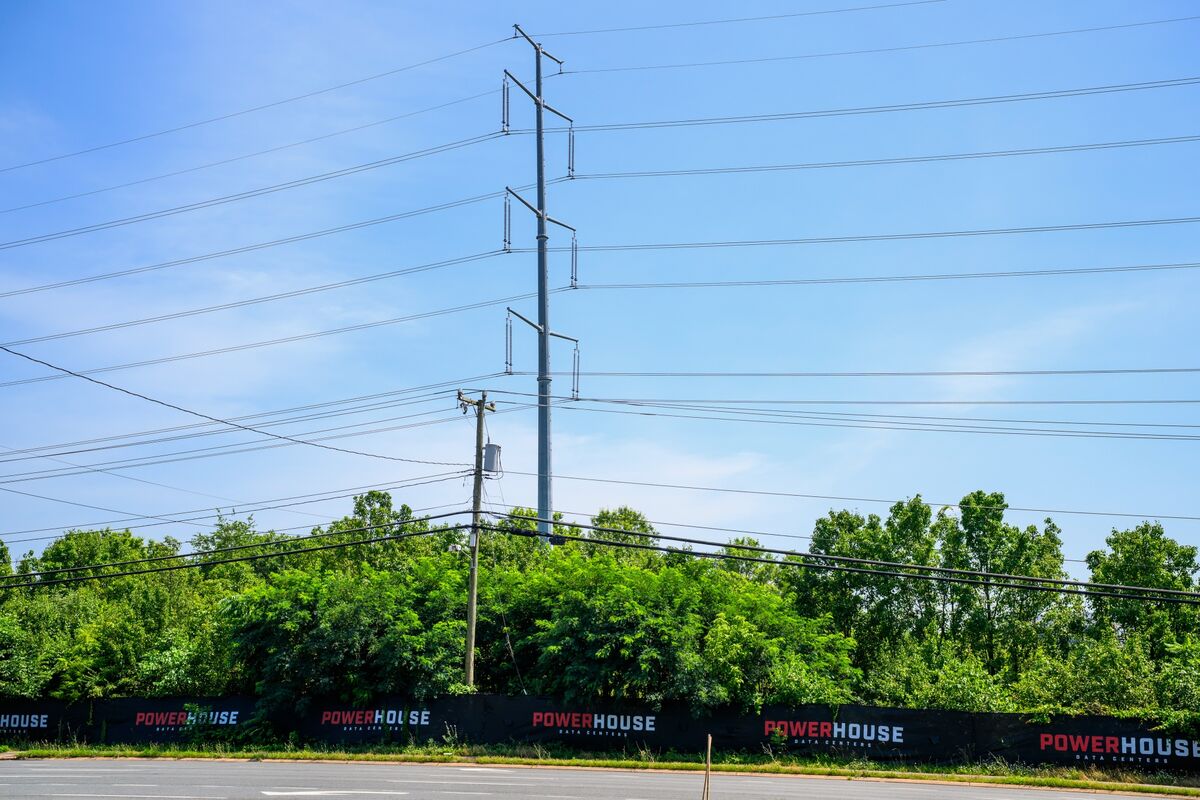
At a recent major US utility conference, optimism surrounding AI-related growth opportunities for the power sector was significantly dampened by widespread concerns over high power bills. This affordability issue is now perceived as a substantial threat to the realization of these AI-driven opportunities for US utilities, tempering the industry's outlook.
The US power sector's anticipated growth from Artificial Intelligence demand is significantly hampered by widespread concerns over high power bills, shifting the industry's outlook from optimistic to pessimistic. This affordability issue is now perceived as a substantial threat, directly impeding the realization of AI-driven opportunities for utilities.
The sentiment surrounding the sector is "strongly negative" with a "pessimistic" tone, indicating a significant re-evaluation of growth prospects. This negative sentiment, coupled with a moderate market impact score of 0.5, suggests that investors are factoring in the challenges posed by consumer affordability constraints on potential AI-driven revenue streams.
The confluence of "Artificial Intelligence" and "Energy Markets & Prices" themes highlights a critical tension: while AI offers substantial demand potential, its growth is now constrained by the fundamental economics of energy affordability. This dynamic could lead to slower-than-expected infrastructure development or lower-than-projected power consumption by AI data centers if costs remain prohibitive for end-users.
AI-powered research, real-time alerts, and portfolio analytics for institutional investors.
Request DemoOverall Sentiment
strongly negative
Sentiment Score
-0.60
