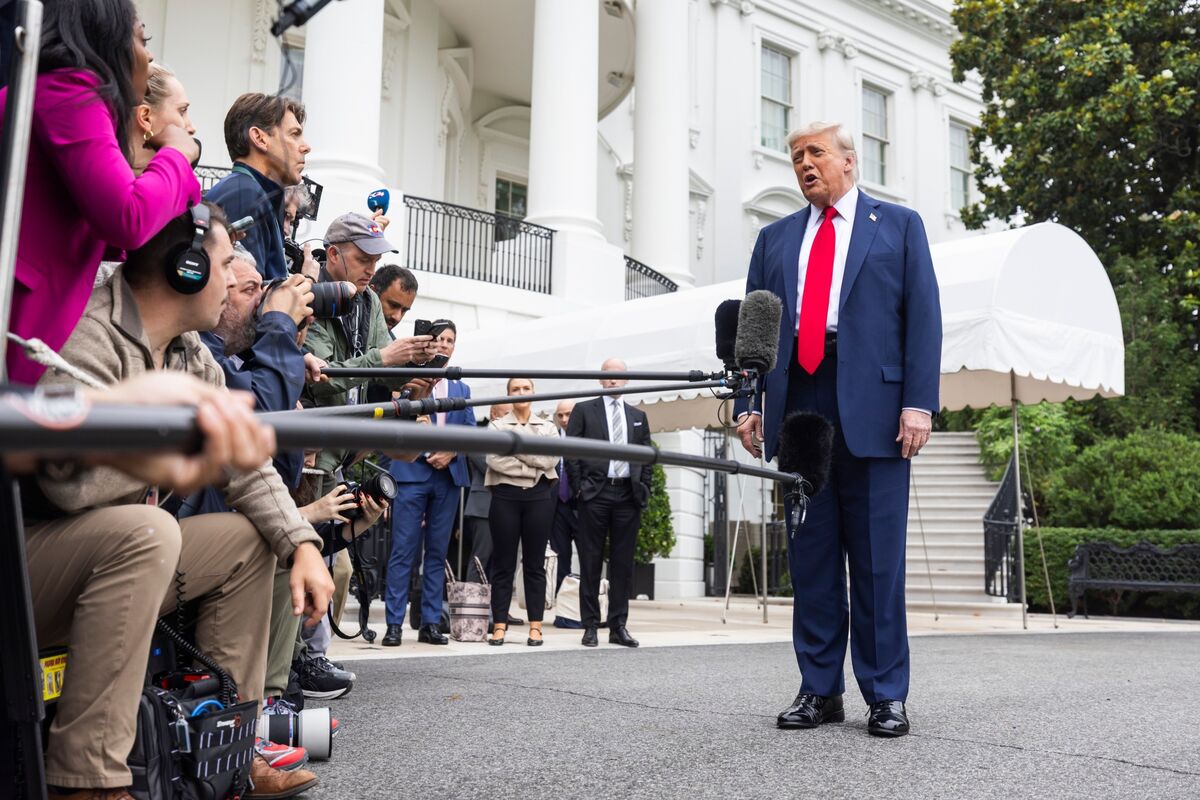
Former President Trump suggested that Israel and Iran might need to continue fighting before reaching a peace agreement, stating that "sometimes they have to fight it out." His comments, made to reporters before departing for the G7 summit, imply a potential openness to continued conflict as a precursor to eventual negotiation between the two nations.
Former President Donald Trump's statement suggesting Israel and Iran may need to "fight it out" before any peace agreement introduces a notable element of uncertainty into the geopolitical landscape of the Middle East. These comments, made prior to the G7 summit, carry a mildly negative sentiment (-0.3) and reflect an uncertain tone, as per the provided signals. While the immediate market impact score is low (0.15), such rhetoric from a prominent political figure, particularly one with a history of influencing foreign policy, can contribute to heightened perceived risk of regional instability. The themes of "Geopolitics & War" and "Elections & Domestic Politics" are pertinent, as these remarks intersect with ongoing international tensions and the domestic political context in which Trump operates. The implication that continued conflict might be a necessary precursor to negotiation suggests a potential for escalation, which could impact energy markets and assets sensitive to Middle Eastern stability, even if specific entities are not directly named.
AI-powered research, real-time alerts, and portfolio analytics for institutional investors.
Request DemoOverall Sentiment
mildly negative
Sentiment Score
-0.30
