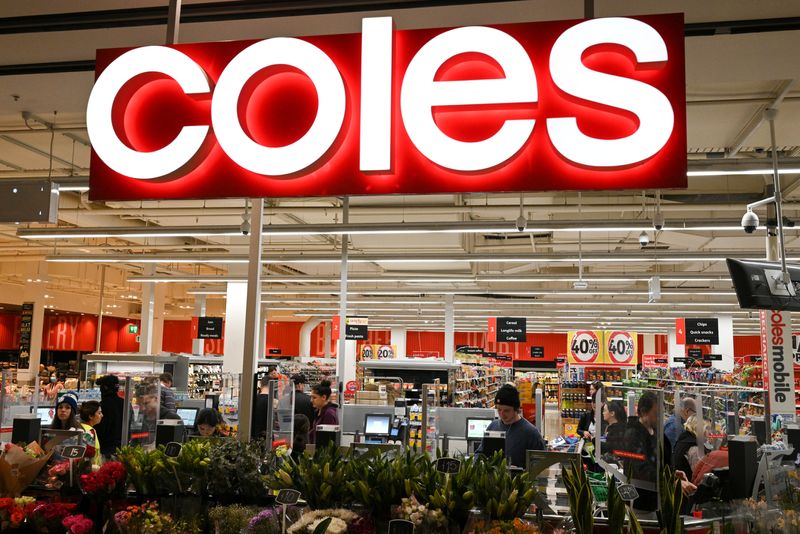
Coles was found by Australia's Federal Court to have misled customers in 13 of 14 examined "Down Down" promotions, with the ACCC alleging 245 products were temporarily marked up by at least 15% before discounting. The ruling intensifies scrutiny of pricing practices at major grocers and leaves penalties to be decided later. Coles shares fell more than 3% to A$20.490, a two-month low, while similar ACCC proceedings against Woolworths remain ongoing.
This is not just a one-off headline risk; it changes the earnings quality debate around branded grocery pricing. The bigger second-order effect is that regulators now have a roadmap for challenging “shrinkflation” and pseudo-discount mechanics across the sector, which raises the probability of remediation costs, legal provisions, and forced promo simplification over the next 1-2 reporting cycles. That tends to compress the multiple for the whole staple-retail complex because the market starts capitalizing a lower sustainable gross margin rather than treating the issue as transitory. The immediate loser is the incumbent with the most visible promotional architecture, but the more interesting winners are alternative channels and private-label-heavy competitors that can claim cleaner pricing optics. If consumers become more promotion-sensitive and less trusting of label discounts, basket migration can favor warehouse clubs, discounters, and e-commerce channels with more transparent everyday-low-price messaging. Suppliers may also get squeezed as grocers offset legal and reputational costs by demanding better trade spend terms, which can push margin pressure upstream before it shows up in retail headline numbers. The key catalyst path is legal rather than operational: penalties, injunctions, and mandated conduct changes can hit over months, while the reputational drag on traffic can persist for years if competitors frame themselves as more honest on shelf. The contrarian read is that the stock reaction may be too narrow if investors only price the fine; the real risk is that management loses flexibility in promotional cadence, which can reduce traffic conversion and raise price transparency at the same time. That said, if the ruling is quickly quarantined as a compliance issue and same-store sales remain stable, the selloff could mean-revert, especially if broad consumer weakness still favors defensive grocery exposure.
AI-powered research, real-time alerts, and portfolio analytics for institutional investors.
Overall Sentiment
moderately negative
Sentiment Score
-0.45
Ticker Sentiment
