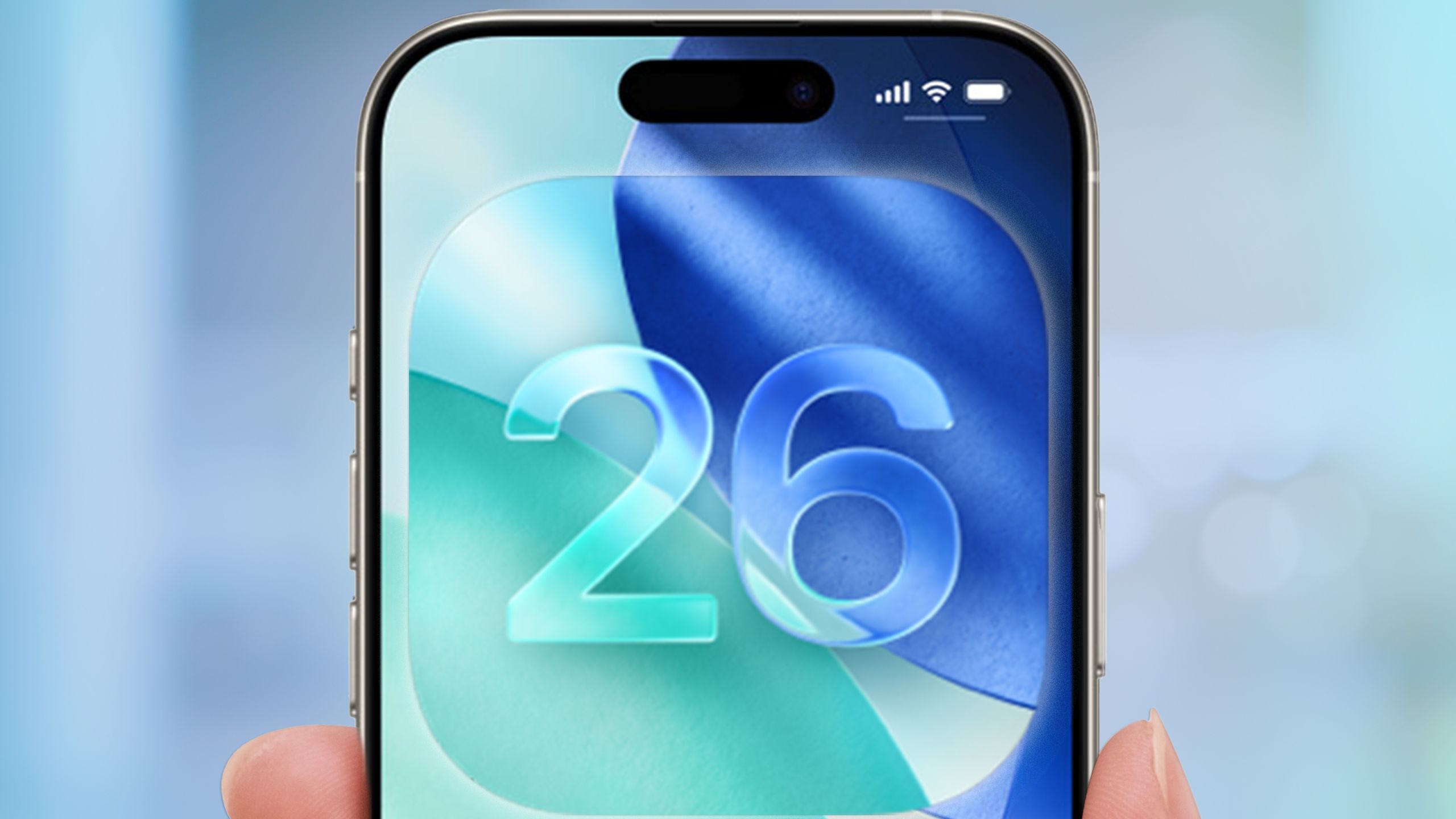
Apple's public release of iOS 26.2.1—intended to add AirTag 2 support and bug fixes—has prompted user reports of significant stability and functionality failures including app crashes, device freezes and reboots, battery drain, lost Apple Maps favorites, Face ID authentication gaps in third‑party apps, HomeKit/Control Center triggers failing, and irregular storage reporting. The scope of the problems is unclear from forum and Reddit anecdotal reports, users cannot downgrade, and Apple is already running a public beta of iOS 26.3 which may contain fixes; the development represents a reputational and potential service‑cost risk for Apple but currently appears unlikely to be broadly market‑moving.
Market structure: This is a concentrated, short-duration shock to Apple’s customer experience rather than fundamentals—direct losers are Apple (AAPL) support costs, accessory partners tied to iOS APIs, and potentially app developers if churn rises; winners are small wearables/Android competitors (e.g., GRMN) and independent repair/service chains. Expect limited market-share movement absent prolonged outages: a 1–7% hit to AAPL equity is plausible within days if bugs amplify, but pricing power and services revenue (>20% of revenue) remain intact unless issues persist past one quarter.
Risk assessment: Tail risks include a large-scale security or bricking event triggering a regulatory investigation or class action—low probability but high impact (5–15% market cap impairment). Time horizons: immediate (days) for headlines/volatility spikes, short-term (2–8 weeks) for software patch rollout (iOS 26.3), and long-term (quarters) for any reputational erosion. Hidden dependencies: third-party Face ID/HomeKit integrations and AirTag 2 ecosystem could propagate failures into enterprise/IoT vendors; watch developer support tickets and App Store rating drops.
Trade implications: Use tactical hedges and event-driven positions: buy short-dated protection around iOS 26.3, size hedges small (0.5–1% portfolio) and unwind on successful beta/stable release within 30–45 days. Relative value: consider small, conditional long in GRMN (0.5–1% weight) vs short AAPL if user complaints materially affect wearable connectivity metrics; otherwise avoid large structural shorts. Monitor IV spikes—sell premium via defined-risk iron condors only if 30-day AAPL IV > realized by >25%.
Contrarian angles: The market tends to overreact to iOS bugs; historical analogs (past iOS rollouts) show recovery within 2–6 weeks after patches—so knee-jerk selloffs >3% are buying opportunities. Consensus is missing the fact that services and installed base monetize regardless of minor OS instability; if AAPL falls 7–10% on this news, accumulate for a 6–12% bounce over 1–3 months assuming iOS 26.3 fixes issues.
AI-powered research, real-time alerts, and portfolio analytics for institutional investors.
Request DemoOverall Sentiment
moderately negative
Sentiment Score
-0.45
Ticker Sentiment
