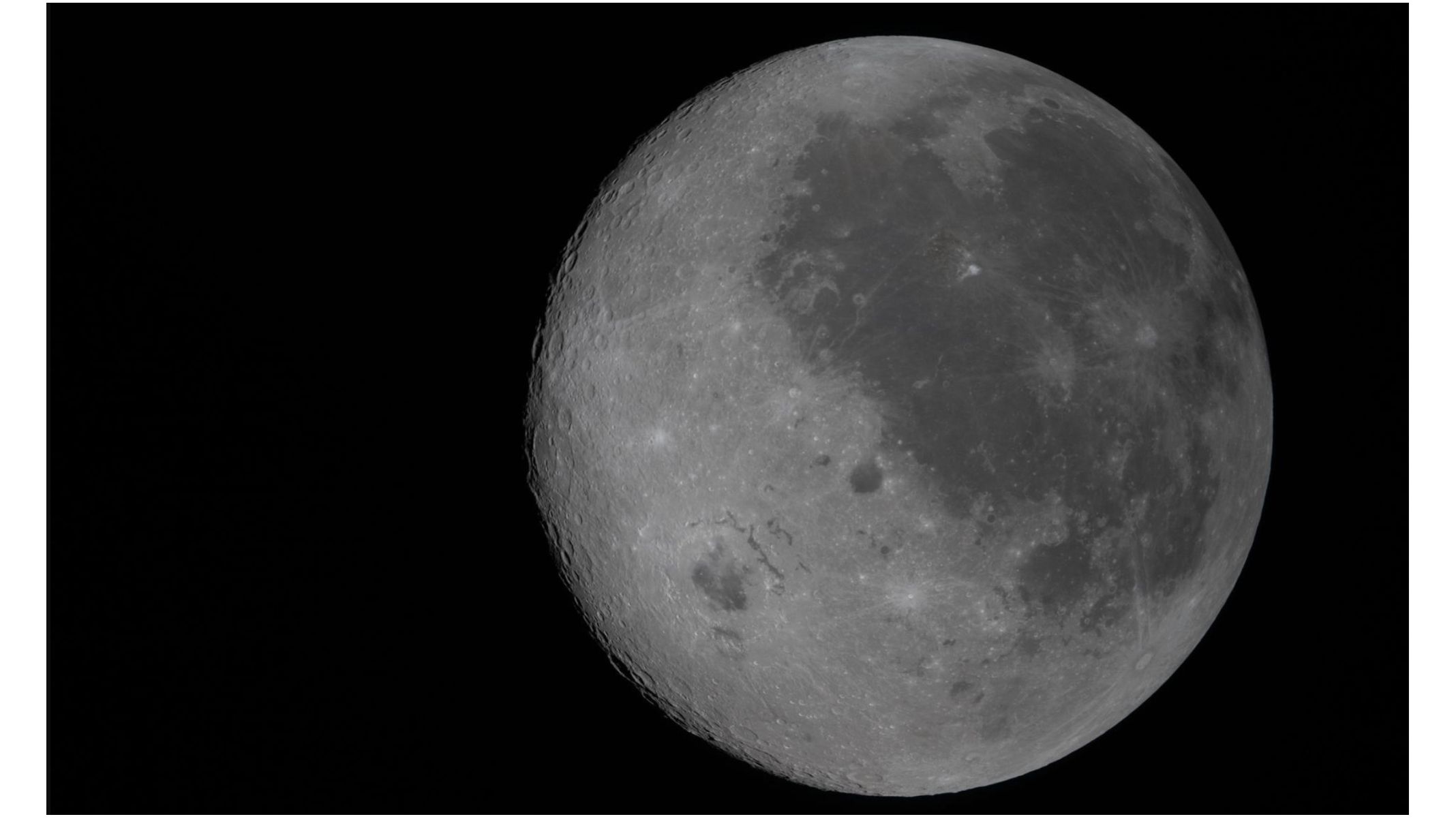
Artemis 2 set a new human distance record, reaching ~252,756 miles (406,771 km) from Earth during a nearly seven-hour lunar flyby after launching April 1; closest approach was ~4,067 miles (6,545 km) above the lunar surface. The crew conducted targeted science (Orientale Basin observations), captured imagery with 32 cameras, observed a ~53-minute total solar eclipse, and will splash down off San Diego on April 10. Near-term market impact is minimal, but the successful demonstration and timeline (Artemis 3 targeted 2027, Artemis 4 late 2028) support continued NASA program funding and potential long-term upside for aerospace/defense suppliers.
The Artemis 2 human flyby materially de-risks the political and programmatic narrative for sustained crewed lunar activity, shifting conversations from “if” to “how fast.” That favors large, diversified primes and niche suppliers with long lead times for radiation-hardened electronics, precision optics and deep‑space comms — product categories where backlog converts to steady revenue over multi-year contract cycles (6–36 months) rather than single mission lumps.
A second‑order beneficiary is space infrastructure: upgrades to Deep Space Network, optical communication ground stations and mission-specific instrumentation create recurring procurement windows for firms that sell hardened subsystems (satellite imaging, avionics, transponders). Conversely, small public space vendors that priced growth on rapid commercial monetization of lunar data face bucketed cash flows and award‑timing risk; valuation dispersion will widen as awards are staggered across FY budget cycles.
Key catalysts to watch are contract awards and FY appropriations (next 6–18 months), followed by hardware deliveries (18–48 months) that will reset revenue recognition and margin profiles. Tail risks that could reverse the bullish tilt include a high‑profile failure on a follow‑on mission, sharper fiscal austerity in defense/space budgets, or a geopolitical shock that redirects procurement priorities; any of these can compress multiple and force revenue downgrades.
Contrarian read: markets will overpay for “pure play” space exposure priced as secular growth stories; prefer playbooks that capture government sticky demand and aftermarket recurring services (imaging, comms, testing) rather than speculative lunar‑commerce narratives. That argues for defense primes and established mission‑support vendors over speculative small caps and ETFs that bundle them.
AI-powered research, real-time alerts, and portfolio analytics for institutional investors.
Request DemoOverall Sentiment
mildly positive
Sentiment Score
0.25
