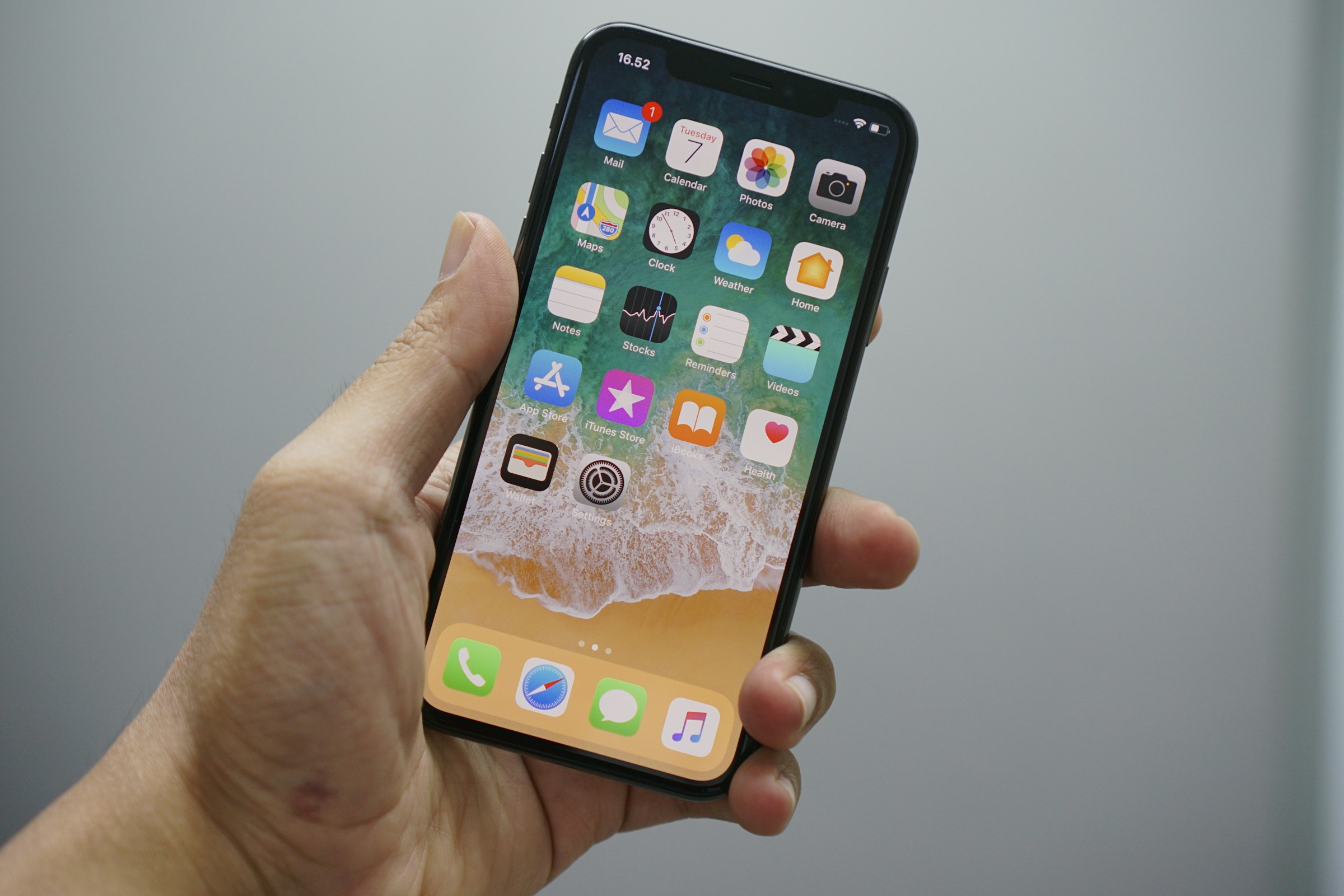
Apple has issued software updates — iOS 18.7.4, iOS 16.7.13, iOS 15.8.6 and iOS 12.5.8 — to fix an Australian emergency-calling issue affecting iPhone 12 and earlier models and a range of Apple Watch models that could fail to connect to alternate networks when primary networks were unavailable. Apple stated that Australian mobile operators are improving emergency-calling support and that these updates aim to prevent future occurrences; the remediation reduces operational and reputational risk but has minimal direct market impact, while highlighting ongoing legacy-device support exposure.
Market structure: The fix stabilizes Apple’s service reliability in Australia and limits reputational damage, so winners are Apple (AAPL) and Australian mobile operators (e.g., TLS.AX, SINGTEL) who avoid regulatory blowback; losers are reputational-risk hedges and small aftermarket repair players. Competitive dynamics unchanged for smartphone unit demand and pricing power—no material market-share shift versus Samsung/Google—but short-term trust metrics matter for used-phone churn over the next 3–6 months. Cross-asset: expect a muted AAPL equity reaction, a possible 10–20% intraday bump in near-term AAPL option IV around patch announcements, AUD moves <0.5%, and sovereign/credit spreads unaffected.
Risk assessment: Tail risks include a formal Australian regulator inquiry or class-action producing fines/settlements in the low hundreds of millions AUD (high-impact, low-probability) which would be <1% of AAPL market cap but could lift legal/SG&A guidance for 1–2 quarters. Immediate (days) risk is media-driven volatility; short-term (weeks) is update adoption rate among legacy devices; long-term (quarters) is modest incremental support cost and tighter carrier SLAs. Hidden dependencies: carriers’ network routing fixes and user update rates drive real-world impact; catalyst set includes ACMA/ACCC notices and handset telemetry showing failed call rates.
Trade implications: Direct: modest overweight AAPL (2–3% portfolio) as a defensive technology exposure with 3–6 month horizon; if AAPL IV >15% above its 30-day mean, implement a 30–45 day iron condor 5–8% OTM to sell volatility. Relative value: pair long AAPL vs short smaller handset OEMs (e.g., NOK) is attractive if headlines widen trust gap; size 1–2% net delta, horizon 1–3 months. Timing: buy on pullbacks >3% within 5 trading days, add on >7% drop in 30 days.
AI-powered research, real-time alerts, and portfolio analytics for institutional investors.
Request DemoOverall Sentiment
neutral
Sentiment Score
0.05
Ticker Sentiment
Contrarian angles: The market will likely under-price regulatory follow-through; a formal inquiry would increase legal provisioning but historically (Maps/antenna events) Apple’s revenue trajectory resumed within 2–4 quarters, so any dip is a buying opportunity. Consensus underestimates update-adoption inertia among older devices—if <50% install patches in 30 days, reputational friction persists and short-term IV stays elevated. Unintended consequence: carriers could seek new routing liability terms, creating incremental contractual costs to Apple over 1–2 years.
