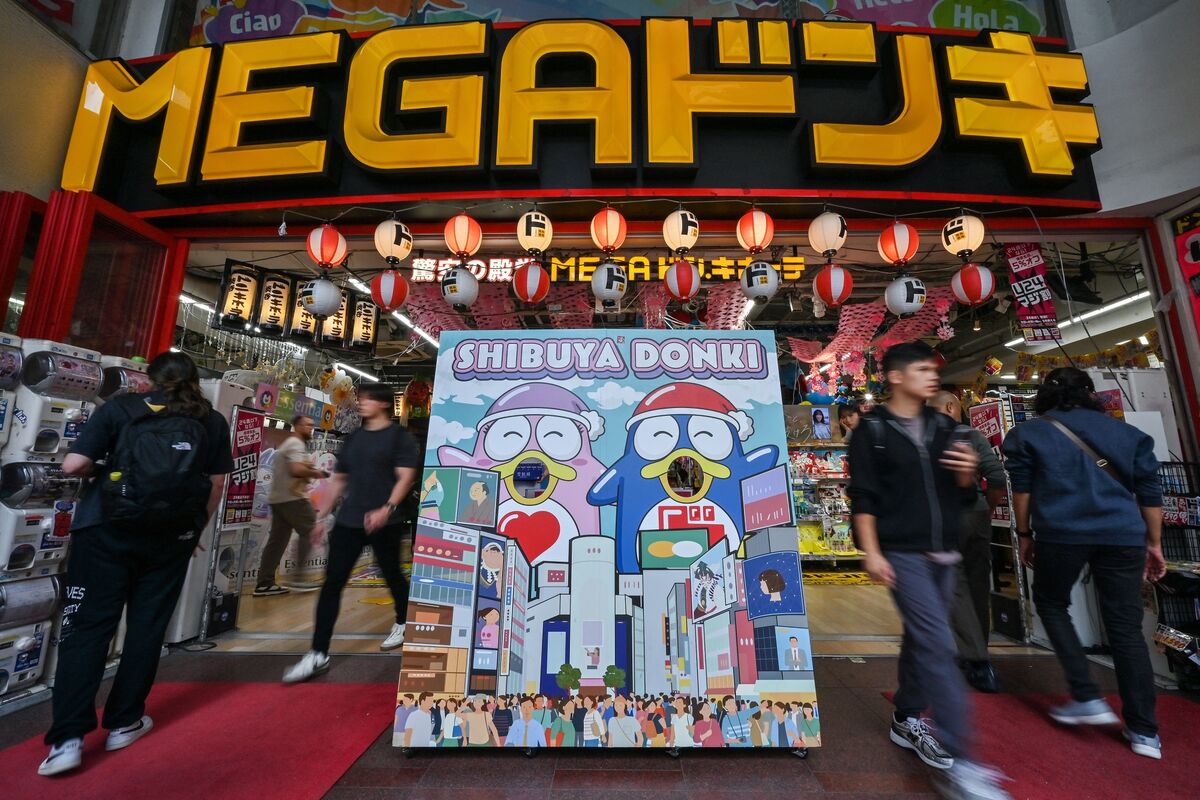
Japan's Pan Pacific International Holdings Corp., operator of Donki stores, plans to open 250 new locations by 2035, strategically betting on sustained foreign tourism growth to drive tax-free visitor sales along key travel routes. This significant expansion underscores the company's long-term confidence in Japan's tourism sector recovery and its potential for continued growth.
Pan Pacific International Holdings Corp., the operator of Japan's Donki stores, has unveiled a significant long-term growth strategy centered on the country's resurgent tourism sector. The company announced plans to open 250 new stores by the year 2035, a substantial expansion explicitly designed to capitalize on surging foreign tourism. According to its recent earnings presentation, the strategic focus is twofold: maximizing tax-free sales to international visitors and situating new locations along key tourist travel routes. This forward-looking plan signals strong management confidence in the durability of Japan's tourism recovery and its continued growth potential. The optimistic tone and strongly positive sentiment score (0.75) underscore that this is a clear, aggressive bet on a specific secular trend rather than a general economic outlook.
AI-powered research, real-time alerts, and portfolio analytics for institutional investors.
Request DemoOverall Sentiment
strongly positive
Sentiment Score
0.75
