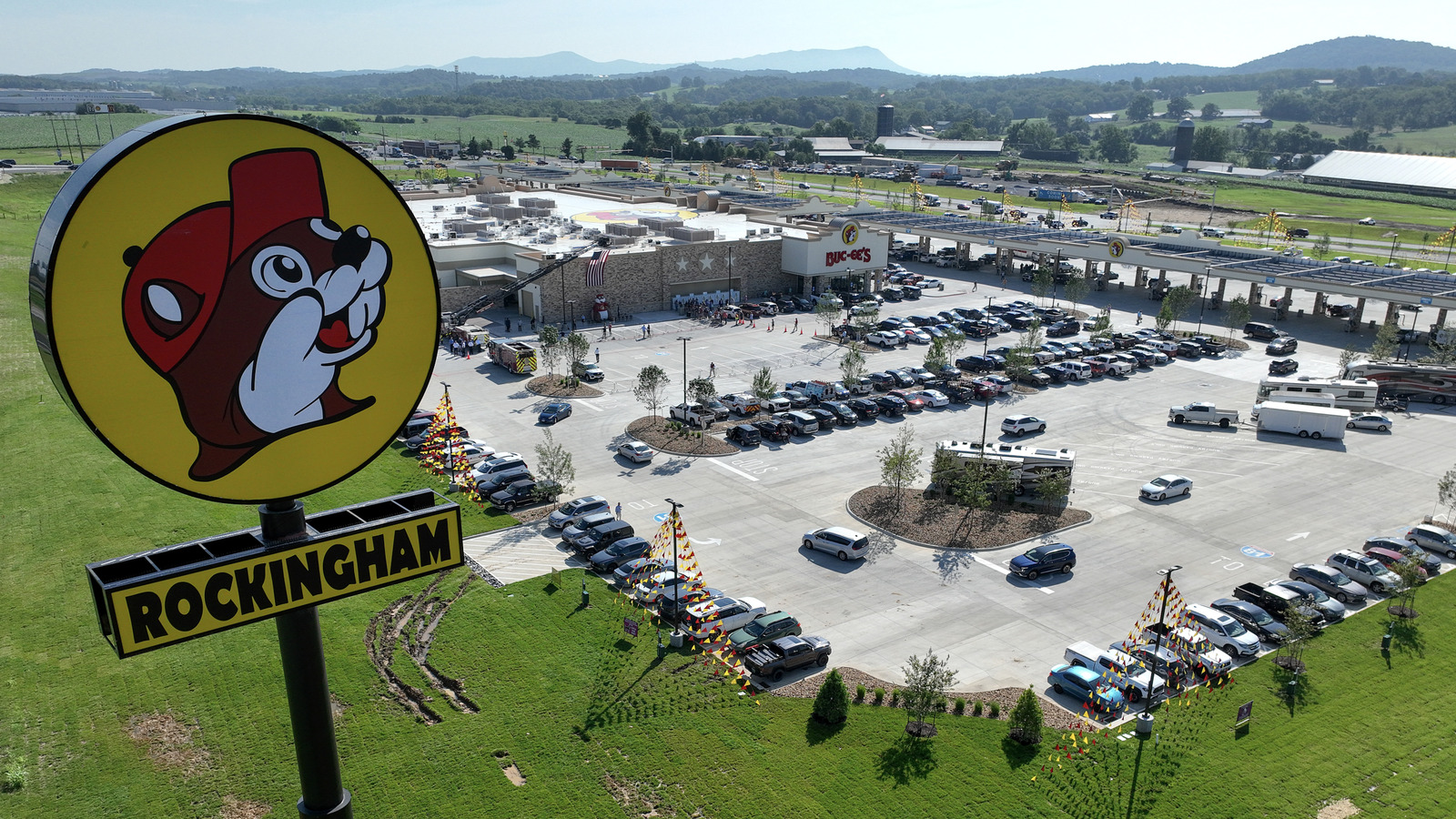
Buc-ee's plans to expand into at least 6 new states over the next two years, with Fox Business citing Arizona, Arkansas, Wisconsin, Louisiana, Kansas, and North Carolina, while Ohio may also be included. The expansion should support store growth, local job creation of more than 200 full-time positions per location, and incremental traffic for nearby small-town economies. The article is primarily a brand and expansion update, so the likely market impact is limited.
The real economic signal is not the brand halo; it’s the repeatable traffic-density effect. A Buc-ee’s location acts like a micro-destination, pulling discretionary spend off interstates and redirecting it into a high-margin retail basket, which helps nearby land values, fuel volumes, and quick-service food demand but can cannibalize weaker roadside operators within a 10-20 mile radius. The second-order winner is the regional real-estate and utility stack: once a site is chosen, ancillary development tends to follow within 12-24 months, and municipalities often overestimate tax upside while underpricing infrastructure and traffic-management costs.
For public comps, the more interesting exposure is not gas stations but the adjacent ecosystem: truck-stop peers, convenience retailers, and last-mile logistics firms that depend on highway stop patterns. Buc-ee’s expansion can compress volumes for smaller independents and lower-end travel centers, especially in growth corridors where stopping power becomes more concentrated; the moat is brand-plus-execution, not merely size. That creates a winner-take-some dynamic where the best-capitalized operators can sustain labor-heavy cleanliness and assortment economics, while subscale competitors face margin erosion.
The contrarian angle is that the market may be overrating the permanence of the travel-center premium. These stores work best when highway traffic growth, leisure travel, and household fuel spend are all supportive; a 3-5% slowdown in discretionary road-trip activity or a spike in wage/fuel costs could quickly pressure unit economics because the model is labor-intensive and site-specific. The expansion story is bullish over a 12-24 month horizon, but the durability of returns depends on whether new markets replicate Texas-style destination behavior or merely add expensive bricks-and-mortar in already competitive corridors.
Net: this reads more like a local-economy and consumer-discretionary microtheme than a broad macro catalyst, but it is a clean tell for durable roadside spend and a subtle warning to weaker travel-retail names.
AI-powered research, real-time alerts, and portfolio analytics for institutional investors.
Request DemoOverall Sentiment
mildly positive
Sentiment Score
0.35
