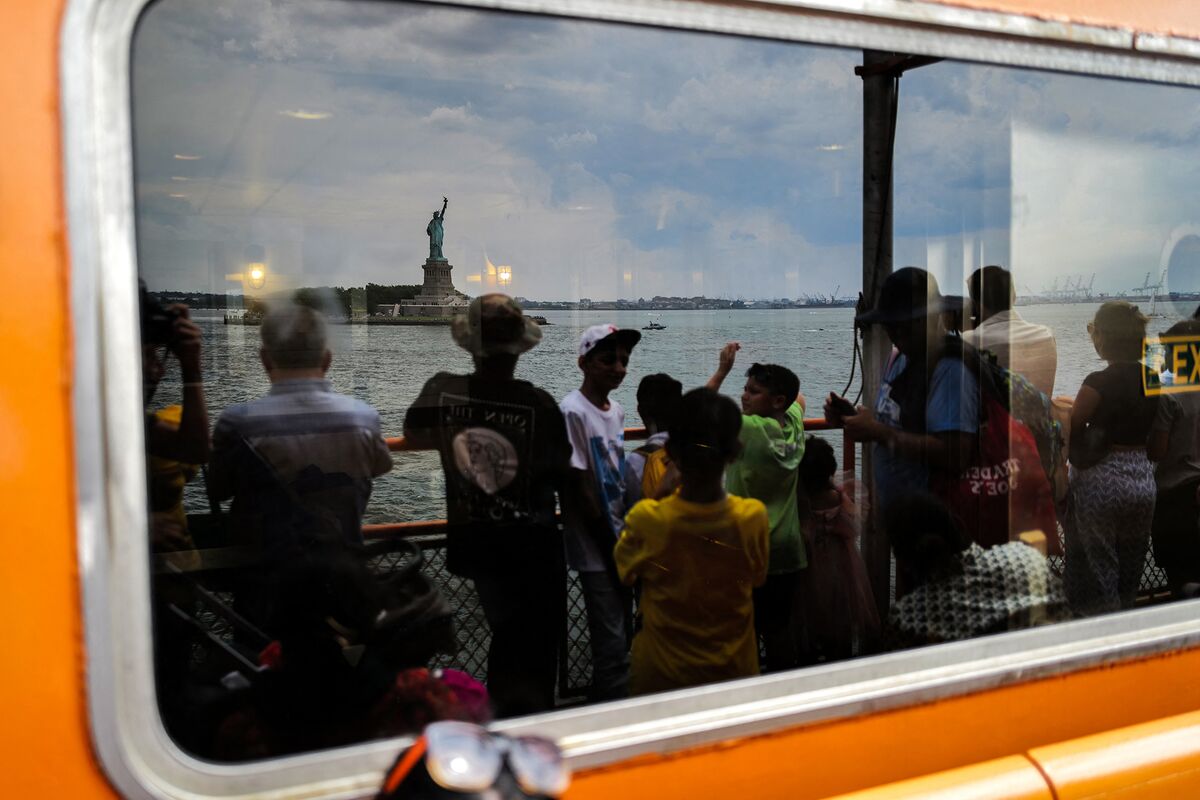
President Trump's "America First" policies, including tariff wars and travel restrictions, have deterred international tourists, potentially costing the U.S. travel industry billions of dollars, according to The Big Take podcast.
An analysis from The Big Take podcast indicates that President Trump's 'America First' policies are creating a significant headwind for the U.S. travel and leisure industry. Specific government actions, including global tariff wars, multi-country travel bans, and enhanced border enforcement like detentions and phone-seizures, are cited as key deterrents for international tourists. The cumulative effect of these policies is a projected financial loss amounting to billions of dollars for the U.S. travel sector. This highlights a direct correlation between protectionist political rhetoric and tangible economic consequences, with the strongly negative sentiment (-0.65) underscoring the severity of the perceived risk to an industry dependent on global travel flows.
AI-powered research, real-time alerts, and portfolio analytics for institutional investors.
Request DemoOverall Sentiment
strongly negative
Sentiment Score
-0.65
