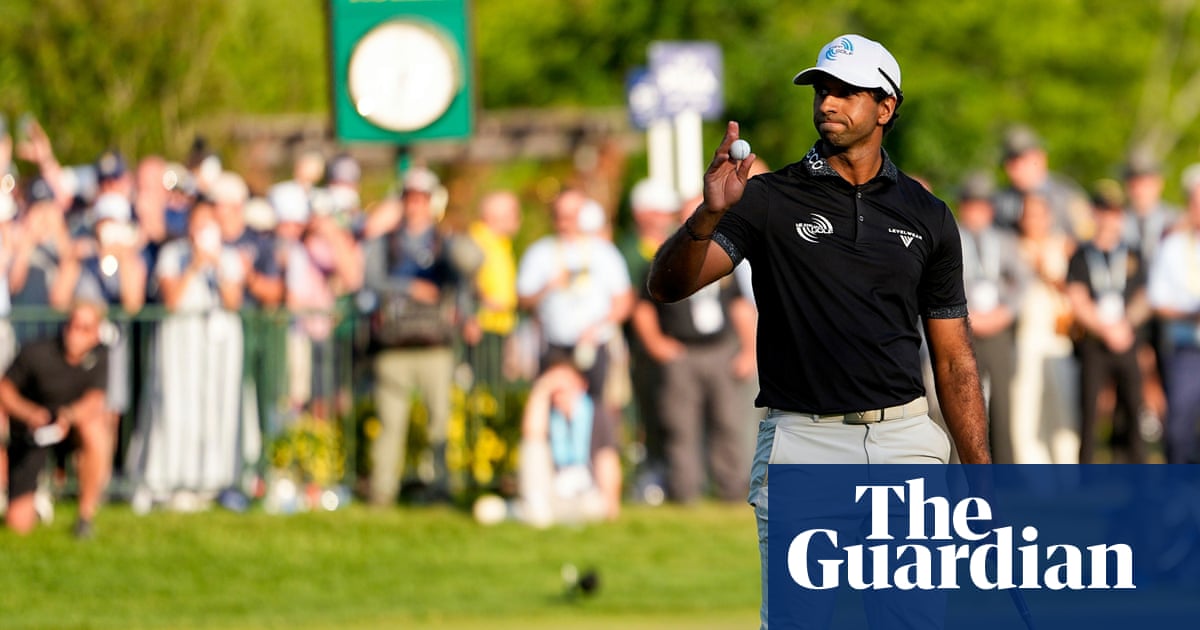
Aaron Rai won the PGA Championship by 3 shots at Aronimink, finishing at 7-under after a final-round 65 that included an eagle and six birdies. The victory ended a 107-year drought for English winners of the PGA Championship, with Rai holding off Jon Rahm and Alex Smalley, who tied for second at 6-under. The article is sports-focused and has minimal direct market impact.
This is a textbook volatility story for the leisure/exposure complex: when a marquee sporting event becomes a knife-fight leaderboard, the economic value shifts away from only the winner and toward the entire ecosystem that monetizes eyeballs. That tends to benefit broadcasters, sportsbooks, hospitality, and premium travel demand more than the player winner itself, because the monetization comes from engagement duration, not just the final score. The key second-order effect is that a difficult, highly contested final round increases highlight density and social sharing, which can lift ad yield and same-game betting handle over a 24-72 hour window.
For travel and leisure, the more important signal is that elite-event scarcity is still pricing power. Fans will pay up for proximity to uncertainty: premium ticketing, VIP packages, resort stays, and golf-adjacent experiences all gain from the perception that live sports are one of the last “must-watch” products. That supports higher average spend per visitor at golf destinations and reinforces the broad thesis that affluent leisure demand is resilient even when general consumer spending is mixed.
The contrarian view is that the winner’s nationality is emotionally significant but economically thin unless it translates into a broader participation and sponsorship pipeline. The more durable impact is likely on golf course operators, apparel, equipment, and travel brands that can attach to the surge in attention within the next 1-2 quarters. If this event converts casual viewers into trip bookings or club fittings, the read-through is better for experience-led names than for traditional media alone.
Tail risk is that a tough course and crowded leaderboard can fatigue casual viewers if sustained too long; that would compress engagement after the first 48 hours. But the base case is that scarcity of compelling live sports remains a pricing tailwind for all premium leisure assets, especially into the next major cycle and the 2025 booking window.
AI-powered research, real-time alerts, and portfolio analytics for institutional investors.
Request DemoOverall Sentiment
mildly positive
Sentiment Score
0.20
