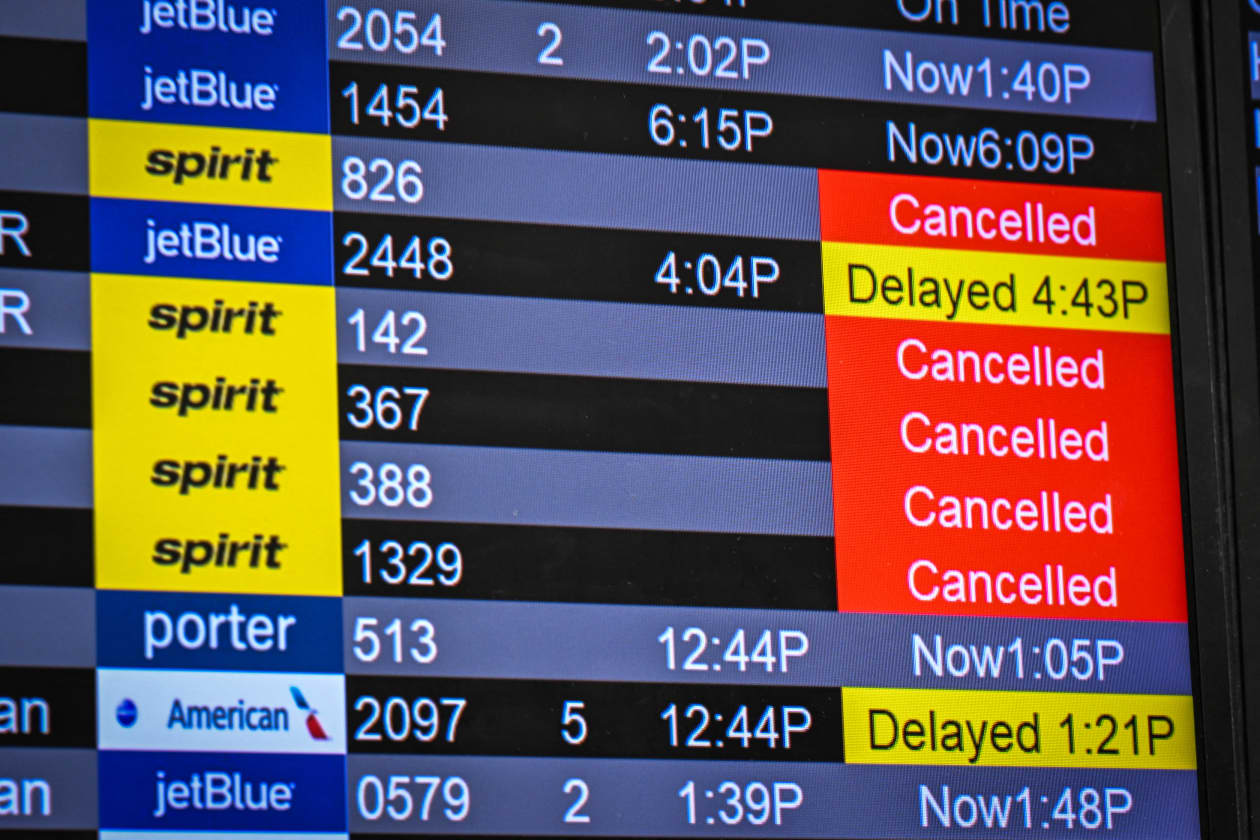
Spirit Airlines' collapse has left frequent flyers' loyalty points potentially worthless, underscoring the risk of holding rewards too long. The piece suggests some other airlines may match or honor rewards, but the core message is a cautionary tale about airline loyalty programs rather than a market-moving development. Overall impact appears limited and mostly relevant to travelers and airline reward holders.
This is less about one airline and more about a repricing of trust in travel loyalty ecosystems. When a carrier exits, points stop behaving like a deferred liability and start behaving like unsecured fan-chit — which should modestly improve the economics of the surviving majors by making their programs look safer, more transferable, and more valuable at the margin. The second-order winner is any network carrier with a broad domestic footprint and partner-based redemption structure, because distressed customers tend to migrate toward perceived permanence, not just the highest nominal earn rate. The near-term risk is that this becomes a broader consumer-behavior story if leisure demand softens further: travelers may shift from airline-specific accumulation to discount-first booking, reducing loyalty lock-in and pressuring ancillary revenue. That would hurt ultra-low-cost carriers most, but also compress premium pricing power if customers conclude loyalty is unreliable across the sector. Over a 3-6 month horizon, the key catalyst is how aggressively rival airlines court defectors with status matches and point conversions; if the majors act fast, they can convert a one-time brand shock into sticky share gains. The contrarian view is that the market may be underestimating how little this matters for the large incumbents in absolute dollars: most consumers do not optimize rewards with discipline, so the competitive benefit may be more reputational than financial. But reputational gains can still matter in a category with high switching frequency and low product differentiation. The bigger medium-term effect is discipline: companies with weaker balance sheets will need to fund loyalty promises more conservatively, which can dilute marketing ROI and favor firms with stronger liquidity and larger ecosystems.
AI-powered research, real-time alerts, and portfolio analytics for institutional investors.
Overall Sentiment
moderately negative
Sentiment Score
-0.45
