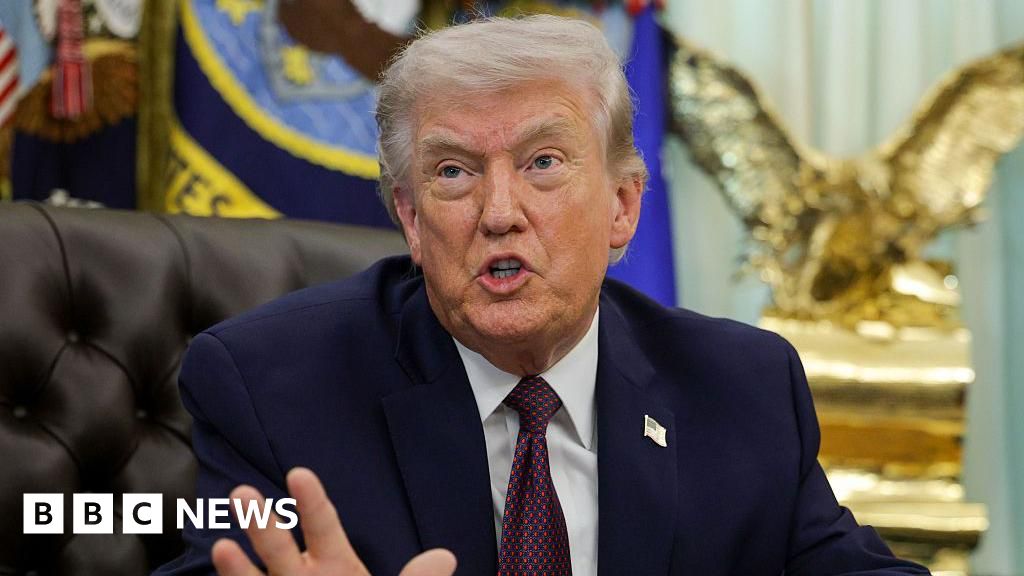
Two to three weeks: President Trump said US military action in Iran could conclude within "two or three weeks," claiming Iran has been set back "15-20 years" in its military/nuclear capabilities. Despite that timeline, strikes continued regionally — US precision strikes on underground targets, Israeli strikes in Iran and Lebanon, drone interceptions and a tanker hit off Qatar — and Iran says it would need guarantees to end the conflict. Implication for portfolios: materially elevated geopolitical risk is likely to drive risk-off flows, increase energy-price volatility and benefit defense and safe-haven assets, with potential market-wide effects if Gulf shipping or oil supply are further disrupted.
The administration’s public timeline functions as a de-risking signal to markets rather than a binding operational constraint; expect short-lived compression in risk premia followed by a two-way trading regime where headlines drive intraday moves. Militarily-driven attrition of precision muidtions, drones and long-lead repair parts creates a predictable procurement cycle: a near-term spike in demand for guided munitions and sustainment services over 3–12 months, then a multi-year follow-through as inventories are replenished and platforms are modernized.
Energy and logistics will feel asymmetric second-order pressure: elevated insurance and rerouting costs act like an incremental $2–5/bbl supply shock by raising delivered cost curves and reducing effective tanker capacity, increasing backwardation risk in oil and tightness in regional refined product markets over the next 30–90 days. Natural gas and LNG flows are chokepoint-sensitive — a few targeted incidents could shift seasonal arbitrage economics and prompt faster drawdowns from OECD inventories, amplifying volatility into the northern-hemisphere summer.
Market structure implications: risk-off positioning favours cash-generative defensives and idiosyncratic shorts in names exposed to routing/insurance and leisure travel; the “end soon” narrative is a false floor — a breakdown in talks or miscalculation would reprice risk sharply within 48–96 hours. Key reversers are durable deconfliction mechanisms or supply-restoration announcements; the persistent tail risk is broader regional mobilization or comprehensive secondary sanctions that would re-route trade for years rather than weeks.
AI-powered research, real-time alerts, and portfolio analytics for institutional investors.
Request DemoOverall Sentiment
strongly negative
Sentiment Score
-0.70
