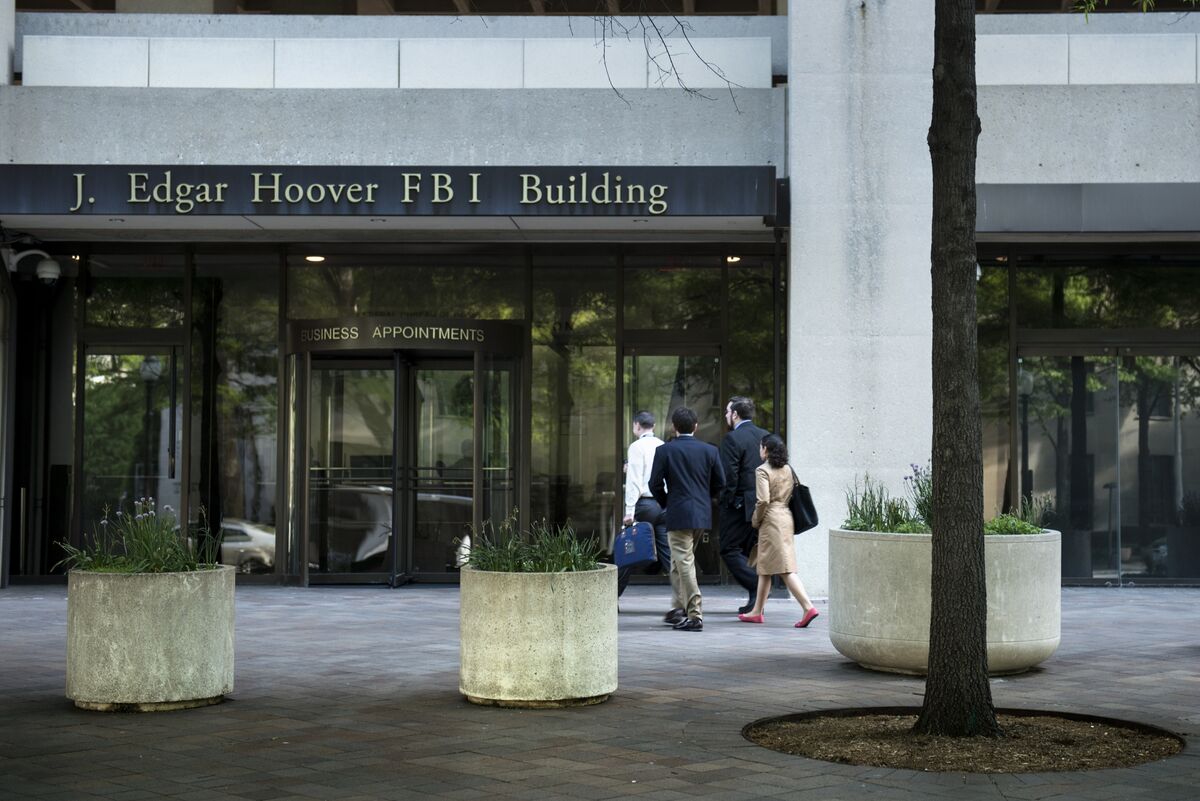
Several Democratic lawmakers who are military and intelligence veterans and who publicly urged the intelligence community and service members to refuse unlawful orders say they have been targeted by an FBI inquiry after President Trump urged they be tried for sedition. The lawmakers report learning of the probe via requests for interviews routed through Capitol law enforcement; the FBI declined to comment. The development is a politically charged legal escalation but contains no direct economic or market data and is unlikely to materially affect financial markets.
Market-structure: Political-legal escalation increases risk-premia for national security and law-enforcement exposures while depressing cyclicals tied to consumer confidence. Near-term winners are large defense primes (LMT, NOC, RTX) and cybersecurity (PANW, FTNT) where incremental government contracting and emergency spend lift revenue visibility by +1–3% yoy in stressed months; losers are small-cap consumer discretionary and leisure names sensitive to headline-driven demand shocks.
Risk assessment: Tail risks include broader civil unrest or politicized prosecutions that spark a sustained risk-off (S&P -5% to -15% within 30 days) or a domestic policy reaction that actually tightens budgets (risk to defense if appropriations stall). Immediate (days): headline-driven VIX spikes; short-term (weeks–months): Congressional maneuvering/appropriations uncertainty; long-term (quarters): changes to defense procurement cadence or oversight. Hidden dependency: defense upside depends on bipartisan budget passage — paralysis could flip winners to losers.
Trade implications: Implement small, tactical hedges and relative-value positions rather than large directional bets. Favor 1–3% tactical long exposure to defense primes and cybersecurity while buying short-dated volatility protection (VIX call spread) and using pair trades (defense long vs cyclical industrial short) to isolate political-premia capture; set tight stops and 3–9 month targets. Entry triggers: sustained 48h increase in negative headlines or S&P drop >2%; unwind on 8–12% realized gains or resolution within 90 days.
Contrarian angles: Consensus will likely overweight safety and defensive longs; that may be overdone if investigations don’t escalate — defense names can give back 5–10% on budget stall news. Historical parallels (post-investigation headline cycles 2017–2019) show VIX mean-reverts in 2–6 weeks; therefore prefer short-duration volatility plays and avoid levering long-term policy bets until 30–90 day appropriations clarity.
AI-powered research, real-time alerts, and portfolio analytics for institutional investors.
Request DemoOverall Sentiment
neutral
Sentiment Score
0.00
