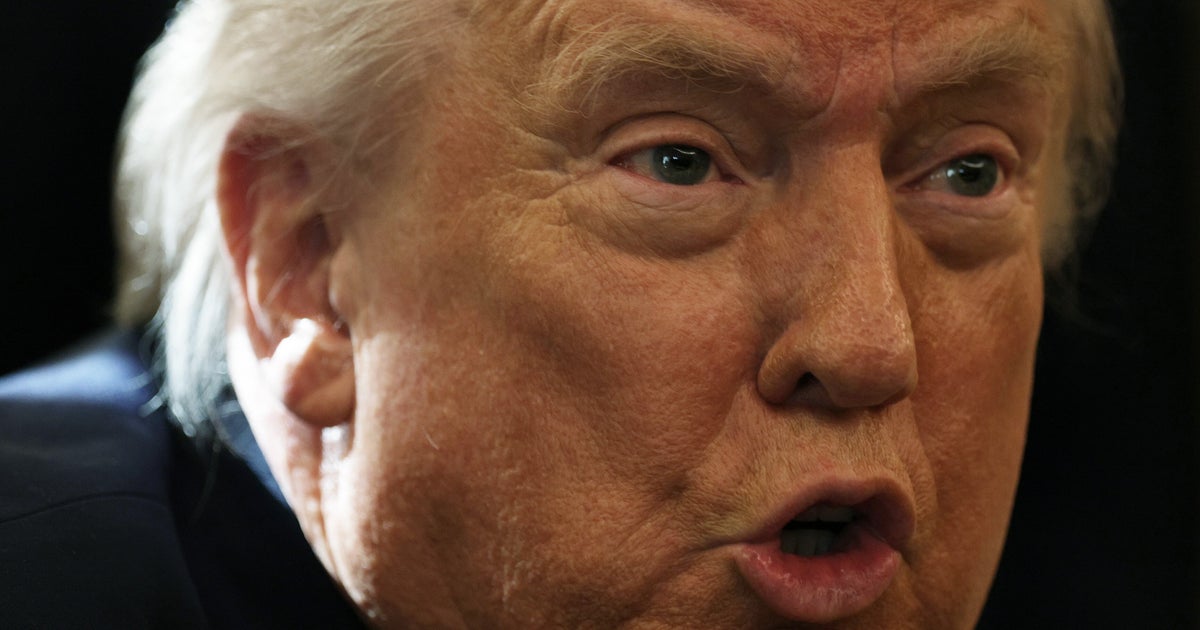
Russian forces launched 111 long-range drones and one ballistic missile on Friday, causing civilian casualties in Kherson (one bus driver killed, five injured) and damaging civilian production warehouses in the Kharkiv region, including facilities of U.S. tobacco firm Philip Morris. The strikes came hours after President Trump claimed he had persuaded Vladimir Putin to refrain from attacks during cold weather, a claim contradicted by continued attacks and mixed accounts from Kyiv and the Kremlin about a limited non‑strike understanding reached in Abu Dhabi. The episode reinforces ongoing geopolitical tail risks, potential disruptions to energy-related infrastructure and supply chains, and the political uncertainty surrounding U.S. policy toward Ukraine—factors likely to sustain risk-off market behavior and pressure defense and energy sector volatility.
Market structure: Renewed large-scale strikes increase near-term winners (US/EU defense contractors, energy producers, commodities like oil/gas and gold) and hurt Ukrainian civilian infrastructure, regional logistics, and any corporates with Ukraine warehousing (e.g., PM). Expect higher pricing power for Western defense OEMs and energy exporters for 1–12 months as buyers front-load inventories; risk-off flows should bid USD and Treasuries (lower yields) while widening EM/European credit spreads and lifting oil + NatGas. Volatility will compress risk-appetite in equities, widen index option skews, and lift commodity implied vols.
Risk assessment: Tail risks include escalation to strikes on NATO-adjacent assets or broader sanctions on Russian energy, which could push Brent > $100 in 30–90 days and create severe supply shocks; cyber or supply-chain disruptions to EU manufacturing are 1–5% GDP-risk scenarios for impacted regions. Immediate window (days) = volatility and FX swings; short-term (weeks–months) = re-pricing of defense capex and energy contracts; long-term (quarters–years) = structural EU energy diversification and persistent defense spend. Hidden dependencies: US political posture (aid/exports) and winter weather; catalysts include sanction rounds, major European defense procurement announcements, or escalation events.
Trade implications: Implement concentrated, sized trades: go long prime defense (RTX, LMT) and energy producers (XOM, CVX) while hedging with short-dated protective options; short selected European travel/cargo operators and EM names with Ukraine exposure. Options: buy 3-month call spreads on RTX/LMT sized 1–2% AUM to capture re-rating and buy 1–2% notional Brent call calendar to express commodity tail-risk. Rotate out of high-beta European cyclical names into US defensives and commodities over next 2–8 weeks, increase cash/hedge if Brent > $90 or VIX > 28.
Contrarian angles: The market may over-penalize PM (PM) for localized warehousing damage — tobacco cashflows are resilient and any operational hit is likely <5% revenue for most multi-nationals; a tactical buy-the-dip could work if downside is mostly short-term logistics (look for insurance claim timelines in 30–90 days). Conversely, defense winners are already partly priced; avoid full conviction buys without 3–6 month confirmation of repeated procurement uplifts. Historical parallels (post-2014 Crimea) showed 6–18 month defense re-ratings followed by mean reversion once procurement calendars normalized.
AI-powered research, real-time alerts, and portfolio analytics for institutional investors.
Request DemoOverall Sentiment
strongly negative
Sentiment Score
-0.70
Ticker Sentiment
