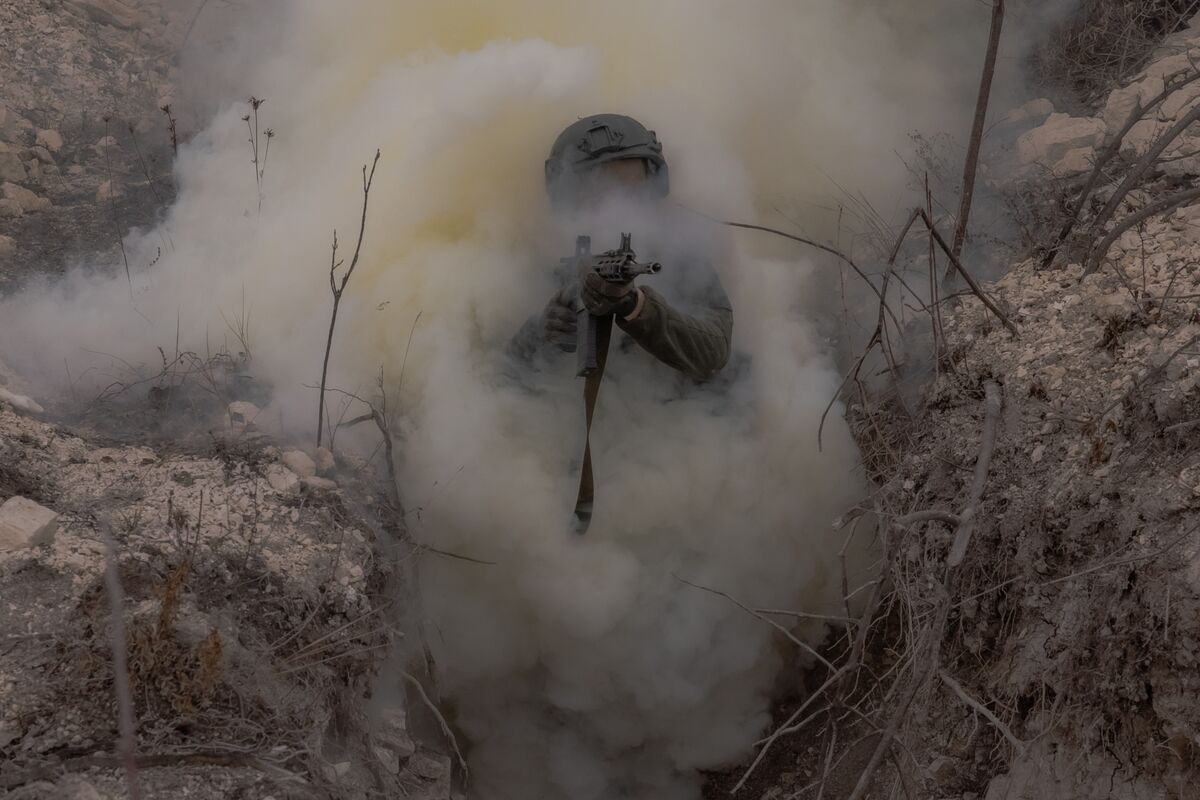
British intelligence estimates over 6,000 North Korean soldiers have been injured or killed in Russia's Kursk region while supporting Moscow's war in Ukraine, representing over half of the 11,000 troops initially deployed. The UK Defence Ministry attributes these high casualty rates to large, attritional assaults, highlighting Kim Jong Un's continued support for Putin.
UK intelligence estimates indicate that over 6,000 North Korean soldiers, representing more than half of the 11,000 troops initially deployed, have been either killed or injured while fighting for Russia in its Kursk region against Ukraine. The UK Defence Ministry attributes these significant casualty rates primarily to 'large, highly attritional dismounted assaults,' underscoring the intense nature of the combat operations involving these DPRK forces. This development, occurring in a war now in its fourth year, highlights North Korean leader Kim Jong Un's substantial and ongoing military commitment to President Vladimir Putin, solidifying the perception of a deepening alliance. While the provided signals indicate a neutral sentiment and a low immediate market impact score of 0.1 for this specific report, the sustained involvement and high casualty rates point to a protracted conflict with significant human and material costs, reinforcing the geopolitical themes of ongoing war, potential for expanded sanctions, and continued relevance of the defense sector.
AI-powered research, real-time alerts, and portfolio analytics for institutional investors.
Request DemoOverall Sentiment
neutral
Sentiment Score
0.00
