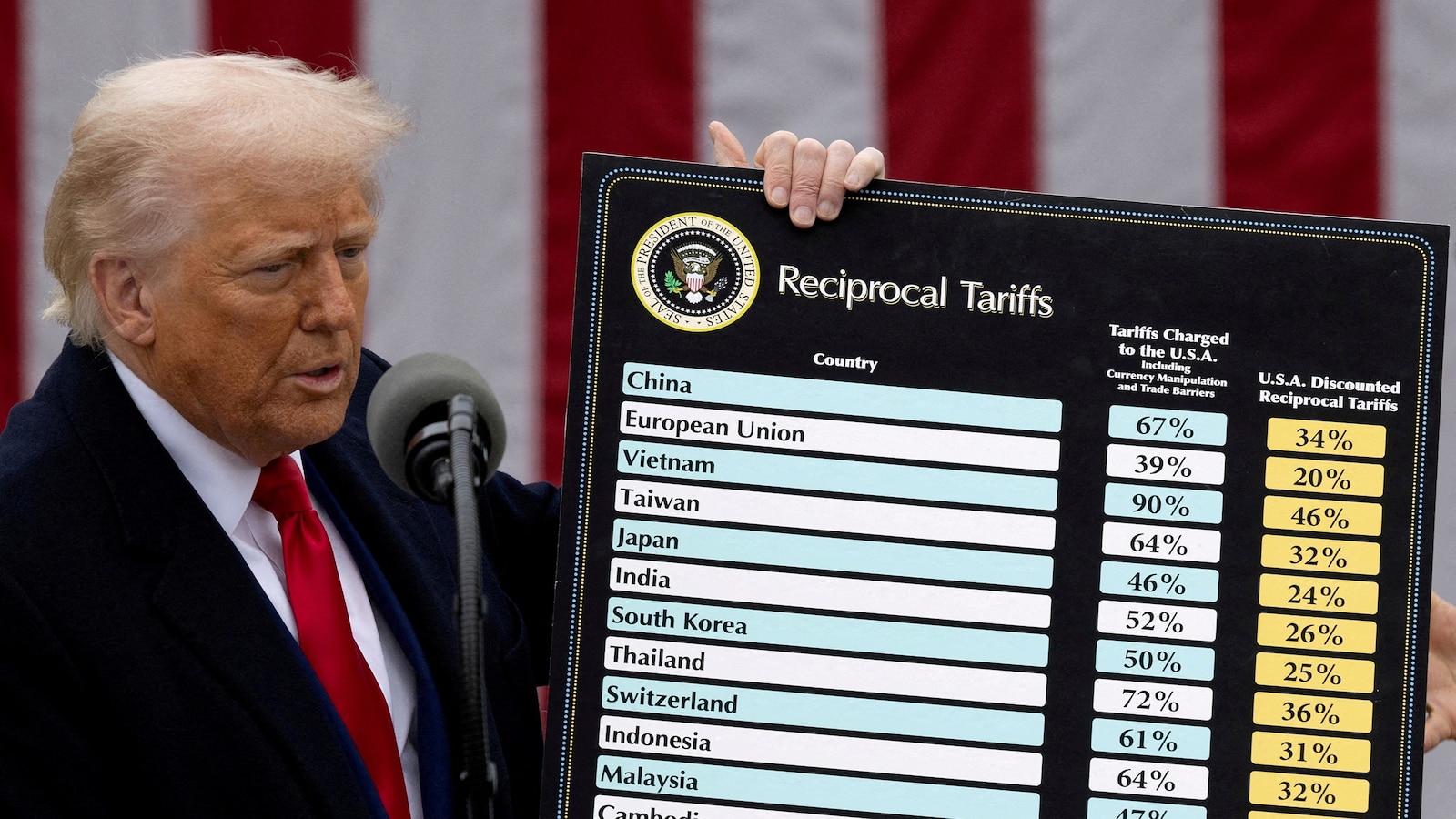
The first wave of refunds for illegal IEEPA tariffs is set to hit some businesses Tuesday, after more than 330,000 importers paid $166 billion in duties. At least 75,000 businesses have applied so far, though about 15% of claims have been rejected for errors or ineligible shipments. Large retailers and shippers could see meaningful cash inflows, including Citi estimates of $10 billion for Walmart, $2 billion for Target, and $1 billion for Nike, but consumers are unlikely to receive direct refunds.
The immediate market implication is not a simple cash inflow story; it is a balance-sheet rotation event. Large retailers and manufacturers that were forced to carry tariff costs have an incentive to use refunds first to repair working capital, then to reset promotional intensity, which means the biggest second-order beneficiary may be consumers via better price competition rather than one-off cash back. That dynamic is asymmetric across the named names. Big-box retailers with scale and vendor leverage are better positioned to translate refunds into margin defense or share gains, while apparel and discretionary brands are more likely to use the cash to offset prior margin compression without much visible top-line benefit. The clearest hidden winner is logistics: direct tariff reimbursements to carriers reduce customer friction and may improve retained volume, but they also remove a reason for shippers to delay or reroute activity, which could normalize freight mix faster than expected. The main contrarian risk is that the market may overestimate the speed and visibility of price relief. Refund processing, legal eligibility, and internal allocation decisions can push real economic impact into multiple quarters, so near-term earnings revisions may lag the headline by 1-2 reporting cycles. If management teams opt for debt reduction or buybacks instead of price cuts, the consumer-demand uplift will be muted and the trade becomes more about capital structure than revenue acceleration. Watch for follow-through in inventory ordering and promotional cadence rather than the refund announcement itself. If retailers use the windfall to rebuild stock ahead of peak demand, suppliers and logistics networks could see a short-lived restocking tailwind, but that also raises the probability of a later margin reset if price competition intensifies into the holiday season.
AI-powered research, real-time alerts, and portfolio analytics for institutional investors.
Overall Sentiment
neutral
Sentiment Score
0.10
Ticker Sentiment
