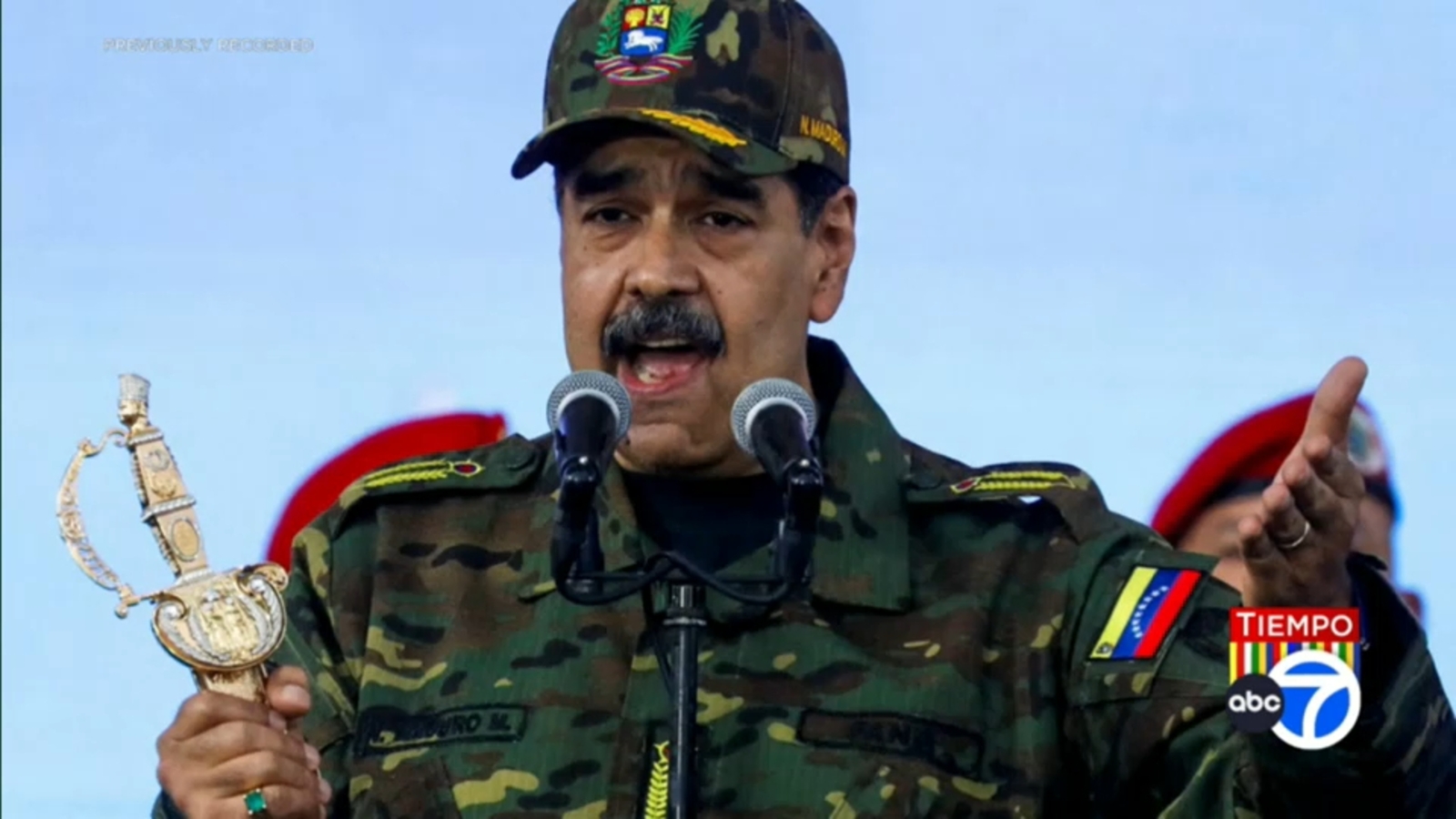
The U.S. has launched Operation Southern Spear—a major military campaign targeting drug trafficking networks—and initiated a naval mission to intercept tankers carrying Venezuelan oil, actions that have escalated tensions with Venezuela. The report notes over 6.8 million Venezuelans have fled since 2014 and records heightened anxiety among the diaspora; the episode was recorded prior to the subsequent U.S. capture of ousted Venezuelan President Nicolás Maduro. These developments raise near-term geopolitical risk to Venezuelan oil exports and could tighten perceptions of supply security in regional energy markets, warranting monitoring by investors with exposure to oil, regional emerging-market assets, and defense-related sectors.
Market structure: Escalation around Venezuelan oil and naval interdictions raises a near-term oil supply-risk premium: Venezuela exported roughly 0.4–0.6 mbpd recently, and removal of even 0.2–0.4 mbpd via interdiction or sanctions could lift Brent $2–6/bbl in weeks. Winners: US onshore E&P (better realized prices), majors with light/sweet exposure (XOM, CVX) and defense primes (LMT, NOC, GD). Losers: refiners relying on Venezuelan heavy sour blends (some PBF/VLO configurations), tanker owners with Venezuelan routes, EM sovereign/debt (Latin FX, sovereign CDS widen) and reinsurance/shipping insurers facing higher premiums.
Risk assessment: Tail risks include kinetic escalation around maritime assets or cyberattacks on regional hubs, which could spike oil >$10/bbl and widen EM credit spreads 100–300bps; sovereign sanctions spillover to counterparties is a plausible operational risk. Immediate (days): oil and shipping insurance vol rises; short-term (weeks–months): cargo re-routing, refinery feedstock rebalances; long-term (quarters): OPEC+ could backfill 200–500 kbpd, normalizing prices. Hidden dependency: many US Gulf refiners can pivot to alternative heavy crudes but incur margin shocks for 2–8 weeks; catalyst watchlist: EIA/API inventories, OPEC+ meetings, US sanction announcements within 7–30 days.
Trade implications: Tactical trades: buy short-dated Brent call spreads or BNO call exposure to capture a $2–6/bbl move over 2–8 weeks; establish 1–2% long positions in LMT/NOC (3–9 month horizon) to capture defense rerating. Relative-value: pair long XOM (1–2%) / short VLO or PBF (0.5–1%) to exploit rising crude vs refining sour-crack compression; consider short tanker names with concentrated Venezuelan voyages (e.g., NAT exposure review) and add 2–3% duration in Treasuries (TLT or futures) as risk-off hedge.
Contrarian angles: Consensus likely overprices Venezuela’s incremental barrels—production has been low and opaque—so a political resolution (weeks–quarters) could produce a quick mean reversion in oil and defense sentiment. If OPEC+ increases output by 300–500 kbpd or buyers shift to discounted Venezuelan barrels to China/India, refiners and some EMs could outperform, creating a short-term opportunity to short oil volatility and long select refiners. Watch for market overreaction: a 10% spike in defense stocks on headlines could reverse if conflict remains limited; trade with tight stops and 20–40% position-size halving rules.
AI-powered research, real-time alerts, and portfolio analytics for institutional investors.
Request DemoOverall Sentiment
moderately negative
Sentiment Score
-0.45
Ticker Sentiment
