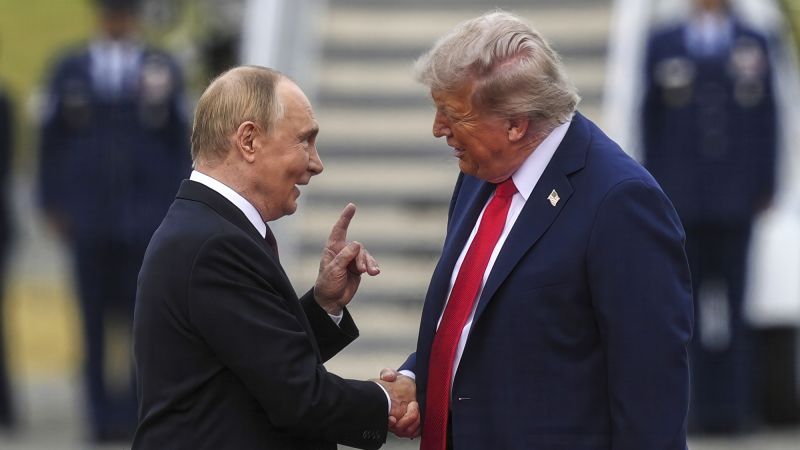
Russia has escalated its military actions in Ukraine with intensified aerial attacks on Kyiv, while simultaneously strengthening its alliances with China and India, which are expected to bolster Moscow's resilience against Western sanctions. Despite potential new "phase two" sanctions under US President Trump, including tariffs and financial restrictions, their ultimate effectiveness is questioned due to Russia's economic adaptability and President Putin's existential commitment to the conflict. This suggests a prolonged geopolitical standoff and limited prospects for a diplomatic resolution, with significant implications for global stability and energy markets.
The geopolitical landscape has deteriorated as Russia escalates its military actions in Ukraine, marked by record drone attacks and strikes on Kyiv's government infrastructure. This aggression is concurrent with a significant strengthening of Moscow's strategic and economic alliances, particularly with China and India. This emerging bloc provides Russia with a crucial buffer against Western pressure, evidenced by reports that India may increase its purchases of Russian oil by 15% to 50%, undermining the impact of existing US tariffs. In response, the US is considering "phase two" sanctions, which could include 500% tariffs on buyers of Russian oil and broader financial restrictions. However, the efficacy of these measures is highly uncertain. The analysis suggests that Russia has proven resilient, had ample time to prepare for further sanctions, and now possesses a support network that mitigates economic shocks. The prevailing view is that President Putin's objectives are existential, making him unlikely to be deterred by economic pressure alone, pointing towards a prolonged and entrenched conflict with a gloomy prognosis for a near-term diplomatic resolution.
AI-powered research, real-time alerts, and portfolio analytics for institutional investors.
Overall Sentiment
strongly negative
Sentiment Score
-0.70
Ticker Sentiment
